castles
The Highland Clearances: the full story and where to go
Exploring Scotland's Highland Clearances: uncovering history and visiting key sites of cultural significance.
By Highland Explorer Editorial, Highland History Expert - - 6 min read
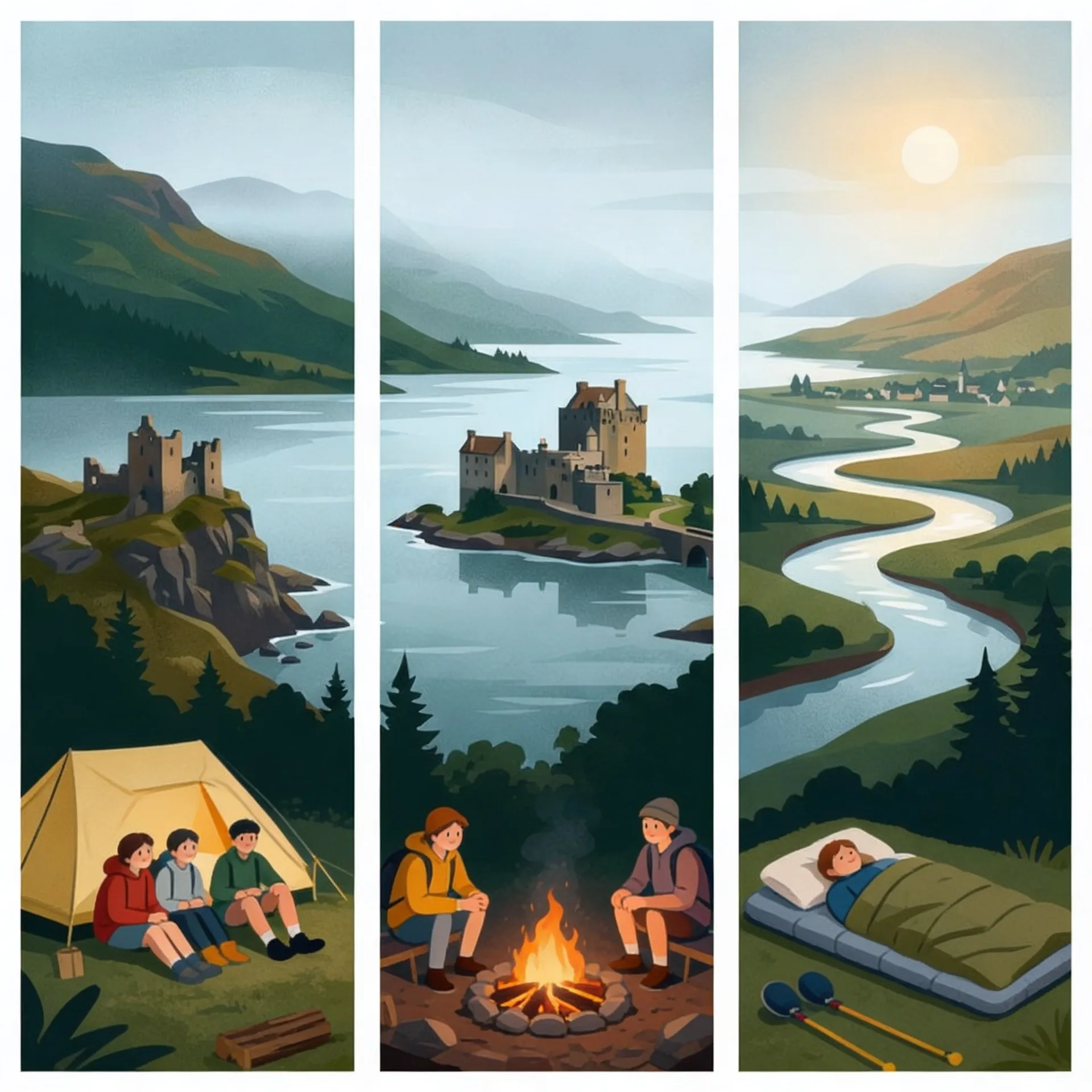
The Highland Clearances remain one of Scotland’s darkest historical episodes: a time of mass evictions, cultural erosion, and forced emigration that reshaped the Highlands forever. Between 1750 and 1860, tens of thousands of Highlanders were cleared from their ancestral homes to make way for sheep farming and other economic interests. The impact on Highland society was profound: clan systems collapsed, Gaelic culture diminished, and many were driven across oceans in search of a better life. Visiting the sites today reveals the haunting legacy of these events, with ruined villages and poignant memorials scattered across the landscape.
This guide explores the full story of the Highland Clearances, disentangling legend from documented history, and provides practical advice for visiting key sites associated with this tragic chapter in Scottish history.
What to Expect
Visitors to Highland Clearances sites can expect a mix of archaeological ruins, museum exhibits, and strikingly empty landscapes. Many cleared villages feature blackhouse remains, lazybeds (historic agricultural ridges), and memorials commemorating those evicted. This stark contrast between the region’s natural beauty and its traumatic past is what makes exploring these sites so compelling.
The atmosphere at these locations is often reflective and quiet, giving visitors space to ponder the stories of those who lived, worked, and were ultimately displaced from these lands. While some museums and centres provide detailed accounts, much of the experience involves simply walking through these abandoned areas, connecting with the history beneath your feet.
History
The Highland Clearances didn’t happen overnight: they unfolded over more than a century, driven by a complex mix of economic, social, and political factors. Below, we delve into the key periods that defined this grim chapter in Scotland’s history.
The Early Roots
The roots of the Clearances stretch back to the early 18th century, when landowners began shifting priorities from subsistence farming to profit-driven “Improvement” strategies. The aftermath of the 1746 Battle of Culloden accelerated these changes, as Highland clans lost their power and landowners sought ways to increase revenue. In regions like Argyll, for example, auctions of tenant farms started as early as the 1710s and 1740s, setting the stage for later evictions.
The First Wave (1760-1825)
The first major phase of the Clearances began in the late 18th century following the Napoleonic Wars. During this period, thousands of Highlanders were relocated from inland glens to coastal areas. Many were encouraged to take up fishing or kelp harvesting, industries that were initially profitable but later collapsed. These moves were often enforced with pressure or outright evictions, leading to insurrections like the 1792 “Year of the Sheep” in Ross-shire. By 1815, landowners had largely replaced traditional tenant farming with large-scale sheep pastoralism.
The Second Wave (1820-1855)
The second wave of Clearances coincided with economic downturns and the devastating Highland Potato Famine (1846-1855). Landowners, struggling with falling kelp and wool prices, intensified evictions and often funded “assisted” emigration programmes to Canada, the United States, and Australia. Notable examples include the Tiree and South Uist clearances, where entire communities were displaced. This period also saw food riots and widespread poverty among those left behind, creating an enduring legacy of suffering.
The Sutherland Clearances
The Sutherland estate clearances (1809-1821) are among the most infamous. Managed by Patrick Sellar and James Loch under the direction of the Countess of Sutherland, these evictions displaced approximately 15,000 people, primarily from Strathnaver. Many homes were burned to prevent tenants from returning, and Sellar faced public outrage for his brutality, including accusations of arson and neglect. His 1816 trial at Inverness Sheriff Court resulted in acquittals, further fuelling animosity toward estate managers and landowners.
Visiting Today
For those interested in exploring the history of the Highland Clearances, several key sites offer insight into this period. Below is a practical guide to help you plan your visit.
Opening Times Most sites are open year-round; museum hours vary seasonally. Tickets Admission fees apply for some museums; outdoor sites are typically free. Parking Available at museums and some trailheads; rural locations may require roadside parking. Accessibility Museums offer wheelchair access; remote ruins may require uneven walks. Time Needed Allow 2-3 hours per site for a thorough visit.Getting There
Most Highland Clearances sites are accessible by car via the North Coast 500 route or other major roads. For public transport, buses serve towns like Bettyhill (home to Strathnaver Museum) and Inverness, where many heritage centres are based. The nearest airports are Inverness and Aberdeen, offering connections to the region.
What Not to Miss
- Strathnaver Museum: Located in Bettyhill, this museum houses key artifacts and documents related to the Sutherland Clearances.
- Badbea Village: A deserted clifftop hamlet that poignantly illustrates the harsh conditions faced by evicted tenants.
- Rogart Ruins: Archaeological remains of a cleared township in Strathnaver.
- Tiree and South Uist: Islands that bore the brunt of second-wave Clearances, with visible lazybeds and memorial cairns.
- Culrain Memorial: A roadside site commemorating those evicted during Sellar’s brutal campaigns.
Key Takeaways
- The Highland Clearances reshaped Scottish society, displacing up to 150,000 people over a century.
- Economic “Improvement” policies drove landowners to replace tenant farmers with sheep farms.
- Mass evictions peaked during the Sutherland Clearances and Highland Potato Famine.
- Key sites today include Strathnaver Museum, Badbea, and Glenelg, offering haunting evidence of cleared villages.
- Assisted emigration spread the Scottish diaspora to North America and Australasia.
- Memorials and ruins reflect the resilience of Highland communities despite immense trauma.
For more on this area, see our guide to Clearances for descendants.
Frequently Asked Questions
What exactly were the Highland Clearances?
The Highland Clearances refer to the mass evictions of tenants from the Scottish Highlands between roughly 1750 and 1860. Landowners sought to replace traditional subsistence farming with more profitable sheep farming, forcibly removing families from their homes. Some were relocated to coastal crofts, while others emigrated abroad. The Clearances devastated Highland society, dismantling the clan system and contributing to the decline of Gaelic culture.
How many people were displaced?
Estimates of those displaced during the Highland Clearances range from 70,000 to 150,000 people, depending on the source. The Sutherland estate alone saw approximately 15,000 evictions. Many emigrated to Canada, the United States, and Australia, creating a global Scottish diaspora. Others remained in coastal areas, often in extreme poverty.
Where can I see evidence of the Clearances?
Evidence of the Highland Clearances can be seen at sites like Strathnaver Museum, Badbea, and Glenelg. These locations feature ruins of cleared villages, including blackhouses, lazybeds, and sheepfolds, as well as memorials and museum exhibits. Estate records and court documents provide further historical context, and many are housed in heritage centres or national archives.
What happened to the people who were cleared?
Those evicted during the Highland Clearances faced varying fates. Some emigrated to North America or Australasia, where they rebuilt their lives in new communities. Others were relocated to coastal areas, taking up fishing or kelp harvesting. Many faced poverty and hardship, particularly during the Highland Potato Famine. The Clearances left a lasting mark on Scotland, both culturally and demographically, and their legacy is still visible today.
For further reading about this dark chapter in Scotland’s history, visit our Highland Clearances overview, explore the Clearances trail driving route, or learn more about Clan Sutherland and the Clearances.
Share this story
Enjoyed this read? Share it with fellow travellers on Facebook, X (Twitter), LinkedIn, or send the link to a friend.