Travel
Explore the Scottish Highlands
Your complete guide to seasons, travel, walks, castles, whisky, wildlife, and more across Scotland's wild north
By Highland Explorer Team, Editorial - - 10 min read
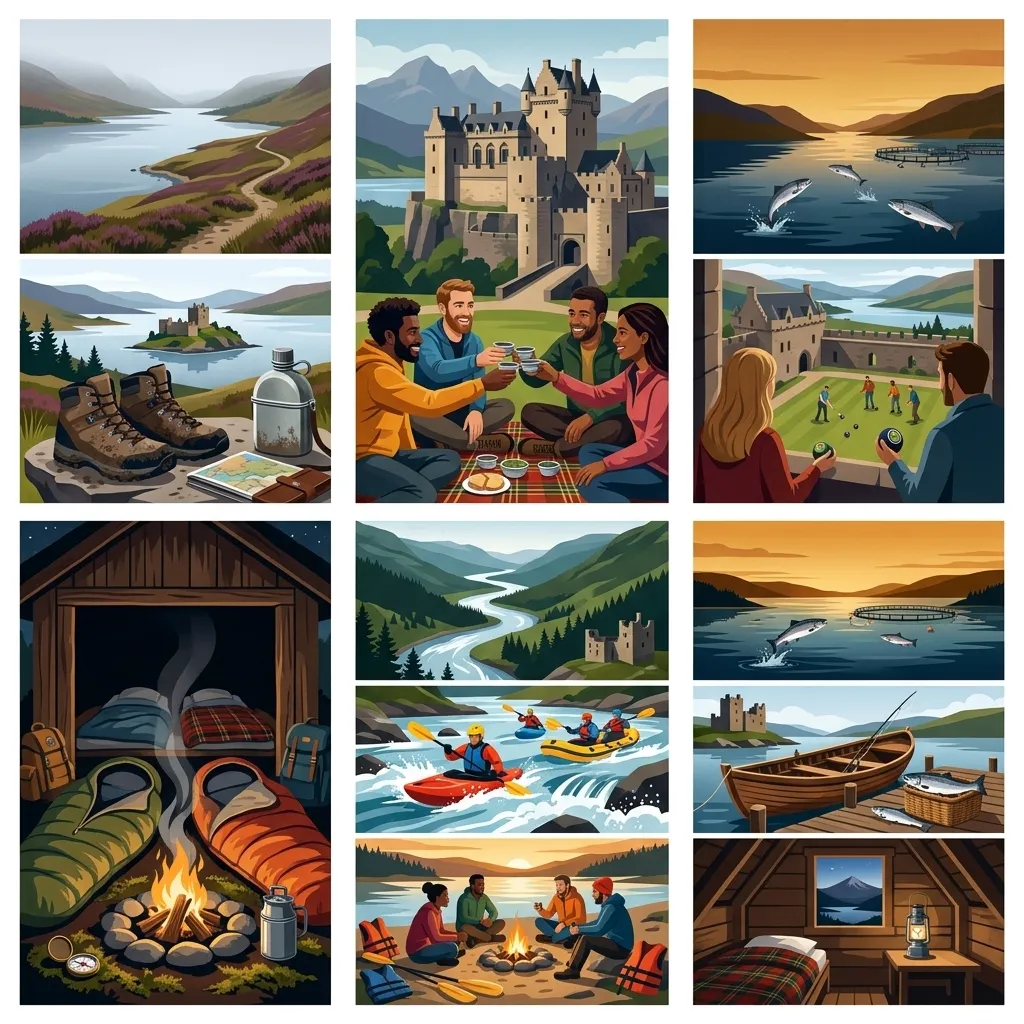
The Scottish Highlands stretch across the northern third of Scotland, a vast and varied landscape of ancient mountains, dark lochs, sweeping glens, and rugged coastline. Whether you are drawn by the promise of world-class hillwalking, centuries-old castles, single malt whisky, or simply the chance to breathe clean Atlantic air, this is one of Europe's last great wildernesses. This guide will help you explore the Scottish Highlands with confidence, covering everything from the best time to visit to where to stay, what to eat, and what not to miss.
Why Explore the Scottish Highlands?
Few places on earth pack so much drama into a single region. In a single day you can climb a Munro (a Scottish peak above 3,000 feet), watch bottlenose dolphins breach in the Moray Firth, tour a working whisky distillery, and fall asleep in a lochside cabin listening to nothing but the wind. The Highlands are home to around 230,000 people spread across an area larger than Belgium, which means vast tracts of open country, dark skies, and a pace of life that feels genuinely restorative.
The region is served by excellent road, rail, and ferry links from the rest of the UK, and a growing number of direct flights land at Inverness Airport, the capital of the Highlands. Once here, the possibilities are almost endless.
When to Visit: A Season-by-Season Guide
Spring (March to May)
Snow lingers on the highest peaks, but the glens come alive with wild flowers, lambing season, and lengthening daylight. Spring is ideal for quieter hillwalking, birdwatching (ospreys return to their nests around mid-March), and visiting castles before the summer crowds arrive. Temperatures sit between 5 and 13 \u00b0C, and midges have not yet appeared. Check the latest forecast on the Met Office Highlands forecast.
Summer (June to August)
Long daylight hours (sunrise before 5 am, sunset after 10 pm in June) make summer the most popular season. This is the best window for coastal kayaking, loch cruises, open-water swimming, and tackling longer mountain routes. The trade-off is midges, the tiny biting flies that swarm near still water on calm evenings. A good midge repellent and a head net are essentials. Summer is also peak season for the Highland Games, with gatherings across the region from June to September.
Autumn (September to November)
The hillsides turn amber and gold, red deer rut across the moors, and the tourist numbers thin. Autumn is outstanding for photography, wildlife watching, and whisky trail visits when distilleries are less busy. Water levels rise, making the region's waterfalls particularly impressive. September still offers reasonable daylight and relatively mild temperatures.
Winter (December to February)
Winter transforms the Highlands into a snow-dusted wonderland. Ski resorts at Glencoe and Cairngorm Mountain open for downhill and cross-country skiing, while experienced mountaineers tackle winter Munros. Daylight is limited (as few as six hours in December), but the dark skies are superb for stargazing, and the Northern Lights are occasionally visible from the north coast. Wrap up warm and book accommodation early around Hogmanay.
Getting There and Getting Around
Inverness is the main gateway. ScotRail runs direct services from Edinburgh, Glasgow, and Aberdeen, and the scenic Kyle of Lochalsh line and Far North Line to Thurso are among the most beautiful rail journeys in Britain. CalMac Ferries connect the mainland to the Inner and Outer Hebrides.
By road, the A9 runs north from Perth to Inverness and on to Caithness, while the famous North Coast 500 touring route loops around the northern coastline. A car gives you the most flexibility, but cycling and public bus services (particularly Citylink coaches) are viable for many routes. For travel planning information, see Transport Scotland.
Where to Stay
The Highlands offer everything from wild camping under canvas to five-star castle hotels. Browse our full accommodation directory for hand-picked options across the region. Choices include:
- Hotels and country houses in towns like Inverness, Fort William, Aviemore, and Pitlochry.
- B&Bs and guesthouses, often the best way to meet locals and get insider tips.
- Self-catering cottages and lodges, ideal for families and groups who want a base for a week or more.
- Hostels and bothies for walkers and budget travellers. Scotland's network of open bothies is maintained by the Mountain Bothies Association.
- Camping and glamping, including wild camping, which is legal under Scotland's outdoor access rights as long as you follow the Scottish Outdoor Access Code.
Where to Eat and Drink
Highland cuisine has come a long way from deep-fried stereotypes. The region produces some of Britain's finest seafood (langoustines, hand-dived scallops, smoked salmon), grass-fed beef, venison, and soft fruit. Explore our food and drink listings for restaurants, cafes, farm shops, and breweries across the Highlands.
Do not miss the chance to try Cullen skink (a creamy smoked haddock soup), haggis with neeps and tatties, and cranachan (a dessert of whipped cream, oats, raspberries, and whisky). Many restaurants now champion locally foraged ingredients, and the VisitScotland food and drink guide highlights the best of what is on offer.
Walking and Hiking
Hillwalking is the single biggest draw for active visitors. Scotland has 282 Munros (peaks above 914 m / 3,000 ft), and many of the most celebrated sit in the Highlands. Our complete guide to Munro bagging covers everything a beginner needs to know.
Top routes to explore the Scottish Highlands on foot include:
- Ben Nevis via the Mountain Track, Britain's highest peak at 1,345 m.
- The Fairy Pools on Skye, a magical series of turquoise rock pools beneath the Black Cuillin.
- The Lost Valley (Coire Gabhail) in Glencoe, a hidden hanging valley steeped in Clan MacDonald history.
- Loch an Eilein in the Cairngorms, a gentle family-friendly circuit around a castle-topped island.
- The Old Man of Storr on Skye, one of the most photographed landscapes in Scotland.
For longer adventures, the seven-day walking holiday itinerary maps out a week of varied routes. Always check mountain weather forecasts and carry appropriate kit, including map, compass, waterproofs, and extra layers. Read our mountain safety guide before heading out.
Castles and History
The Highlands are scattered with over 300 castles, from romantic ruins to fully restored strongholds. Historic Environment Scotland manages many of the most significant sites, including Urquhart Castle on Loch Ness and Eilean Donan, one of the most photographed castles in the world.
History here is tangible. The Jacobite risings, the Highland Clearances, and centuries of clan warfare have left their mark on the landscape. Walk the battlefield at Culloden, stand in the ruins of a cleared township in Sutherland, or visit the story of the Roman frontier at the edge of Caledonia. Our blog covers dozens of historical tales from across the region.
Whisky
Scotland's national drink is inextricable from the Highland landscape. The region is home to dozens of working distilleries, from household names like Glenmorangie and Dalwhinnie to smaller craft operations hidden in remote glens. Our Speyside Whisky Trail guide maps out the world's most concentrated cluster of distilleries, while the whisky distilleries overview covers the wider region.
Most distilleries offer guided tours and tastings; booking ahead is strongly recommended in summer. For a multi-day trip, our Whisky and Wildlife Cairngorms itinerary combines distillery visits with outdoor exploration.
Wildlife and Nature
The Highlands support some of the rarest wildlife in Britain. Red deer, red squirrels, pine martens, golden eagles, white-tailed eagles, and wildcats all live here, along with breeding ospreys at sites like Loch Garten. The Moray Firth is home to the most northerly population of bottlenose dolphins in the world.
Two national nature reserves, Beinn Eighe and the Cairngorms, protect ancient Caledonian pine forest and montane habitats. NatureScot manages many reserves and provides guidance on responsible wildlife watching. For families, the Highland Wildlife Park near Aviemore offers close encounters with native and endangered species.
Golf
Scotland invented the game, and the Highlands have some of its finest courses. Our guide to Highland golf covers championship links, hidden gems, and everything in between. Royal Dornoch, regularly ranked among the world's top courses, sits on the Sutherland coast with views across the Dornoch Firth. Browse all courses in our golf directory.
Lochs and Waterways
The Highlands are defined by water. Loch Ness, Loch Lomond, Loch Maree, and hundreds of smaller lochs punctuate the landscape, offering fishing, kayaking, sailing, and wild swimming. The Great Glen Way follows the Caledonian Canal from Fort William to Inverness, linking a chain of lochs along one of Scotland's most dramatic geological fault lines. For a gentler day out, try a loch cruise or walk the peaceful shoreline at Dores Beach.
Family-Friendly Highlights
The Highlands are brilliant for families. Our family guide rounds up the best activities for children, from the Highland Wildlife Park and the easy Cairngorms walks to pony trekking and beach days on the Moray coast. The Jacobite Steam Train (the real-life Hogwarts Express) runs from Fort William to Mallaig in summer and is unforgettable for children and adults alike. Browse our activities directory for more options.
Suggested Itineraries
If you are not sure where to start, our curated itineraries take the guesswork out of planning. Popular routes include:
- 5-Day Skye and Highlands Circuit, taking in Glencoe, Skye, and the Great Glen.
- 3-Day Classic Highlands Loop, a compact road trip through the greatest hits.
- North Coast 500 in 6 Days, the iconic coastal touring route.
- 4-Day Hiking Adventure, built around the region's most rewarding mountain walks.
- Loch Ness and the Far North, combining the famous loch with the wild Caithness coast.
Browse the full list on our itineraries page.
Practical Tips for Your Trip
Packing
The Highland weather is famously changeable. Layer up: a base layer, fleece or insulating mid-layer, and a waterproof shell are essential even in summer. Sturdy walking boots (broken in before you arrive), a hat, gloves, and sun cream should all make the packing list. In summer, add midge repellent and a head net.
Safety
The mountains demand respect. Weather can close in quickly, mobile signal is patchy or absent in many areas, and river crossings can become impassable after heavy rain. Always leave a route plan with someone, carry a charged phone (with offline maps downloaded), and know how to navigate with a map and compass. For the latest safety advice, consult Mountaineering Scotland.
Midges
Highland midges are at their worst from late May to mid-September, especially near standing water on calm, overcast days. Avon Skin So Soft, Smidge, and other DEET-based repellents are widely used. A head net is worth its weight in gold on bad midge days. Wind and altitude both reduce midge numbers, so coast and summit walks are usually more comfortable than low-level woodland.
Connectivity
Mobile coverage is limited outside towns. Download offline maps (OS Maps or Google Maps) before you set out, and do not rely on a phone signal for navigation in the mountains.
Start Planning Your Highland Adventure
The Scottish Highlands reward every kind of traveller: the hillwalker chasing summits, the history lover exploring clan battlefields, the foodie sampling fresh seafood by a harbour, and the family building sandcastles on a white-sand beach with barely another soul in sight. However you choose to explore the Scottish Highlands, this corner of the world will stay with you long after you leave.
Browse our full directory of hand-picked places to stay, eat, visit, walk, and play. Read the Highland Journal for in-depth stories, guides, and local knowledge. And when you are ready, pick an itinerary and start your adventure.
Share this story
Enjoyed this read? Share it with fellow travellers on Facebook, X (Twitter), LinkedIn, or send the link to a friend.