castles
The Highland Clearances: what happened and where to go
Exploring the history of the Highland Clearances and key locations tied to Scotland's past.
By Highland Explorer Editorial, Highland History Expert - - 6 min read
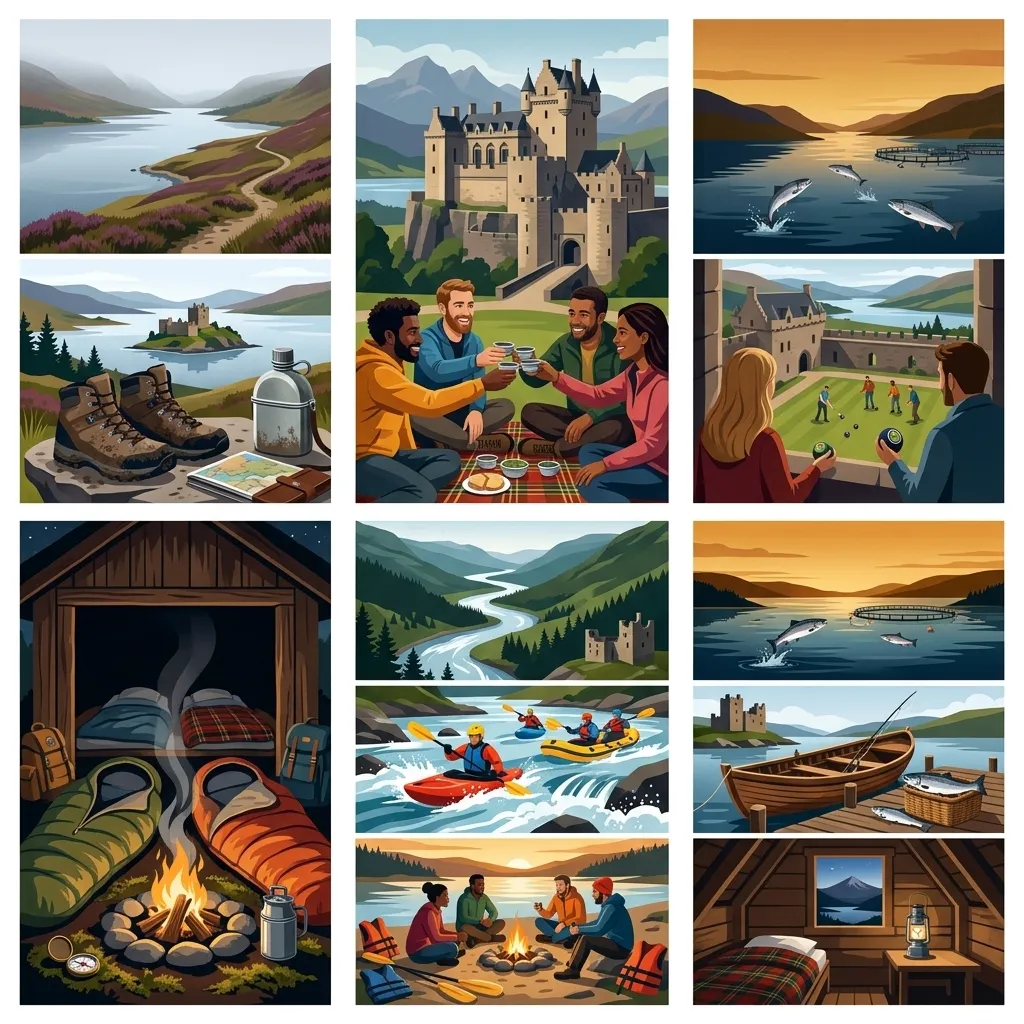
The Highland Clearances remain one of the most profound and tragic episodes in Scottish history. Spanning roughly a century, from the mid-18th to the late 19th century, these evictions reshaped the Highlands forever. Tens of thousands of tenant farmers were forcibly removed from ancestral lands as landlords sought to replace subsistence farming with more profitable sheep grazing. The impact reverberated through generations, with many emigrating to distant lands or struggling to survive in harsh coastal conditions. The ruins of abandoned villages, scattered across the Highlands, serve as haunting reminders of this upheaval. For visitors today, understanding the Clearances and their legacy offers an opportunity to honour the resilience of those who suffered and to reflect deeply upon this defining chapter in Scottish history.
History & Significance
The Highland Clearances were not a singular event but a drawn-out process that unfolded in stages. The first phase began around 1760 and continued into the early 19th century. Landowners, influenced by the ideals of agricultural "improvement," sought to maximise profits by replacing traditional tenant farming with large-scale sheep farming. Entire communities were removed from the fertile glens where they had lived for centuries and resettled in coastal areas. Here, they were expected to eke out a living through fishing, kelp harvesting, or other subsistence activities.
The Sutherland Clearances, spanning the late 18th and early 19th centuries, are among the most infamous chapters of this history. Led by the Countess of Sutherland and her factor James Loch, almost 15,000 people were displaced from inland areas to make way for sheep pastures. The evictions were often brutal, overseen by agents like Patrick Sellar, whose methods in Strathnaver became notorious. Accounts of homes burned with families still inside, or left to collapse while tenants sheltered nearby, underscore the trauma inflicted. Sellar faced trial for cruelty but was acquitted, a fact that fuelled resentment and has left a bitter mark on history.
The second phase of the Clearances was marked by intensified hardship. In the 1840s, the Highlands were devastated by the potato famine, which mirrored the plight of Ireland. Diminished harvests, coupled with the collapse of the kelp industry and ongoing evictions, left many in dire straits. Landlords, seeking to rid themselves of impoverished tenants, often "assisted" emigration by paying passage to Canada, Australia, or the United States. By the mid-19th century, rural depopulation was stark: over 70,000 people were displaced, with some estimates exceeding 100,000. The destruction of the clan-based way of life, which had already been undermined after the Jacobite defeat at Culloden, was now complete.
Despite the hardship, Highland culture endured. Gaelic poetry and songs lament the Clearances, preserving the memory of those who suffered. The 1886 Crofters Holdings Act eventually granted tenants greater security, but by then, much of the population and their traditional way of life had been irrevocably altered.
Visiting Today
For those tracing the history of the Highland Clearances, the region offers a wealth of poignant and evocative sites. One of the most significant places to visit is the Strathnaver Museum in Bettyhill, Sutherland. Housed in a former parish school, this museum is dedicated to preserving the history of the Clearances, particularly those that occurred in the Strathnaver area. Inside, you will find original eviction documents, photographs, and oral histories that bring the human cost of these events into sharp focus. There are also records and writings from figures such as Patrick Sellar, allowing visitors to engage directly with the individuals at the heart of this story.
The museum typically opens between April and October, but it is essential to check their official website for up-to-date details regarding opening times and ticket prices. Parking is available nearby, and the surrounding village of Bettyhill is itself an example of a resettlement area for those displaced from the glens.
Not far from the museum, visitors can explore the ruins of cleared villages. Sites like Rossal and Badbea are accessible by foot and offer a stark visual reminder of the Clearances. Stone foundations and abandoned crofts remain scattered across the landscape, giving a sense of the lives once lived there. Coastal settlements, such as Helmsdale, often feature memorials commemorating those who emigrated. The Emigrants Monument in Helmsdale, depicting a family departing for a new life overseas, is particularly moving.
Another way to explore the Clearances is by following the Clearances trail driving route, which connects key sites across the Highlands. This route allows visitors to witness the vast, empty landscapes left in the wake of the evictions and to better appreciate the scale of the depopulation.
For those interested in the broader historical context, a visit to Culloden Battlefield is invaluable. The Jacobite defeat in 1746 marked the beginning of the end for the traditional Highland way of life. The battlefield offers a sombre but crucial backdrop to understanding why the Clearances occurred.
Finally, descendants of those affected by the Clearances may wish to delve deeper into their personal connections. Highland Clearances for descendants provides practical advice for tracing family histories and exploring ancestral lands.
Key Takeaways
- The Highland Clearances were a series of forced evictions from the mid-18th to late 19th century, displacing tens of thousands of people across the Highlands.
- The Clearances were driven by economic motives, as landlords replaced tenant farmers with more profitable sheep farming.
- The Sutherland Clearances are among the most infamous, with nearly 15,000 people displaced under the Countess of Sutherland’s direction.
- Strathnaver Museum in Bettyhill is a key site for visitors seeking to understand the Clearances and their legacy.
- Ruined villages such as Rossal and memorials in places like Helmsdale preserve the memory of those who suffered.
- The Clearances contributed to widespread emigration, especially during the Highland Potato Famine of the 1840s.
Frequently Asked Questions
What were the Highland Clearances?
The Highland Clearances were a period of forced evictions in Scotland’s Highlands from around 1750 to 1860. Landowners replaced traditional tenant farming with sheep grazing, displacing tens of thousands of people. Many were resettled on harsh coastal lands or emigrated overseas, forever altering the social and cultural fabric of the Highlands.
Where can you learn about the Clearances?
The Strathnaver Museum in Bettyhill is one of the best places to learn about the Clearances. Other significant sites include ruined villages like Rossal, the Emigrants Monument in Helmsdale, and memorials along the Clearances trail driving route.
Why did the Clearances happen?
The Clearances occurred due to economic pressures. Landowners sought higher profits by replacing tenant farmers with sheep farming. The collapse of traditional industries, such as kelp harvesting, and the Highland Potato Famine further exacerbated the displacement.
Visiting these sites today is a profoundly moving experience. By honouring the memory of those who endured the Clearances, we ensure their stories are never forgotten. For further exploration of related history, consider visiting Clan Sutherland and the Clearances for insights into how one prominent family shaped this era.
Share this story
Enjoyed this read? Share it with fellow travellers on Facebook, X (Twitter), LinkedIn, or send the link to a friend.