castles
The Highland Clearances: a guide for descendants
Exploring the impact of the Highland Clearances and preserving ancestral ties to Scotland's past.
By Highland Explorer Editorial, Highland History Expert - - 3 min read
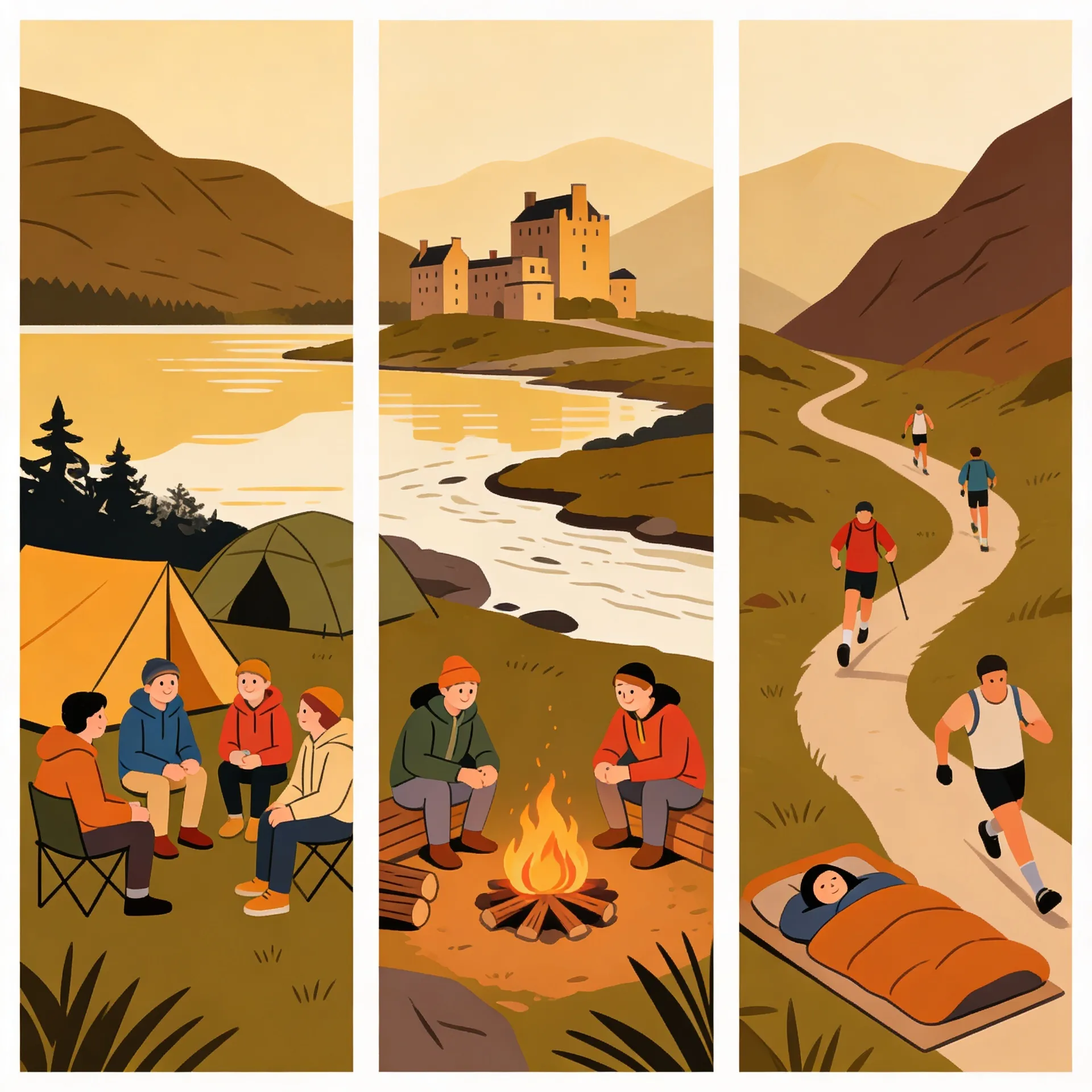
The Highland Clearances represent one of Scotland’s most painful chapters, with the forced eviction of tens of thousands of Highlanders and Islanders between 1750 and 1860. Driven by the allure of profitable sheep farming, landlords displaced entire communities, sending families to barren coasts or overseas. For descendants, tracing ancestors affected by the Clearances can deepen understanding and provide a path to reconnect with lost heritage. This guide offers practical steps to uncover your family’s story and suggests meaningful places to visit.
The Highland Clearances
To begin tracing ancestry linked to the Clearances, gather as much information as possible from family lore: names, dates, and specific locations such as glens or parishes. Historical records can provide valuable insight. Using resources like ScotlandsPeople, you can search birth, marriage, and death certificates, census returns, parish registers, and emigration records. Many Highlanders left Scotland for Canada, the USA, Australia, and New Zealand during this period, particularly after evictions in areas like Sutherland.
DNA testing through services like AncestryDNA and 23andMe can also confirm Highland origins and connect you with relatives. For more context, historical accounts, such as Donald Sage’s writings on the Kildonan Clearances, offer powerful narratives of resilience and loss. If you need additional help, professional genealogists specialising in Highland cases can assist.
Key Takeaways
- Start with family names, dates, and places linked to the Clearances.
- Search official records via ScotlandsPeople, including parish registers and census returns.
- Explore emigration records for clues about overseas movements.
- Visit museums like the Strathnaver Museum for detailed information and emotional reconnection.
- Consider DNA testing and hiring professional genealogists to fill gaps in your research.
Frequently Asked Questions
How can I find out if my family was cleared? Start by gathering family names, dates, and locations linked to Highland parishes during the Clearances. Search official records on ScotlandsPeople, including census returns and parish registers. Emigration records can also provide clues.
Where can I visit to learn about the Clearances? Sites like the Strathnaver Museum in Bettyhill, Sutherland, offer exhibits and genealogy resources. Visit clearance villages such as Rossal and Badbea to walk in the footsteps of displaced families. See more suggestions in our Highland Clearances history.
For descendants, visiting these sites can be a deeply emotional experience. Walking the evocative ruins of croft villages or standing in ancestral glens often brings both grief and closure. Coupled with research, heritage tours such as those outlined in Scottish ancestry tourism provide meaningful ways to honour those who suffered during this difficult era.
Share this story
Enjoyed this read? Share it with fellow travellers on Facebook, X (Twitter), LinkedIn, or send the link to a friend.