castles
Clan Sutherland: the clan at the centre of the Clearances
Exploring Clan Sutherland’s pivotal role in Scotland’s history during the Highland Clearances.
By Highland Explorer Editorial, Highland History Expert - - 6 min read
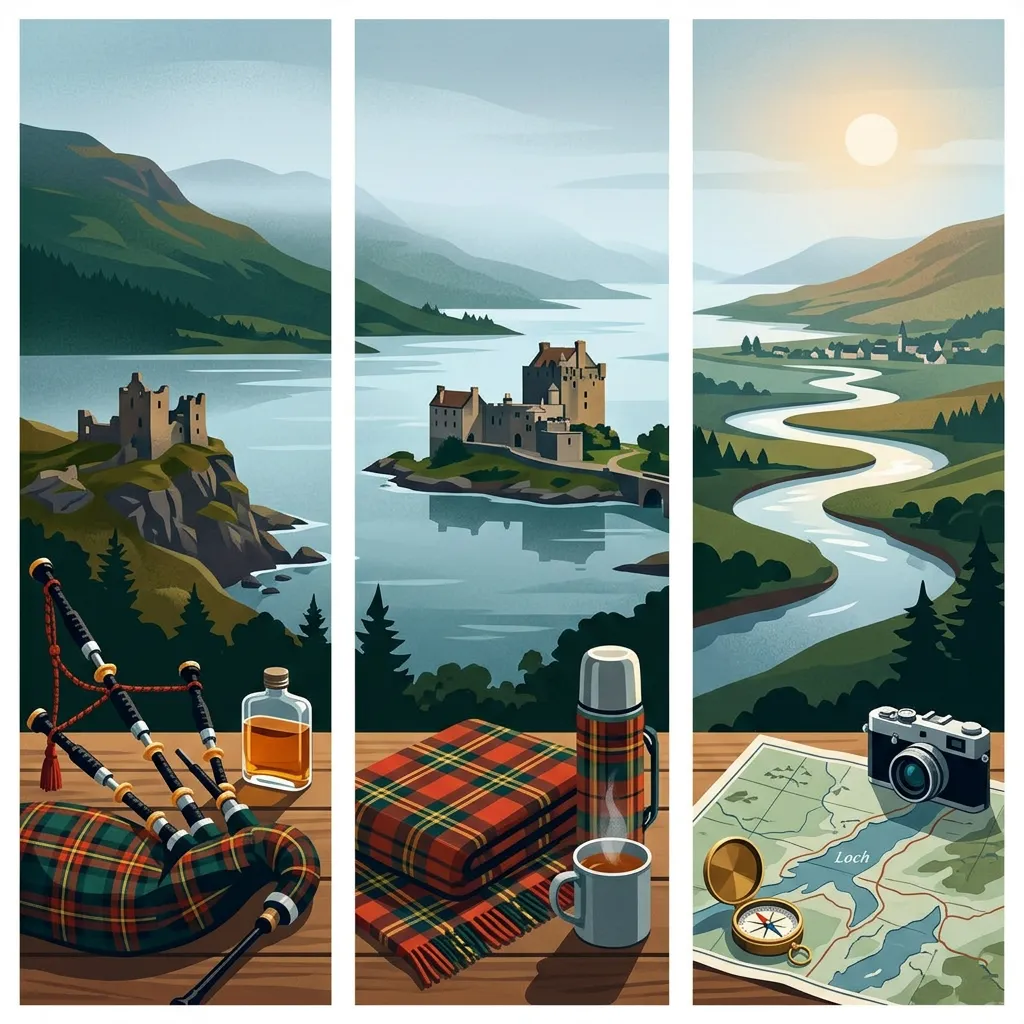
Imagine discovering your ancestors hailed from the wild and beautiful lands of Sutherland, where rich history, dramatic landscapes, and deep-rooted traditions shape the stories of Clan Sutherland. Perhaps you’ve learned that your great-great-grandmother was a descendant of this ancient clan, and now you feel an irresistible pull to uncover more about the lives and trials they faced. This is more than just history - it’s the beginning of a journey, a way to connect with a part of yourself that stretches across generations and continents. Welcome to the story of Clan Sutherland, a clan whose triumphs and tragedies offer both pride and reflection for those who claim its name.
It is impossible to talk about Clan Sutherland without acknowledging the profound impact of the Highland Clearances, an event that forever changed the face of Sutherland and Scotland. Whether your ancestors stayed or emigrated, this guide will help you explore their history and legacy, offering a chance to reconnect with your heritage.
History & Significance
The origins of Clan Sutherland are tied to the Norse name "Sudrland," meaning "south land," describing its position in the northern Highlands. The clan traces its lineage to Hugh de Moravia, whose family came to Scotland from Flanders in the 12th century. Hugh was granted the lands of Sutherland between 1197 and 1228, beginning a legacy centred around the magnificent Dunrobin Castle. This castle, perched overlooking the sea near Golspie, remains the ancestral seat of the clan and is one of the oldest continuously inhabited houses in Scotland.
Clan Sutherland played a pivotal role in Scotland’s history. William de Moravia, the first Earl of Sutherland, established the title around 1228, and the clan’s involvement in key battles cemented its significance. The 3rd Earl fought alongside Robert the Bruce at Bannockburn in 1314, and the 5th Earl married Bruce’s daughter, weaving the Sutherland story into the fabric of Scotland’s independence.
Throughout the centuries, Clan Sutherland clashed with neighbouring clans like the Mackays and Sinclairs, fighting over land, power, and influence. Feuds such as the battles at Drumnacoub in 1431 and Torran Dubh in 1517 are remembered as fierce struggles that defined boundaries and loyalties. Despite these conflicts, Sutherland’s alliances with clans like the Munros and Rosses helped shape its destiny. In later years, the clan chiefs supported government forces during the Jacobite uprisings, including the Battle of Carbisdale in 1650 and engagements at Glenshiel and Culloden.
The Transition of Chiefship
A significant moment in the clan’s history came in 1517 when Elizabeth Sutherland, the 10th Countess, married Adam Gordon. This union brought the Gordons into the chiefship, and the surname remained until John Gordon, the 16th Earl, officially adopted Sutherland as the clan name in the early 18th century. This transition was recognised by the Lord Lyon and solidified the identity of Clan Sutherland.
The Highland Clearances
The 19th-century Highland Clearances cast a shadow over Clan Sutherland’s legacy. Under Elizabeth Leveson-Gower, 19th Countess of Sutherland, and her husband George Granville Leveson-Gower, 1st Duke of Sutherland, tens of thousands of tenants were evicted from their homes in Strathnaver, Helmsdale, and surrounding areas. These clearances were driven by the economic focus on sheep farming, leading to widespread suffering, famine, and emigration. Patrick Sellar and James Loch, factors overseeing the evictions, became infamous for their methods, which included burning homes and forcing people onto ships bound for America, Canada, and Australia.
The clearances remain a deeply controversial chapter in Scottish history, symbolising the tension between landlord greed and economic "improvement." For those of Sutherland descent, the events represent both grief and resilience, as many emigrants built new lives abroad while clinging to their cultural identity.
Visiting Sutherland Country Today
If your heart feels drawn to the land of your ancestors, Sutherland offers an unforgettable experience. Start at Dunrobin Castle, a majestic home that welcomes visitors with its stunning gardens, falconry displays, and historical tours. Walking through its rooms and hallways, you’ll feel a connection to the chiefs who shaped the clan’s story.
For those seeking to understand the impact of the Highland Clearances, the Strathnaver Museum in Bettyhill offers poignant exhibits commemorating the evictions. Standing in Strathnaver and Helmsdale, you may feel the weight of history where families were forced to leave their homes, many never to return. The Timespan Heritage Centre in Helmsdale also provides insight into the lives of those affected by the clearances.
Genealogy enthusiasts can connect with the Clan Sutherland Society, founded in 1897, or explore resources at visitor centres in Golspie and Dornoch. Whether tracing emigration patterns or unearthing connections to historic battles, the society can guide you through the wealth of information available.
Key Takeaways
- Clan Sutherland originates from the Norse-named "Sudrland" in the Highlands, with Dunrobin Castle as its ancestral seat.
- The 3rd Earl of Sutherland fought at Bannockburn, and the 10th Countess’s marriage brought the Gordons into the chiefship.
- Clan Sutherland’s history is marked by battles with neighbouring clans and alliances in national conflicts.
- The Highland Clearances under the Sutherland chiefship displaced thousands, leaving a controversial legacy.
- Visiting sites like Dunrobin Castle and Strathnaver Museum offers a chance to reconnect with the clan’s history.
- The Clan Sutherland Society provides resources for genealogical research and cultural connections.
For more on this area, see our guide to clan ancestral seats.
Frequently Asked Questions
What role did Clan Sutherland play in the Clearances?
Clan Sutherland's chiefship oversaw the Highland Clearances in the 19th century, displacing thousands from areas like Strathnaver and Helmsdale. The clearances aimed to replace tenant farming with sheep farming, but the methods used caused suffering and controversy.
Where is the Clan Sutherland seat?
The ancestral seat of Clan Sutherland is Dunrobin Castle, near Golspie in the Highlands. It remains one of Scotland's most iconic castles.
Is Dunrobin Castle the Sutherland seat?
Yes, Dunrobin Castle is the seat of Clan Sutherland and has been the centre of its chiefship for centuries. Visitors can explore its history, architecture, and grounds.
Whether you’re reconnecting with your heritage or just beginning to discover your roots, the story of Clan Sutherland is one of resilience, history, and a deep connection to the Highlands. May your journey bring you closer to your ancestors and the land they called home.
Share this story
Enjoyed this read? Share it with fellow travellers on Facebook, X (Twitter), LinkedIn, or send the link to a friend.