castles
Scottish clan ancestral seats: how to find your family's Highland home
Uncover your clan's historic roots and explore the ancestral homes of Scotland's Highland families.
By Highland Explorer Editorial, Highland History Expert - - 7 min read
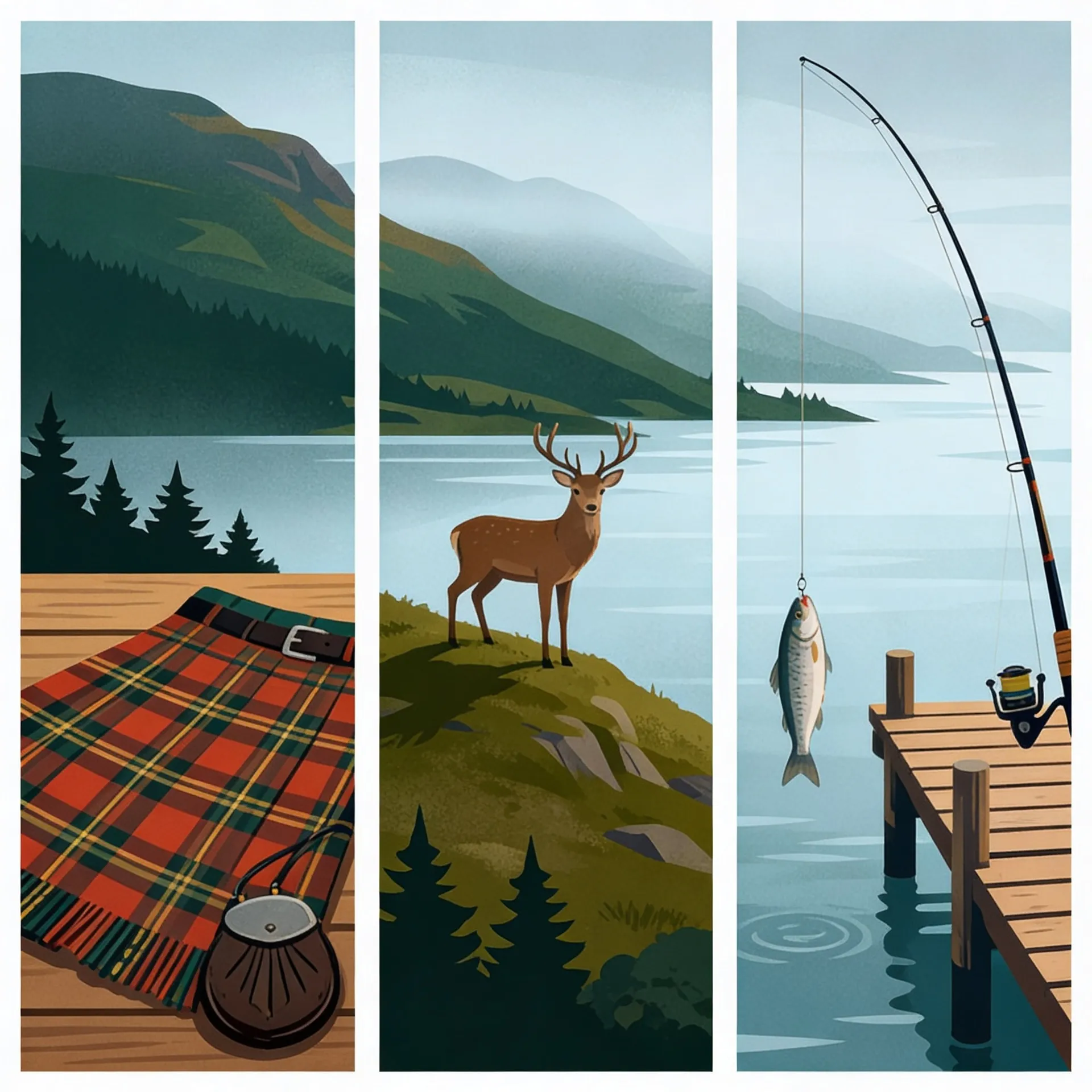
Imagine standing on the shores of Loch Dunvegan, gazing at the weathered stones of Dunvegan Castle on the Isle of Skye. This ancient stronghold has been the seat of Clan MacLeod for over 800 years. For many, this is more than a sightseeing trip; it’s a homecoming. If you’ve recently discovered your great-great-grandmother was a MacLeod, Campbell, or MacDonald, the pull to explore your clan’s ancestral home in the Scottish Highlands is irresistible. This guide will help you navigate the journey to uncover your roots and walk in the footsteps of your ancestors.
Scottish clan seats, often castles or fortified homes, were the centres of power and identity for Highland clans. These strongholds have withstood centuries of history, from feuds to rebellions and beyond. Finding your clan’s home isn’t just about buildings or geography; it’s about connecting with the stories, landscapes, and traditions that shaped your family’s past. Let’s embark on this journey together.
What to Expect
Visiting a clan ancestral home is not merely a historical exercise; it’s an emotional experience. Whether it’s the grandeur of Inveraray Castle, the haunting ruins of Castle Sween, or the mystical charm of Dunvegan Castle, each site offers a unique glimpse into the lives of your ancestors. Expect to find a mix of meticulously maintained museums, atmospheric ruins, and even privately owned estates that still serve as family homes for modern clan chiefs.
Many clan seats are located in areas of stunning natural beauty, from rugged coastlines to tranquil lochs and soaring mountains. You’ll also encounter artefacts and stories that bring history to life, from the legendary Fairy Flag of the MacLeods to the MacDonalds’ tales of the Lords of the Isles. Each visit deepens your understanding of your heritage and invites you to immerse yourself in Scotland’s rich cultural tapestry.
History
Scottish clans date back to the medieval period, originally forming as kinship groups united under a chief. Over time, these clans became powerful territorial entities, with each clan’s seat serving as a symbol of its authority and a hub for its people. The history of these seats is interwoven with Scotland’s turbulent past, from Viking invasions to bloody clan feuds and the Jacobite risings.
The Rise of Clans and Their Seats
Clan seats often began as simple fortresses or hill forts, strategically placed to defend against rivals and invaders. Over centuries, many evolved into the castles and great houses we associate with them today. For example, Eilean Donan Castle, the iconic seat of Clan Mackenzie, has stood guard over the waters of Loch Duich since the 13th century, though it was rebuilt in the 20th century after a dramatic history of destruction and restoration.
The Highland Clearances
By the 18th and 19th centuries, the Highland Clearances saw many clans forcibly displaced from their lands. This period marked a profound shift, scattering families across the globe and leaving ancestral seats as reminders of a lost way of life. For descendants of the diaspora, returning to these seats can feel like reclaiming a piece of their identity.
Modern Clan Connections
Today, many clan seats are preserved as cultural landmarks or private residences. Some, like Dunrobin Castle of Clan Sutherland, remain among the most visited attractions in Scotland, while others, like Castle Lachlan, invite visitors to explore their grounds and learn about the clan’s history. Modern clan societies and DNA projects have also revitalised interest in discovering ancestral roots.
Visiting Today
Practicalities are crucial when planning your visit to a clan seat. Below are some key details to keep in mind:
Opening Times Many clan seats, such as Dunvegan Castle, are open from spring to autumn (typically April to October), with reduced hours or closures in winter. Tickets Admission fees vary. For example, Dunvegan Castle charges approximately £14 for adults and £9.50 for children. Parking On-site parking is available at most locations, though it can be limited during peak seasons. Consider arriving early. Accessibility Not all sites are fully accessible due to their historic nature. Check in advance if you require assistance. Time Needed Allocate at least 2-3 hours for most visits, longer if you wish to explore surrounding clan lands.Getting There
Scotland’s clan seats are often in remote and scenic locations, so planning your journey is essential. For example, to visit Dunvegan Castle on the Isle of Skye, you’ll likely travel via the Skye Bridge or the ferry from Mallaig. From Portree, the island’s largest town, it’s a 30-minute drive to the castle.
Public transport options vary, with some locations requiring a combination of trains and buses. Inveraray Castle, the seat of Clan Campbell, is accessible by car from Glasgow in approximately 90 minutes, making it one of the more accessible clan seats for visitors.
What Not to Miss
- The Fairy Flag of Clan MacLeod: Displayed at Dunvegan Castle, this mystical relic is said to bring victory in times of need.
- Eilean Donan Castle: A must-see for its dramatic setting and pivotal role in Highland history.
- Inveraray Castle: Learn about the Campbell clan’s influential role in Scottish history.
- Finlaggan on Islay: The historic centre of the Lords of the Isles and Clan MacDonald.
- Castle Lachlan: A romantic ruin on the shores of Loch Fyne, steeped in MacLachlan lore.
Key Takeaways
- Clan seats like Dunvegan Castle and Inveraray Castle are powerful symbols of heritage, connecting you to your ancestors.
- Research your clan through surname ties, septs, and DNA testing to identify your ancestral home.
- Scotland’s clan seats are often located in breathtaking landscapes, offering both historical insights and natural beauty.
- Plan ahead for seasonal openings, admission fees, and accessibility.
- Visiting your clan’s seat can be a deeply emotional and transformative experience.
For more on this area, see our guide to Clan MacDonald history. For more on this area, see our guide to Clan Fraser and the Outlander connection.
Frequently Asked Questions
How do I find my Scottish clan?
Start with your surname, as it often links to a specific clan. Many clans also have associated septs, which are surnames connected by allegiance or marriage. Online resources like how to find your Scottish clan step by step provide detailed guidance. DNA testing can also confirm ties to particular regions or clans.
Can I visit my clan’s ancestral home?
Yes, many clan seats are open to the public, such as Dunvegan Castle for the MacLeods or Inveraray Castle for the Campbells. Some, like Castle Sween, are ruins open for exploration. Check availability and opening times before visiting, as they can vary by season.
What is a clan seat?
A clan seat is the historic home or stronghold of a Scottish clan, often a castle or estate. These locations served as the centre of clan life, governance, and defence. Today, they are significant heritage sites that allow descendants to connect with their roots.
How many Scottish clans are there?
Scotland has around 500 recognised clans, though not all have surviving seats or chiefs. The Highlands are home to many well-known clans, such as the MacDonalds, MacLeods, and Campbells. Each has its own history and territory, as explored in our Scottish ancestry tourism guide.
Embarking on the journey to discover your clan’s ancestral seat is a powerful way to reconnect with your heritage. Whether you’re tracing the footsteps of the MacLeods on Skye, exploring the Campbell stronghold of Inveraray, or marvelling at the ruins of Castle Sween, each visit is a chapter in the story of you. Scotland awaits, ready to reveal its secrets and welcome you home.
Share this story
Enjoyed this read? Share it with fellow travellers on Facebook, X (Twitter), LinkedIn, or send the link to a friend.