castles
Clan MacDonald: history, heartland & where to visit
Uncover the rich history, ancestral roots and must-visit locations of Scotland’s iconic Clan MacDonald.
By Highland Explorer Editorial, Highland History Expert - - 7 min read
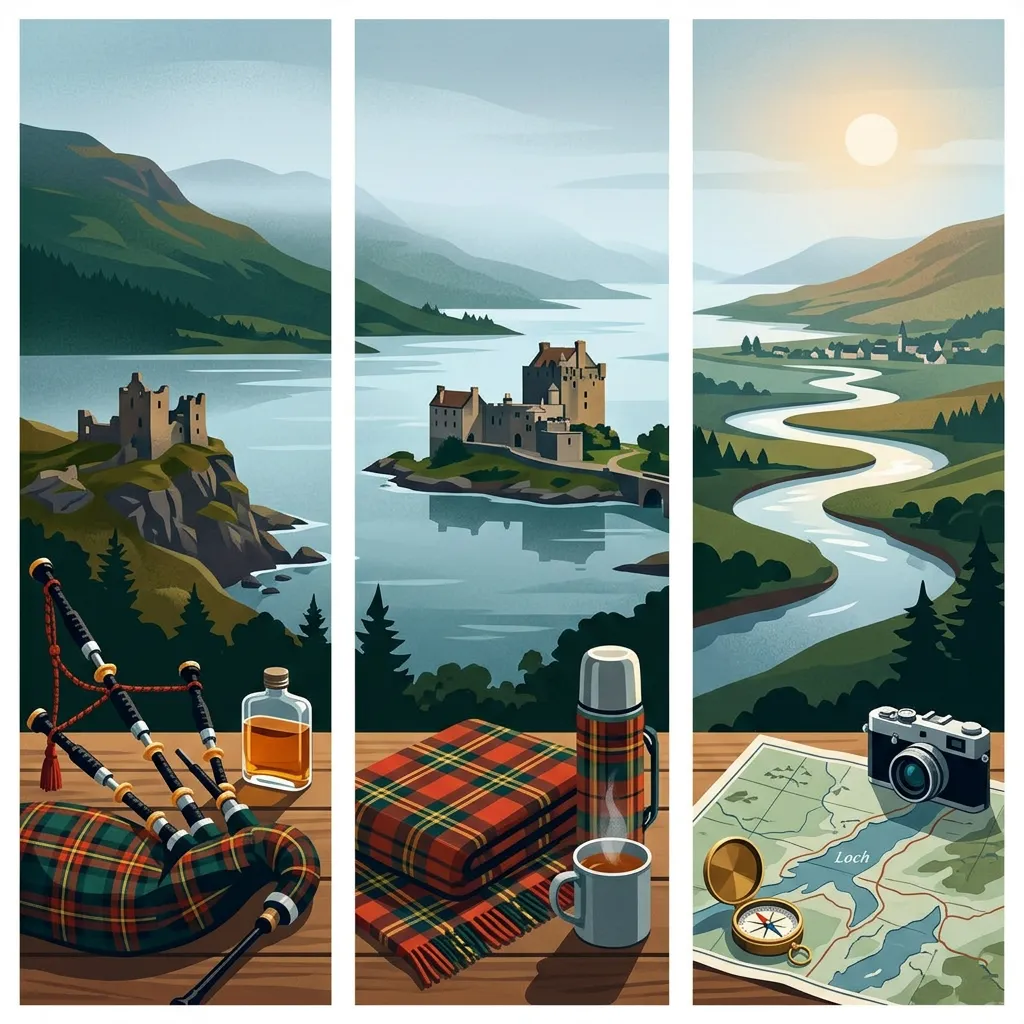
Imagine discovering that your great-great-grandmother was part of one of Scotland’s most powerful Highland clans: the MacDonalds. Suddenly, the rugged beauty of the Highlands and the tales of warrior kings and island fortresses take on a deeply personal meaning. You’re no longer just a visitor to Scotland; you’re retracing the footsteps of your ancestors, uncovering their legacy and the lands they once called home. Welcome to Clan MacDonald - Scotland’s Lords of the Isles and guardians of a rich, fascinating history.
Whether you’ve recently unearthed family connections to Clan MacDonald or are simply drawn to their storied past, this guide will help you navigate their history, explore their heartlands, and visit the places that shaped this extraordinary clan. From the windswept Isle of Skye to the haunting glens of Glencoe, the journey is one of discovery, connection, and a deeper sense of belonging.
What to Expect
Clan MacDonald, or Clann Domhnaill, holds a special place in Scottish history as one of its largest and most influential clans. Known as the Lords of the Isles, their power stretched across the Hebrides and western Scotland for centuries. Visiting their clan heartlands today means stepping into a landscape of castles steeped in history, ancient council sites where decisions shaping the region were made, and museums dedicated to preserving their legacy.
The MacDonald ancestral lands offer more than just historical intrigue: they provide breathtaking scenery, from the rugged peaks of the Cuillin Hills on Skye to the serene lochs of Islay. You’ll find opportunities to delve into genealogy, uncover artefacts, and walk trails that lead through the very lands your forebears may have trodden. For those with roots in Clan MacDonald, this isn’t just a holiday - it’s a pilgrimage.
History
The history of Clan MacDonald is both vast and enthralling, spanning centuries of power struggles, alliances, betrayals, and triumphs. To truly appreciate the significance of this clan, we need to start at the beginning: the rise of Somerled, the unifying figure behind the Lords of the Isles.
The Origins of Clan MacDonald
Clan MacDonald traces its ancestry to Somerled, a 12th-century warlord who was instrumental in defeating Norse forces and establishing independence for the western Highlands and islands. Somerled’s victory over the King of Man in 1156 marked the beginning of the Lordship of the Isles, a semi-autonomous kingdom that dominated the Hebrides for nearly four centuries. His grandson, Donald of Islay, gave the clan its name: Clann Domhnaill.
Somerled’s legacy extended far beyond military victories. His rule brought stability and governance to a fragmented region, and his descendants expanded their influence through strategic marriages and alliances. The clan grew rapidly, establishing strongholds across Argyll, Kintyre, and Inverness-shire, with their cultural and political centre at Islay.
Angus Og and the Bruce Connection
Angus Og MacDonald, a key figure in the clan’s history, played a pivotal role in supporting Robert the Bruce during Scotland’s fight for independence. At the Battle of Bannockburn in 1314, Angus Og’s forces contributed to Bruce’s victory, securing the clan’s favour with the crown. In return, Angus Og was granted lands and privileges, solidifying Islay’s position as the Council of the Isles’ hub.
This period marked the clan’s golden age, with chiefs like Alexander of Islay expanding their territory to include much of the Hebrides. Branches of the clan, including the MacDonalds of Sleat and Glengarry, were established during this time, ensuring the family’s influence remained widespread.
The Fall of the Lordship
The Lordship of the Isles ended in 1493 when the crown, wary of the MacDonalds' semi-independent status, confiscated their lands. This marked the beginning of a difficult era for the clan as their territories were gradually absorbed by rivals, particularly the Campbells. Despite this, Clan MacDonald endured, with branches like the MacDonalds of Sleat continuing to hold sway on the Isle of Skye.
One particularly tragic chapter in the clan’s history is the Glencoe Massacre of 1692. The MacDonalds of Glencoe, a sept of Clan Donald, fell victim to government forces in an event that remains infamous. For more on this, read the Glencoe Massacre.
Visiting Today
Exploring Clan MacDonald’s heartlands offers a unique chance to immerse yourself in their history, culture, and landscapes. Key sites include castles, museums, and ancient council locations that bring the clan’s story to life.
Key Sites: Armadale Castle on the Isle of Skye, Finlaggan Castle on Islay, and Glencoe. Opening Times: Armadale Castle and Museum of the Isles: March to October, 9:30am-5:30pm. Tickets: Adults £9.50, Children £4.50. Discounts for families available. Accessibility: Varies by site; Armadale Castle offers accessible paths. Time Needed: Plan for a full day at Armadale Castle; shorter visits for Finlaggan.Getting There
To reach Armadale Castle on the Isle of Skye, travel via the Skye Bridge from Kyle of Lochalsh or take the ferry from Mallaig to Armadale. Finlaggan is located on the Isle of Islay, accessible via ferry from Kennacraig. Both locations are well signposted and offer parking facilities.
For those exploring Glencoe, the area is easily accessible by car from Fort William, about 30 minutes away. Public transport options include buses that run along the A82 route.
What Not to Miss
Here are the highlights every Clan MacDonald explorer should experience:
- Armadale Castle and the Museum of the Isles: A must-visit for anyone tracing their roots in Clan MacDonald. The museum features genealogical resources and artefacts.
- Finlaggan: The ancient council site of the Lords of the Isles, steeped in history.
- Glencoe: A poignant and beautiful place with ties to the clan’s tragic past.
- Dunscaith Castle on Skye: Known as the Fortress of Shadows, it’s associated with the Sleat branch.
- Local trails: Walk the same paths your ancestors may have travelled.
Key Takeaways
- Clan MacDonald was one of Scotland’s most powerful Highland clans, tracing its origins to Somerled.
- The Lords of the Isles ruled the Hebrides and western Scotland for centuries.
- Key sites to visit include Armadale Castle, Finlaggan, and Glencoe.
- The Glencoe Massacre remains a tragic chapter in the clan’s history.
- MacDonald branches include Sleat, Glengarry, and Keppoch.
- Emigration following the 18th-century Clearances spread the clan globally.
- Sites like the Museum of the Isles offer genealogical research tools.
For more on this area, see our guide to castles on the Isle of Skye.
Frequently Asked Questions
Where is the Clan MacDonald ancestral home?
The ancestral home of Clan MacDonald centres on the Isle of Islay, where Finlaggan served as the council site for the Lords of the Isles. The MacDonalds of Sleat later established their seat at Armadale Castle on the Isle of Skye. Both locations are rich in history and well worth visiting.
What is the MacDonald connection to Glencoe?
Glencoe is famously tied to Clan MacDonald through the Glencoe Massacre of 1692. The MacDonalds of Glencoe were targeted by government forces in a brutal attack, stemming from wider Jacobite tensions. Learn more in the Glencoe Massacre.
Can you visit the MacDonald clan seat?
Yes! Armadale Castle on the Isle of Skye is open to visitors and features the Museum of the Isles, which celebrates Clan MacDonald’s remarkable history. Finlaggan on Islay is another key site, offering insight into the Lords of the Isles era.
What is the difference between MacDonald and McDonald?
MacDonald and McDonald are variations of the same surname, often used interchangeably. "Mac" means "son of" in Gaelic, while "Mc" is a later Anglicisation. Both forms can trace their lineage to Clan Donald.
Your journey into Clan MacDonald’s legacy is just beginning. Whether you’re tracing family roots or exploring their history for the first time, the heartlands of this mighty clan promise unforgettable experiences. For more on Scotland’s clan seats, visit our Scottish clan ancestral seats guide.
Share this story
Enjoyed this read? Share it with fellow travellers on Facebook, X (Twitter), LinkedIn, or send the link to a friend.