castles
Scottish ancestry tourism: a complete guide for overseas visitors
Uncover your Scottish roots with this comprehensive guide to ancestry tourism for international travellers.
By Highland Explorer Editorial, Highland History Expert - - 7 min read
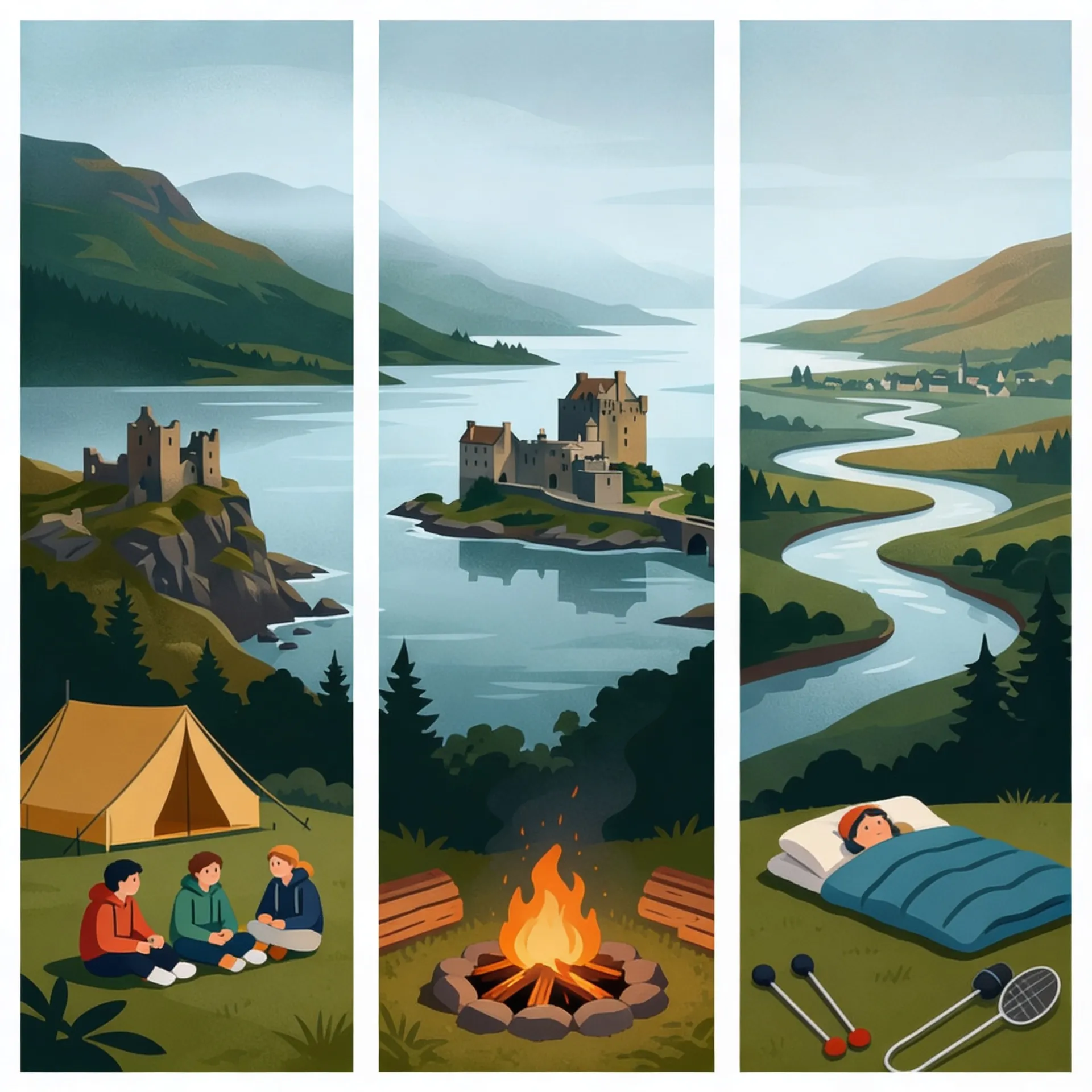
Imagine standing on the rugged shores of the Isle of Skye, gazing out at the endless waves of the Atlantic, knowing your great-great-grandmother once called this extraordinary land home. Each step you take feels like it carries the weight of centuries, each breath fills your lungs with the same air your ancestors once knew. Discovering your Scottish roots is not just a genealogical journey; it's a deeply personal adventure that connects you to a history, a culture and a landscape that feels both distant and familiar. For many descendants of the Scottish diaspora in countries like the United States, Canada and Australia, tracing their family history is a transformative experience, one that turns a simple curiosity into a profound connection.
Whether the spark came from a well-worn family story, a DNA test or an old photograph, embarking on a Scottish ancestry tourism trip offers you the chance to walk in the footsteps of your forebears. It’s a journey of discovery and belonging, filled with castles, clan histories, misty lochs and the unmistakable warmth of Scottish hospitality. Let this guide be your companion as you start planning your trip to uncover your Scottish heritage. Your story is waiting to unfold.
What to Expect
Travelling to Scotland to explore your ancestry is much more than a typical holiday. It’s an emotional pilgrimage, steeped in history and personal discovery. You’ll pore over records in Edinburgh’s archives, walk through ancient graveyards searching for a familiar name and stand before the ancestral castles of your clan. Along the way, you’ll meet locals who share your heritage, hear stories that bring your family history to life and experience the breathtaking landscapes that have inspired poets, painters and dreamers for centuries.
Expect a mix of research, exploration and reflection. For many, the most moving moments come not from historical documents but from standing in places where ancestors lived, worked and loved. You might feel a deep connection as you walk through the Highlands or visit the island where your family once resided. These experiences can be life-changing, offering a sense of belonging that transcends time and distance.
History
Scotland’s history is as rich and layered as its landscapes, and for those researching their ancestry, understanding key historical periods is vital. From clan systems to the Highland Clearances, these events shaped the lives of your ancestors and may offer clues about their journeys.
The Clan System
For centuries, Scotland’s clans were the backbone of Highland society. These extended family groups, often led by powerful chiefs, provided protection and a sense of identity to their members. Clans like the MacLeods, MacDonalds and Campbells dominated vast swathes of the Highlands and islands, with each clan tied to specific lands. If your ancestors belonged to a clan, their history is often closely linked to the region where the clan thrived. Learning to find your Scottish clan is an essential first step for many visitors.
Emigration and the Scottish Diaspora
Between the 18th and 19th centuries, many Scots emigrated due to economic hardship, political upheaval and the Highland Clearances - a period when thousands were forcibly removed from their lands to make way for sheep farming. These events led to significant Scottish communities forming in countries like the United States, Canada and Australia. If your family emigrated during this time, records from the National Archives of Scotland and the ScotlandsPeople ancestry database can help you trace their departure and arrival.
Key Family Histories
Specific clans and families have remarkable stories that span generations. For example, Clan MacLeod’s history is intertwined with the Isle of Skye and their seat at Dunvegan Castle, where the legendary Fairy Flag is displayed. Similarly, Clan MacNeil’s homeland on the Isle of Barra holds centuries of tales, including the iconic Kisimul Castle. Exploring these histories can provide incredible context for your own family’s past.
Visiting Today
Planning your ancestry trip involves a mix of practical preparation and emotional readiness. Scotland’s rich historical resources and welcoming atmosphere make it an ideal destination for heritage travel, but knowing where to start can be daunting. Here’s what you need to know.
Best Time to Visit May to September for mild weather and longer daylight hours. Key Research Centres ScotlandsPeople Centre in Edinburgh, National Records of Scotland, National Library of Scotland. Must-See Clan Sites Dunvegan Castle (MacLeod), Kisimul Castle (MacNeil), Glencoe (MacDonald). Average Trip Length 10-14 days to include research and site visits. Accessibility Many historical sites are rural; car rental is recommended.Getting There
Most overseas visitors arrive in Scotland via Edinburgh or Glasgow airports. From Edinburgh, it’s easy to reach major research centres and the Highlands. If your journey includes the islands, ferries and flights are available from key ports and airports.
Driving Directions: From Edinburgh, take the M90 north to Perth, then follow the A9 to Inverness or the A82 for a scenic route through Glencoe. For Skye, continue on the A87 westward.
Public Transport: Scotland’s rail network connects cities like Edinburgh, Glasgow and Inverness, but rural areas often require bus services or driving. Ferries serve the islands, with routes operated by CalMac.
What Not to Miss
- Dunvegan Castle: Explore the seat of Clan MacLeod, home to the Fairy Flag and stunning coastal views.
- ScotlandsPeople Centre: Dive into genealogical records and uncover family secrets.
- Highland Graveyards: Visit ancient churchyards to find ancestors’ resting places and inscriptions.
- Kisimul Castle: The iconic stronghold of Clan MacNeil, perched on a rocky island in Barra.
- Glencoe: A site of breathtaking beauty and historical significance for Clan MacDonald.
Key Takeaways
- Start your research months in advance using online tools and DNA testing.
- Visit key clan sites and archives to deepen your understanding of your heritage.
- Budget for a 10-14 day trip, with costs ranging from $3,700-$6,800 USD.
- Include emotional moments, such as visiting ancestral lands and graveyards.
- Consider hiring a professional genealogist or joining an organised ancestry tour.
For more on this area, see our guide to find your family's Highland home. For more on this area, see our guide to planning a Scottish ancestry trip from the US.
Frequently Asked Questions
How do I plan a Scottish ancestry trip? Begin with online research, using resources like ScotlandsPeople to trace your family tree. Identify key locations tied to your ancestors, such as clan seats or birthplaces. Plan a 10-14 day trip to include visits to archives, graveyards and clan sites. If needed, hire a genealogist or join a specialised tour for expert guidance.
What resources are available for ancestry research? Scotland offers a wealth of genealogical resources, including the ScotlandsPeople Centre in Edinburgh, the National Records of Scotland and local archives. Online tools like VisitScotland’s clan finder and DNA testing services can complement traditional research. Many libraries and museums also house valuable historical records.
How long should I allow for an ancestry trip? A 10-14 day trip is ideal, allowing time for research in Edinburgh, travel to ancestral regions and visits to key sites. If time is limited, focus on one or two key locations tied to your family history.
Do I need a guide for ancestry tourism? While it’s possible to plan and execute your trip independently, hiring a guide or joining a tour can enhance your experience. Expert genealogists and local guides can provide insights, access and context that may not be available otherwise.
As you begin this journey of discovery, know that Scotland’s landscapes, stories and people are ready to welcome you home. Whether you’re a MacLeod, a Campbell, a MacDonald or simply someone drawn to the call of their roots, your adventure awaits.
Share this story
Enjoyed this read? Share it with fellow travellers on Facebook, X (Twitter), LinkedIn, or send the link to a friend.