castles
How to find your Scottish clan: a step-by-step guide
Discover your Scottish roots with tips to trace clan connections and explore ancestral traditions.
By Highland Explorer Editorial, Highland History Expert - - 3 min read
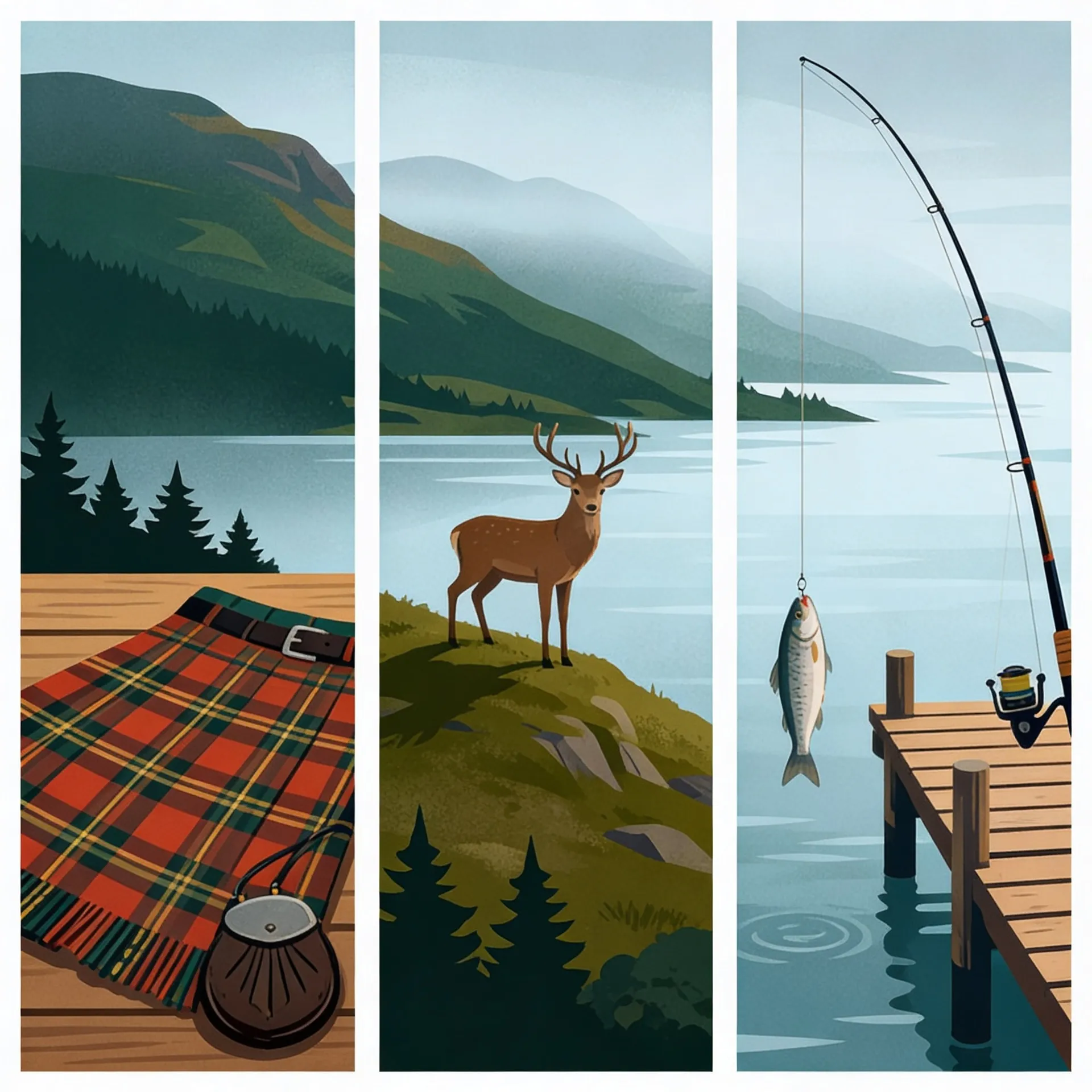
Welcome, friend! If you’re reading this, you’ve likely just discovered a fascinating link to Scotland in your family tree. Perhaps your great-great-grandmother was a MacLeod, or you’ve stumbled across a tartan that felt strangely familiar. Whatever brought you here, congratulations: you’re at the beginning of an exciting journey to uncover your Scottish clan. Let’s start by finding out what your surname can tell us.
How to find your Scottish clan
Finding your Scottish clan can be as simple as starting with your surname. Many Scottish surnames are associated with clans or their septs (families historically connected to a clan). For example, names like MacDonald or MacLeod are directly tied to their clans, while less obvious names, such as Allan or Morrison, may be linked as septs. There are excellent online tools to help you search for connections:
- Use a surname lookup tool, such as ScotClans’ A-Z guide or the Clanscape clan finder, to search your surname. If your name isn’t listed, try variations or older spellings, as surnames often evolved over time. For instance, "McDow" may connect to "McDougall".
- Check for septs. Septs are smaller families or groups historically aligned with a clan. For example, "MacIan" is a sept of Clan MacDonald.
- Explore the ancestral seats of clans to see if your family hailed from a specific region. This can help refine your search.
If your surname leads to multiple clans or no solid connection, don’t worry. Emigration, Gaelic spelling changes, and even political shifts often scattered names across Scotland and beyond.
Another terrific option is joining a clan society. Many clans have organisations dedicated to preserving their heritage. These societies offer detailed records, host gatherings, and even welcome newcomers who want to learn more about ancestral ties. You can find directories of societies through resources like COSCA or ScotClans.
For those who want to dig deeper, consider using DNA testing. DNA results often reveal clusters of relatives linked to specific clan regions, helping clarify ties that aren’t immediately obvious from surnames alone.
Key Takeaways
- Start with a surname lookup using online resources like ScotClans or Clanscape.
- Search for sept names or spelling variations related to your family name.
- Join a clan society to access historical records and meet fellow clan members.
- Use DNA testing to confirm lineage and ancestral regions.
- Explore ancestry tourism to visit historic clan lands.
Frequently Asked Questions
How do I find my Scottish clan by surname?
To find your clan by surname, use dedicated online tools like ScotClans’ surname guide or the Clanscape search bar. If you don’t find a direct match, try variations or check for sept names linked to your surname.
What if my surname is not a clan name?
If your surname doesn’t lead to a clan, it may still be a sept name or have ties through maternal ancestry. DNA testing or deeper genealogy research can help establish connections to specific clan regions.
Discovering your Scottish clan is more than just finding a name: it’s reconnecting with your heritage and stepping into a story that spans centuries. Whether you uncover ties to the MacLeods or the Campbells, you’re joining a rich tapestry of history. Enjoy every moment of the journey. You’re among friends now, and Scotland welcomes you home.
Share this story
Enjoyed this read? Share it with fellow travellers on Facebook, X (Twitter), LinkedIn, or send the link to a friend.