castles
Visiting Scottish graveyards: how to research your ancestors on the ground
Uncover ancestral stories in historic Scottish graveyards through exploration, local records, and gravestone inscriptions.
By Highland Explorer Editorial, Highland History Expert - - 5 min read
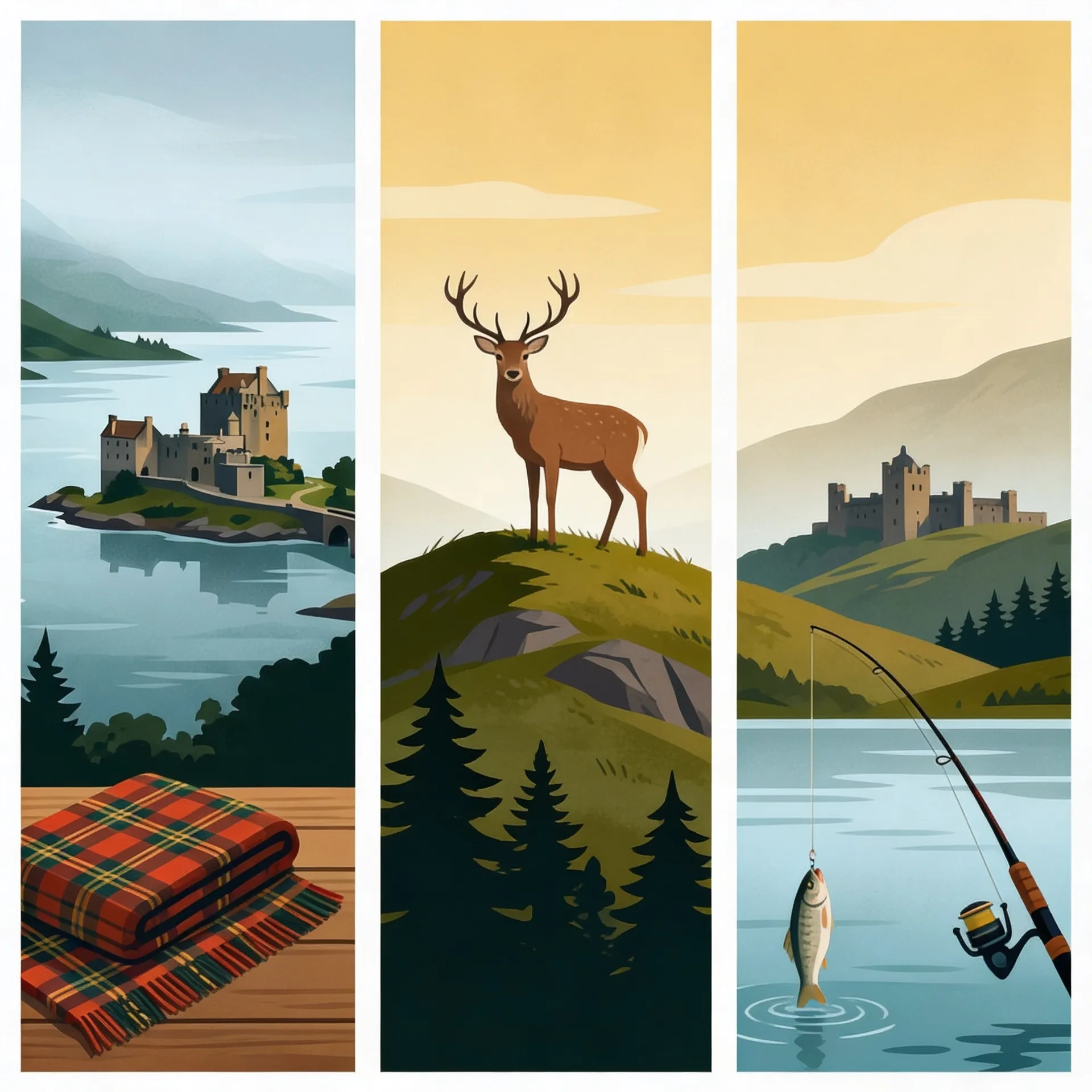
Imagine standing in the heart of the Highlands, surrounded by ancient stones weathered by time, each one whispering stories of lives lived long before yours. You’ve just learned your great-great-grandmother was a MacLeod, and somewhere in this rugged, breathtaking land lies the key to her story. Visiting Scottish graveyards is not just about unearthing names and dates: it’s about connecting deeply with your roots, walking where your ancestors walked, and feeling the threads of history weave around you. The journey you’re beginning is one of discovery and belonging, and the quiet kirkyards dotted across Scotland are perfect places to start.
This guide will help you uncover your family’s legacy through Scottish graveyard research. From decoding old headstones to navigating parish records, every step brings you closer to the people whose lives shaped your own. Let’s explore how to find your ancestors in Scotland and learn the stories etched into these sacred stones.
History & Significance
Scottish graveyards are steeped in history, often tied to the local parish or clan lands. Many of these cemeteries date back centuries, with some holding medieval or even Pictish roots. Old headstones, especially from the 18th century and earlier, were designed to convey moral messages and mortality through intricate carvings rather than simple decoration. Symbols like skulls, hourglasses, or angels with trumpets speak to themes of time, repentance, and the fleeting nature of life. You may also find trade emblems representing occupations: compasses for mariners, scales for merchants, or sexton’s tools like spades.
Headstones often preserve family connections. Inscriptions typically list initials, with the man’s on the left and the woman’s (including her maiden name) on the right. Some stones mark marriage dates or the establishment of a household. For diaspora readers, these details are invaluable, offering clues to family structure and lineage. Imagine discovering the stone of a MacLeod mariner, his name carved alongside his wife’s, and feeling the weight of their shared story in your own life.
Highland graveyards are particularly poignant for clan research, as many predate the Highland Clearances. These sites tell tales of communities before emigration scattered families far and wide. Places like Clava Cairns and Beauly Priory near Inverness offer glimpses into ancient burial practices, while smaller kirkyards tucked into remote glens often hold the stories of entire clans.
Visiting Today
Researching your ancestors through Scottish graveyards is a physical and emotional journey. Start by choosing graveyards tied to your family’s region or clan. For MacLeods, for instance, sites around Skye or Ross-shire may prove significant. Many historic cemeteries are open to the public, though rural sites may require careful planning. Always check opening times and accessibility in advance. Parking is often limited, but local visitor centres can provide advice on nearby facilities.
When visiting, bring tools to make the most of your time. A notebook, camera, and GPS-enabled phone are essential. Photograph headstones in optimal lighting: early morning or late afternoon sunlight can highlight inscriptions better than midday glare. For faint carvings, try using a light spray of water or temporary chalk rubbings, ensuring you do no damage to the stone. Stabilising your camera with a tripod helps capture the finest details, especially in shaded areas.
Take time to record inscriptions, noting exact wording, symbols, and any visible family connections. Surrounding stones often hold clues to extended family clusters, so look carefully at neighbouring graves. For older graveyards, consult guides like Betty Willsher’s Understanding Scottish Graveyards to decipher unfamiliar symbols.
Key Takeaways
- Scottish graveyards are rich in family history, particularly for those seeking Highland clan connections.
- Old headstones use symbolic carvings, family initials, and inscriptions to tell stories of mortality and lineage.
- Photography tips: Use low-angle sunlight and stabilise your camera to capture intricate details.
- Transcribe inscriptions verbatim and cross-reference surrounding stones for deeper insights.
- Combine on-site research with tools like ScotlandsPeople and parish records for a fuller picture.
- Take your time: visiting a graveyard is an emotional journey as much as a practical one.
Frequently Asked Questions
How do I find my ancestor's grave in Scotland?
Start by identifying the region or parish linked to your family. Use tools like the ScotlandsPeople database to search burial records or monumental inscriptions. Cross-reference with clan visitor centres and local parish maps to pinpoint specific graveyards. If possible, consult historic environment databases for guidance on older or less accessible sites.
What should I look for on old Scottish headstones?
Look for symbolic carvings such as skulls, hourglasses, or trade emblems, as well as inscriptions detailing names, initials, and dates. Pay attention to family placements: men’s initials are typically on the left and women’s maiden names on the right. Surrounding stones may reveal clusters of related burials.
Are there guides available at Scottish graveyards?
Some larger or historically significant graveyards, like those near tourist centres, offer visitor guides or signage explaining symbols and notable burials. For deeper insights, bring a copy of Betty Willsher’s Understanding Scottish Graveyards or consult local heritage societies for transcriptions and maps.
Visiting Scottish graveyards is more than an act of research: it’s a way to walk alongside history, feel a connection to your ancestors, and understand the stories that led to your life today. Whether you unearth direct connections or simply immerse yourself in the landscapes tied to your family’s name, this journey will leave a lasting mark on your heart. Start exploring your heritage through graveyards, and let the stones guide your way.
For further reading, explore our guide to clan ancestral seats or plan your trip with our Scottish ancestry tourism guide.
Share this story
Enjoyed this read? Share it with fellow travellers on Facebook, X (Twitter), LinkedIn, or send the link to a friend.