castles
The Scottish diaspora: where did Highland families go?
Tracing Highland emigrants: exploring Scottish family journeys across continents and their lasting cultural impact.
By Highland Explorer Editorial, Highland History Expert - - 3 min read
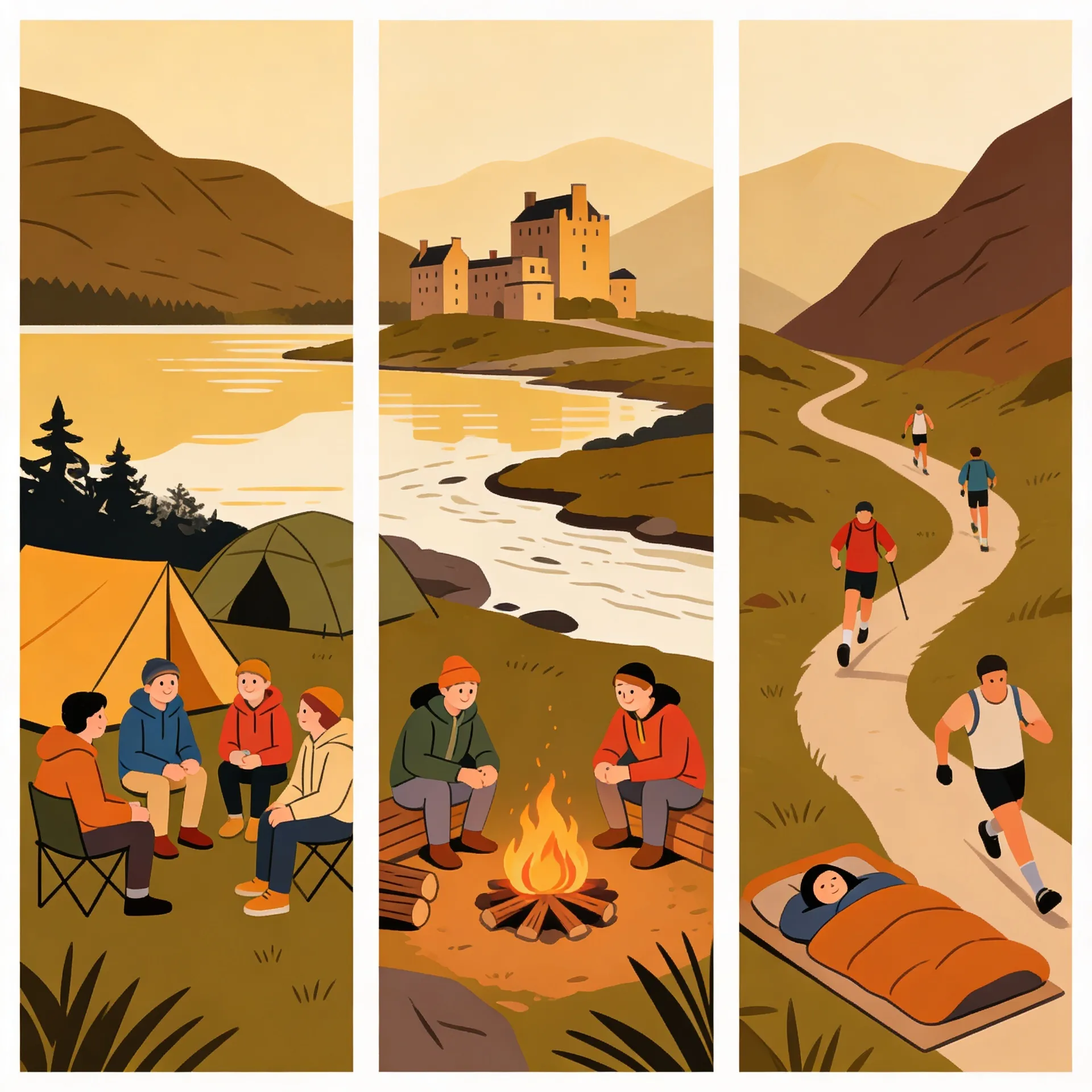
Discovering your Highland roots is like opening a treasure chest of history. If you’re just learning that your great-great-grandmother was a MacLeod, you’re on a path that connects you to one of the most dramatic migrations in Scottish history: the Scottish diaspora. This journey will uncover not only how your ancestors lived but also the challenges that forced them to leave the rugged beauty of the Highlands for distant shores. Together, let’s explore where Highland families went and why.
The Scottish diaspora
Between 1750 and 1860, thousands of Highland Scots emigrated from Scotland’s Highlands and Islands. Many were forced out during the Highland Clearances, a brutal period of evictions that replaced small tenant farms with large-scale sheep grazing for landlords’ profit. Homes were burned, rents soared, and entire communities scattered. Others left voluntarily, driven by poverty, failed crops, and dwindling opportunities. The destinations they chose offered hope: cheap land, economic stability, and a chance to rebuild their lives.
Key destinations included Nova Scotia in Canada, North Carolina in the United States, and British colonies like Australia and New Zealand. Nova Scotia welcomed Highland families as early as the 1770s, while North Carolina’s fertile Cape Fear region saw thousands of Scots arriving before the American Revolution. In Australia and New Zealand, organised emigration schemes provided passage for destitute Highlanders, especially during the potato famine years of the mid-19th century.
While some emigrants left willingly to escape rising rents and cultural erosion, many were victims of forced migration, uprooted by landlords who funded their passage abroad to clear the land for profit. By the end of the Clearances, the Highland population dwindled, leaving scars that shaped diaspora communities across the globe.
Key Takeaways
- Forced evictions during the Highland Clearances: Around 70,000 Highlanders were displaced, leading to mass migration.
- Main destinations: Nova Scotia (Canada), Appalachia (USA, especially North Carolina), Australia, and New Zealand.
- Preservation of culture: Diaspora communities, such as North Carolina’s Cape Fear Scots, kept Gaelic traditions alive.
- Mixed migration reasons: Many left voluntarily, but others were coerced by landlords offering “assisted emigration.”
- Ancestry research opportunities: Records like passenger lists and clan societies help modern descendants trace their Highland roots.
Frequently Asked Questions
Where did most Highland Scots emigrate to?
Highland Scots primarily emigrated to Nova Scotia, North Carolina, Australia, and New Zealand. Nova Scotia became a hub for post-Clearance migrants, while North Carolina attracted families as early as the 1730s with fertile farmland and tax incentives.
When did the main waves of emigration happen?
The main waves occurred between 1750 and 1860, peaking during the potato famine years (1846-55). Earlier waves in the 1760s and 1770s were largely voluntary, while later migrations were often driven by evictions during the Highland Clearances.
Tracing your Highland ancestors is a deeply rewarding experience. Whether you’re exploring passenger lists or visiting sites tied to your clan’s history, the stories of resilience and cultural pride are inspiring. If you’re ready to discover more, consider exploring ancestry tourism or reading about Culloden for Americans. Your family’s journey is part of Scotland’s story, and reconnecting with that heritage is a powerful way to honour your roots.
Share this story
Enjoyed this read? Share it with fellow travellers on Facebook, X (Twitter), LinkedIn, or send the link to a friend.