castles
What to do in Scotland if you have Scottish ancestry
Explore your Scottish roots with ancestral sites, cultural traditions, and historical landmarks across Scotland.
By Highland Explorer Editorial, Highland History Expert - - 6 min read
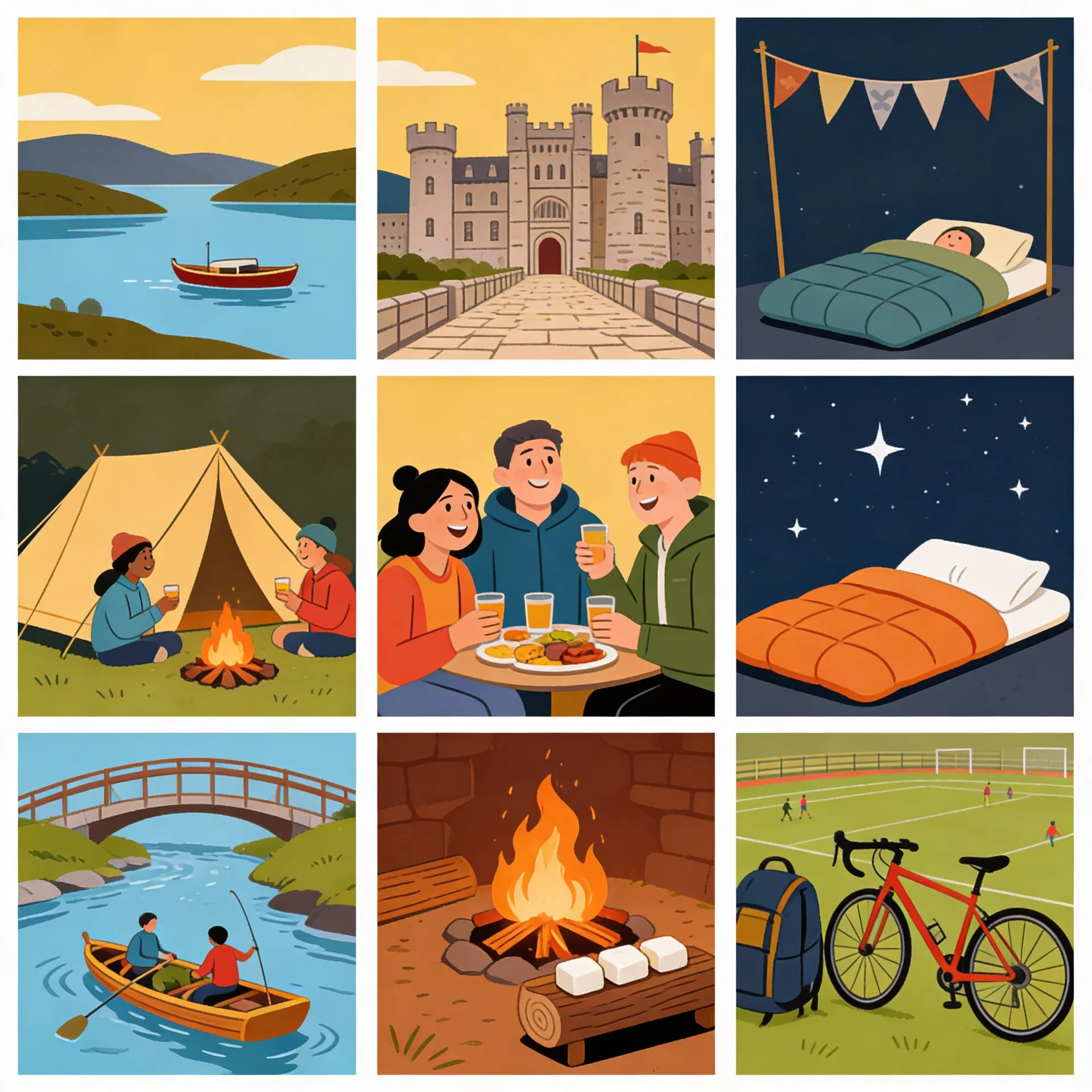
Scotland is a land of deep history and breathtaking landscapes, and for those with Scottish ancestry, it offers an unparalleled opportunity to connect with your roots. Whether your family hails from the rugged Highlands, the windswept Isles, or the historic Lowlands, Scotland is rich with resources, heritage sites, and tours to help you uncover your past. From tracing your clan’s history to visiting ancestral lands, this guide will help you make the most of your journey to explore your Scottish heritage.
History & Significance
The clans of Scotland are one of the most enduring symbols of Scottish identity. Historically, clans were kinship groups bound by ties of loyalty, formed for protection and survival in the often harsh conditions of the Highlands and Islands. While many clans trace their origins to Celtic and Norse ancestry, others were established by Norman settlers during the medieval period. Clans like the MacLeods of Skye, the MacNeils of Barra, and the MacNabs of Loch Earn still hold a powerful cultural presence today, and their ancestral lands remain key destinations for visitors exploring their lineage.
Scotland’s history is also marked by moments of great upheaval, such as the Jacobite uprisings and the Highland Clearances. These events had profound effects on the population, leading to mass emigrations and the scattering of Scottish families across the globe. For those descended from emigrants, visiting Scotland is not just a trip, but a chance to reconnect with a culture that was often left behind.
Visiting Today
Explore Clan Ancestral Territories
For many with Scottish ancestry, the first step is to visit the lands associated with your family’s clan. The Isle of Skye, for example, is the historic seat of Clan MacLeod, where you can explore Dunvegan Castle, the oldest continuously inhabited castle in Scotland. The remote Isle of Barra is the stronghold of Clan MacNeil, with Kisimul Castle standing proudly in the bay. Meanwhile, the MacNabs are closely tied to St Fillan on Loch Earn, surrounded by beautiful Highland scenery.
Booking a clan-focused tour is highly recommended for a personalised experience. Companies such as Scotland’s Wild and Inverness Tours offer tailored itineraries that include visits to clan seats, castles, and battle sites. For those seeking a truly bespoke journey, Mary’s Meanders and James Campbell Tours specialise in tracing specific family histories and can help you uncover hidden connections to your ancestors.
Trace Your Family Tree
Scotland is unmatched when it comes to genealogical resources. The ScotlandsPeople Centre in Edinburgh is an essential stop, offering access to over 500 years of records, including births, marriages, and deaths. While much of their archive is available online, some data - such as more recent records - can only be accessed in person. Be sure to book your visit in advance, as the centre can be busy, particularly during peak travel months.
Graveyards are another important resource for ancestral research. Many clan members were buried in small, often remote burial grounds near their ancestral homes. For example, visiting the Old High Kirk in Inverness or the ancient burial sites of Skye can provide emotional connections to your forebears. Consider enlisting the help of local genealogists or tour guides to navigate these sites effectively.
Visit Historic Battlefields
One of the most poignant stops on any ancestral journey is Culloden Battlefield near Inverness. This site commemorates the final, devastating defeat of the Jacobite forces in 1746, an event that marked the end of the clan system as it had existed for centuries. The National Trust for Scotland manages the visitor centre, which offers detailed exhibits on the clans who fought at Culloden and the wider impacts of the battle.
Allow at least two to three hours to explore Culloden. A guided tour of the battlefield, combined with a visit to the museum, provides a deep understanding of the sacrifices made by your ancestors. For more insights, read our guide to Culloden for Americans.
Immersive Heritage Museums
Scotland is home to several excellent museums where you can delve deeper into clan history and Highland life. The National Museum of Scotland in Edinburgh features exhibits on clan artefacts and the Jacobite risings. The Highland Folk Museum in Newtonmore offers a unique look at reconstructed Highland settlements, providing insight into daily life before the Clearances. For clan-specific exhibits, the Clan Donald Skye centre and the Clan Cameron Museum are worth visiting.
Use DNA Testing
If you’re unsure which region of Scotland your family comes from, DNA testing can provide valuable clues. Services like AncestryDNA and 23andMe can identify regional connections and even suggest possible clan affiliations. Once you’ve received your results, you can use resources like clan ancestral seats or visit clan museums to learn more about your heritage. Some tour companies, such as Black Kilt Tours, can assist in interpreting your DNA results and planning visits accordingly.
Emotional Preparation
Exploring your Scottish ancestry can be a deeply moving experience. Walking the same lands as your ancestors or standing at their graves can evoke powerful emotions, from pride to grief. Journaling your thoughts or reading books on Scottish history before your trip can help you process these feelings. It’s also wise to pace yourself, limiting visits to one or two major sites per day to avoid emotional overwhelm.
Practical Tips for 2025-2026 Visits
- Timing: Visit between May and September for the best weather and longer days.
- Transport: Hire a car for exploring the Highlands. Public transport is more convenient for cities like Edinburgh.
- Costs: Expect to spend £200-500 per day for guided tours. Access to ScotlandsPeople records costs around £15 per day, with additional fees for printing documents.
- Accommodation: Stay in Edinburgh for genealogical research or Inverness for battlefield and clan tours.
- Preparation: Gather as much information as possible about your ancestors before your trip, including clan associations and parish details.
Key Takeaways
- Visit ancestral clan seats like Dunvegan Castle or Kisimul Castle to connect with your heritage.
- Use ScotlandsPeople or local libraries for genealogical research on your family tree.
- Explore historic battlefields like Culloden to understand the sacrifices of your ancestors.
- Immerse yourself in Scottish culture at museums and reconstructed Highland settlements.
- Consider DNA testing to identify regional connections and plan your trip accordingly.
Frequently Asked Questions
What should I do first on a Scottish ancestry trip?
Begin by gathering as much information as possible about your family history. Use online resources or DNA testing to identify your clan or ancestral region. Once in Scotland, visit the ScotlandsPeople Centre in Edinburgh to access detailed records, and plan a trip to your clan’s ancestral seat for a personal connection.
How do I find my family connections?
Start by researching your surname and any known family stories. Use DNA testing services to confirm regional ties. Once you know your ancestors’ parish or clan, visit local archives, clan museums, and graveyards to uncover more details. Consider hiring a genealogist or booking a guided ancestry tour for expert assistance.
Share this story
Enjoyed this read? Share it with fellow travellers on Facebook, X (Twitter), LinkedIn, or send the link to a friend.