castles
Scottish Highlands history: a timeline for visitors
Discover the rich tapestry of Scottish Highland history through a detailed timeline for travellers.
By Highland Explorer Editorial, Highland History Expert - - 5 min read
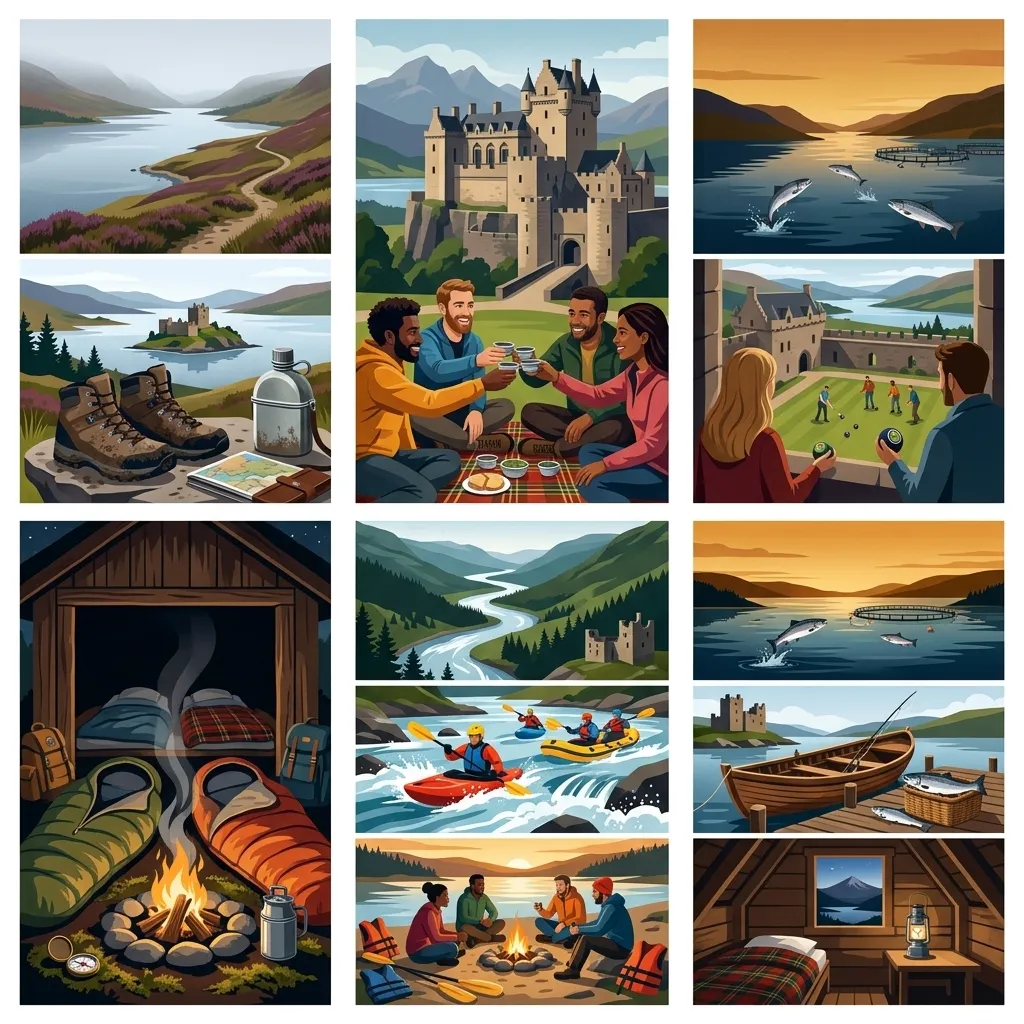
The Scottish Highlands are a landscape of rugged beauty, steeped in history that stretches back thousands of years. From prehistoric hunter-gatherers to Jacobite rebels, the Highlands offer visitors a tangible connection to Scotland's past. This timeline explores the key periods of Highland history, their significance, and the places you can visit today to experience these fascinating eras firsthand.
History & Significance
Prehistoric Era (c. 12,000 BC-700 BC)
The story of the Scottish Highlands begins after the last Ice Age, around 12,000 BC. Early inhabitants were hunter-gatherers who adapted to the region’s harsh environment. By the Mesolithic period, these communities used stone tools and settled near rivers and lochs. The Neolithic era marked the transition to farming, with the construction of monuments such as standing stones and chambered tombs. The Bronze Age saw the introduction of metalworking, while the Iron Age brought fortified settlements like brochs and crannogs.
Visitors can explore iconic sites such as the Heart of Neolithic Orkney, which includes Skara Brae, the Ring of Brodgar, and Maes Howe. Other highlights include Cairnpapple Hill in West Lothian and the Iron Age crannog at Eilean Dòmhnuill in North Uist.
Pictish and Early Medieval Era (c. 1st-9th centuries AD)
The Picts, known for their mysterious symbols and body paint, dominated the Highlands during the early medieval period. Although the Romans attempted to invade Scotland, they never fully conquered Caledonia, leaving Hadrian’s Wall as the boundary of their empire. Christianity was introduced by St. Columba in 563 AD, further shaping the region’s culture.
Today, the Pictish Trail offers a chance to explore carved stones and slabs across the Highlands and Islands. Key sites include the Groam House Museum, Nigg Stone, and Tarbat Discovery Centre. Dunnottar Castle also provides insights into the era’s coastal defences.
Viking/Norse Era (c. 8th-11th centuries)
The Vikings arrived in the late 8th century, settling in areas such as Orkney, Shetland, and the Hebrides. Norse influence remains visible in place names and archaeological sites, including longhouses and Norse kirks. The Viking dominance ended in 1266 when these territories were ceded to Scotland.
Visitors can explore Norse heritage at Jarlshof in Shetland, a multi-era site, or the Knap of Howar on Papa Westray, considered the oldest house in Scotland. Orkney’s Earl’s Bu and Olaf’s Kirk offer further insights into this fascinating period.
Clan and Medieval Era (c. 11th-17th centuries)
The Kingdom of Alba, formed around 900 AD by Kenneth MacAlpine, united the Scots and Picts. This period saw the rise of Highland clans, each with their own territories and castles. The Wars of Independence, led by figures such as William Wallace and Robert the Bruce, further shaped Scotland’s medieval history.
Prominent clan sites include Eilean Donan Castle and Dunvegan Castle, both of which offer tours and displays of clan heritage. Stirling Castle, a key location during the independence wars, also offers daily tours focused on its Jacobite connections.
Jacobite Era (1689-1746)
The Jacobite Risings were a series of attempts to restore the Stuart monarchy. The final rebellion ended at the Battle of Culloden in 1746, marking the end of traditional clan power. Bonnie Prince Charlie’s campaign is celebrated for its dramatic highs and tragic conclusion.
The Culloden Battlefield near Inverness is a must-visit, with an immersive visitor centre and restored battlefield markers. Glenfinnan Monument commemorates the Jacobite rallying point, while Fort George offers insights into post-Culloden military strategies.
Highland Clearances (c. 1750-1860)
After Culloden, social and economic changes led to the Highland Clearances. Landlords evicted tenants to make way for sheep farming, resulting in mass emigration and depopulated glens. This poignant chapter in Highland history is evident in abandoned villages and memorials.
Visitors can follow the Clearances Trail, including Suisgill and Badbea in Caithness, or explore reconstructed crofts at the Skye Museum of Island Life.
Modern Era (19th century-present)
The Victorian period brought railways and tourism to the Highlands, while World War II saw the region become a strategic base. In recent decades, efforts have focused on preserving the Highland heritage for future generations.
Modern highlights include the Jacobite Steam Train, which crosses the Glenfinnan Viaduct, and Cromarty Courthouse, showcasing 19th-century life. Military heritage is explored at the IWM Scotland in Dingwall.
Visiting Today
When planning your journey through Scottish Highlands history, it’s essential to check opening times and availability. Sites like Culloden Battlefield and Stirling Castle offer guided tours year-round, while seasonal attractions such as the Jacobite Steam Train require advance booking during summer months. Many prehistoric sites, including crannogs and standing stones, are weather-dependent, so consult local forecasts before visiting.
Parking is available at many sites, but remote locations may require hiking or cycling. Ensure you wear appropriate footwear and bring water for longer trails. For detailed itineraries and updates on events such as Highland Games or archaeological digs, consult VisitScotland or local tourism offices.
Key Takeaways
- The Scottish Highlands’ history spans thousands of years, from prehistoric hunter-gatherers to modern heritage preservation.
- Key eras include the Pictish, Viking, Jacobite, and Highland Clearance periods, each leaving visible marks on the landscape.
- Must-visit sites include the Heart of Neolithic Orkney, Culloden Battlefield, and the Pictish Trail.
- Practical considerations include checking opening times, booking tickets in advance, and preparing for remote hikes.
- Local events, museums, and trails provide a comprehensive way to explore Highland history.
Frequently Asked Questions
What are the key periods of Highland history?
Highland history spans several key periods: the Prehistoric Era (12,000 BC-700 BC), the Pictish and Early Medieval Era (1st-9th centuries), Viking/Norse Era (8th-11th centuries), Clan and Medieval Era (11th-17th centuries), Jacobite Era (1689-1746), Highland Clearances (1750-1860), and Modern Era (19th century-present).
Where can I see each era of Highland history?
Prehistoric sites include Orkney’s Skara Brae and Cairnpapple Hill. The Pictish Trail covers carved stones in the Highlands and Islands. Viking heritage can be explored at Jarlshof in Shetland, while clan castles like Eilean Donan showcase medieval history. Culloden Battlefield represents Jacobite history, and abandoned villages like Badbea illustrate the Clearances.
Share this story
Enjoyed this read? Share it with fellow travellers on Facebook, X (Twitter), LinkedIn, or send the link to a friend.