castles
Prehistoric Scotland: standing stones, brochs & cairns in the Highlands
Exploring ancient landmarks of Scotland's Highlands, from mysterious standing stones to brochs and cairns.
By Highland Explorer Editorial, Highland History Expert - - 5 min read
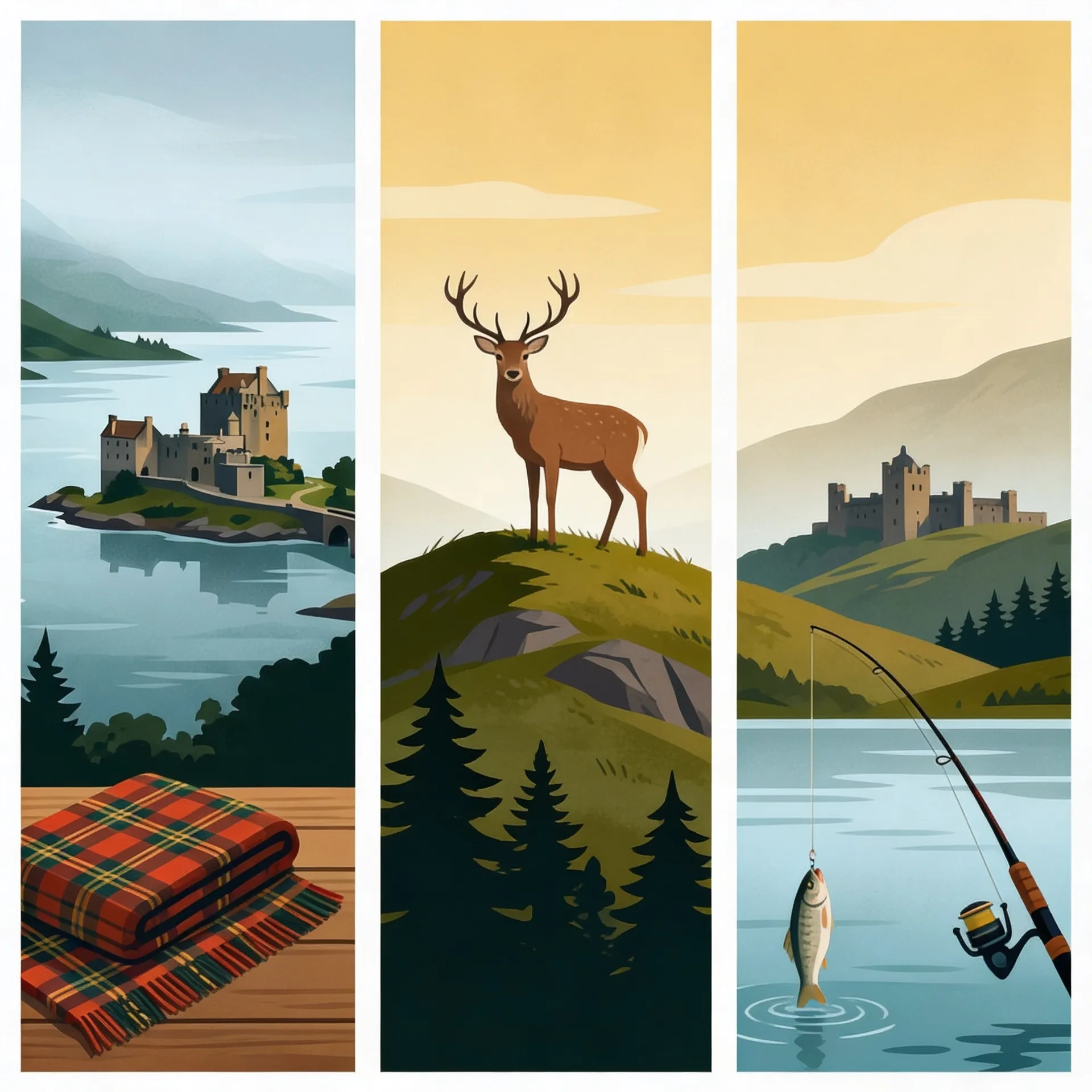
Scotland’s Highlands are a treasure trove of prehistoric wonders, where ancient standing stones, brochs, and cairns tell stories of life, death, and ritual thousands of years ago. From the Neolithic era to the Iron Age, these sites offer a glimpse into a time when engineering and astronomy were as intertwined as survival and spirituality. This guide takes you on a practical, sequential journey through the Highlands to explore its most fascinating prehistoric sites. Along the way, you’ll discover the best routes, estimated travel times, and ideal lunch stops, making it easy to immerse yourself in the ancient landscape.
History & Significance
The Scottish Highlands have been a hub of human activity for millennia. The Neolithic period (around 4000-2500 BC) saw the rise of stone circles and cairns, often aligned with celestial events. These sites served ritual and burial purposes, offering a glimpse into the spiritual lives of early communities. During the Iron Age (roughly 800 BC-AD 100), brochs - fortified roundhouses - became dominant, showcasing advanced dry-stone construction techniques. The Highlands’ rugged terrain and remote beauty have preserved many of these sites remarkably well, providing an unparalleled opportunity to step back in time.
Visiting Today
Start in Inverness: Clava Cairns
Your journey begins just six miles east of Inverness at Clava Cairns, a well-preserved Bronze Age site dating back to around 2500 BC. This complex comprises three passage tombs surrounded by standing stones, all carefully aligned to the winter solstice. It’s an atmospheric location, particularly in the early morning or late afternoon light.
Driving from Inverness city centre takes about 15 minutes via the B9006. There is a small car park at the site, and the cairns are a short 15-minute walk from there. Plan to spend about an hour exploring the site and its surroundings. If you have extra time, consider a detour to Culloden Battlefield, just a mile away, for a contrasting slice of history.
Head West: Glenelg Brochs
From Clava Cairns, drive west towards the Glenelg Brochs, about 65 miles away. The route via the A82 and A87 takes approximately 1 hour and 40 minutes. These brochs, named Dun Telve and Dun Troddan, are among the best-preserved Iron Age structures in Scotland. Dun Telve, in particular, boasts walls that still stand over 13 metres tall in places, providing a vivid sense of their original grandeur.
Park near Glenelg village and take a one-mile hike to reach the brochs. The walk is scenic, with views of the surrounding hills and the possibility of spotting local wildlife. Allow at least an hour to explore both sites. For lunch, stop at the Glenelg Inn, known for its welcoming atmosphere and locally sourced dishes. Their seafood chowder is a highlight.
Cross to Skye: Rubh’an Dunain Chambered Cairn
Next, make your way to the Isle of Skye via the Skye Bridge, which is free to cross. From Glenelg, the drive to the bridge takes about 30 minutes along the A87. Once on Skye, head towards the remote Rubh’an Dunain Chambered Cairn, located on the island’s southwestern coast.
This chambered tomb, dating back to around 3000 BC, is a hidden gem. Its remote location requires some determination to visit: park near the start of the coastal walk and prepare for a 2-mile hike along rugged terrain. The site’s setting, overlooking Loch Brittle, is breathtaking, so take time to soak in the views. Pack snacks and water for this leg of the journey, as facilities are limited in this area.
Travel South: Kilmartin Glen
For the final stop, head south to Kilmartin Glen, one of Scotland’s richest prehistoric landscapes. From Skye, the drive to Kilmartin via the A87 and A816 takes approximately 3 hours and 30 minutes (165 miles). Break up the trip with a stop in Oban, where you can enjoy fresh seafood at one of the harbour-side restaurants.
Once in Kilmartin Glen, explore its 800 monuments, including the Temple Wood stone circle and the Nether Largie standing stones. The Kilmartin Museum is an excellent place to begin, offering detailed insights into the area’s history. It’s open from 10am to 5:30pm (April to October) and has a café for refreshments. The surrounding trails range from 1 to 5 miles, so wear sturdy walking boots and plan to spend several hours here.
Key Takeaways
- Start your journey at the atmospheric Clava Cairns near Inverness, just 15 minutes from the city centre.
- Visit the Glenelg Brochs to experience some of Scotland’s best-preserved Iron Age architecture.
- Explore the remote Rubh’an Dunain Chambered Cairn on the Isle of Skye, where stunning scenery meets ancient history.
- Finish at Kilmartin Glen, a hub of prehistoric monuments with a museum for added context.
- Plan your trip carefully, as some sites require hikes and facilities are limited in remote areas.
Frequently Asked Questions
What are brochs in Scotland?
Brochs are Iron Age roundhouses built using dry-stone construction. Thought to be defensive structures or status symbols, they feature thick walls with internal chambers and stairs. The Glenelg Brochs, Dun Telve and Dun Troddan, are excellent examples in the Highlands.
Where are the best standing stones in the Highlands?
Some of the best examples include the Clava Cairns near Inverness and the Nether Largie Standing Stones in Kilmartin Glen. Both sites are part of larger ritual landscapes with significant astronomical alignments.
How old are Scotland’s prehistoric sites?
Scotland’s prehistoric sites date back to the Neolithic period (around 4000 BC) and continue through the Bronze Age and Iron Age, spanning thousands of years of continuous human activity.
Exploring Scotland’s prehistoric past is a journey through time and landscape, connecting you to the lives of ancient communities. By following this route, you’ll experience the Highlands’ most significant standing stones, brochs, and cairns, all while enjoying the region’s natural beauty and hospitality. For more inspiration, check out the Pictish trail or visit the Grey Cairns of Camster.
Share this story
Enjoyed this read? Share it with fellow travellers on Facebook, X (Twitter), LinkedIn, or send the link to a friend.