castles
What happened to Scottish clans after Culloden?
Exploring the fate of Scottish clans after Culloden and the profound changes to Highland traditions
By Highland Explorer Editorial, Highland History Expert - - 4 min read
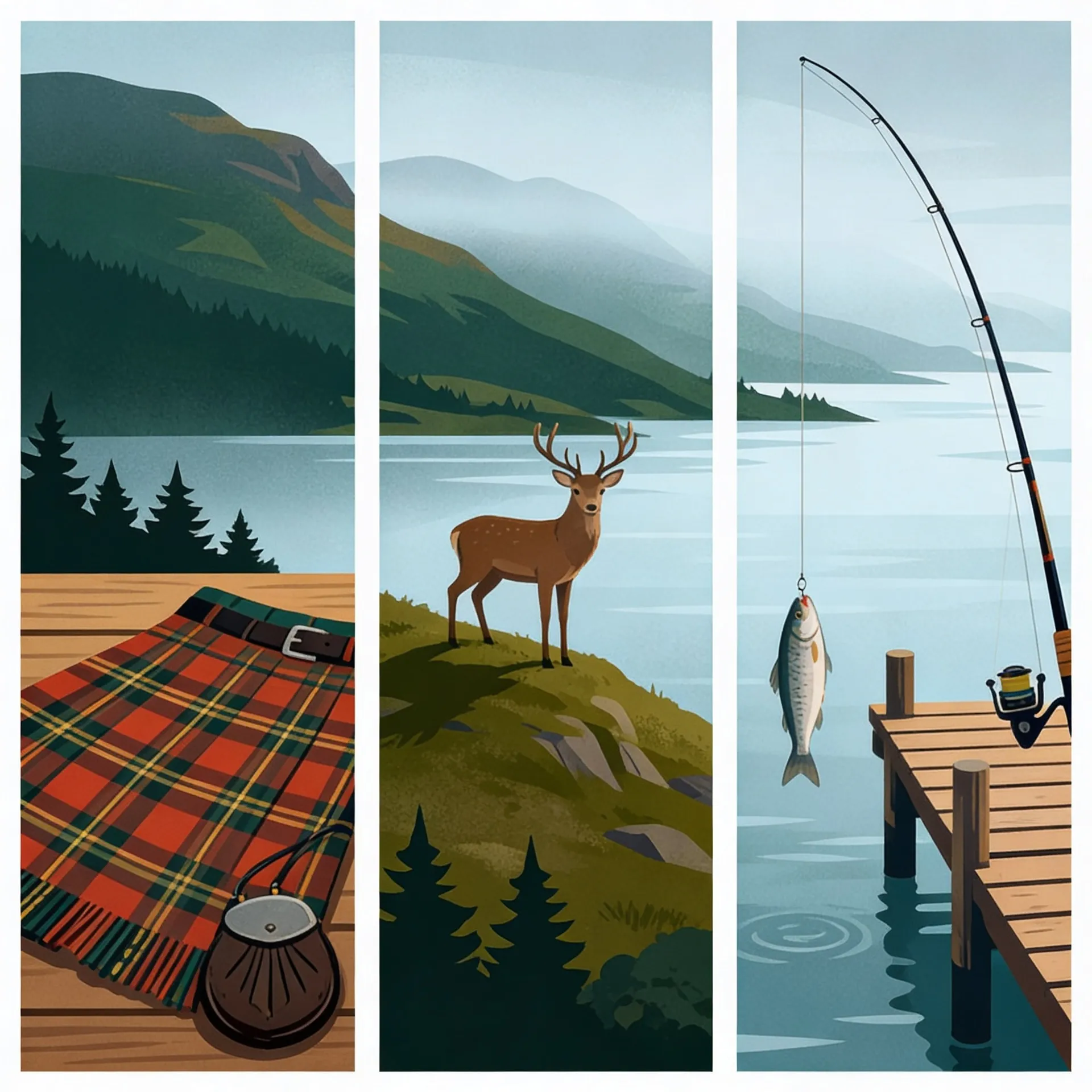
Imagine discovering that your great-great-grandmother was a MacLeod. It’s thrilling to picture her life in the wild, untamed Highlands, surrounded by kin and tied to a clan that had existed for centuries. But then you hear about Culloden, the last battle of the Jacobite Rising in 1746, and wonder: what happened to the Scottish clans after that fateful day? Let’s explore the profound changes that followed, and how the clans endured despite it all.
What happened to Scottish clans after Culloden?
The Battle of Culloden was devastating not just in its immediate violence but in its aftermath. The British government saw the clan system as a threat to stability, particularly after its role in supporting the Jacobite cause. To crush this ancient way of life, laws were enacted to dismantle its structure.
The Disarming Act of 1746 banned Highlanders from carrying weapons, and the Act of Proscription outlawed the wearing of tartan, kilts and even playing the bagpipes. These cultural symbols were seen as tools of rebellion. At the same time, the Heritable Jurisdictions Act stripped clan chiefs of their judicial and military powers, severing their traditional role as leaders of their people.
Many Jacobite-supporting chiefs lost their estates, which were confiscated by the Crown. Some were sold off to pay debts or fund government projects, while others were managed by trustees. Highlanders faced executions, forced exile or conscription into the military. This shattered the bond between chief and clansman that had defined the clan system for centuries.
Even before Culloden, clan chiefs had begun to adopt the practices of Lowland landlords. After the battle, this transition quickened, with tacksmen (middlemen who rented land from the chiefs) taking over community management. The Gaelic language was suppressed, and young heirs were often sent to English-speaking schools to weaken their ties to Highland culture.
By the late 18th century, the Highland Clearances compounded these changes. Chiefs, now acting as landlords, evicted tenants in favour of large-scale sheep farming. Some clans voluntarily emigrated, while others were forcibly displaced. Yet, despite this turmoil, many Highlanders found ways to preserve their heritage, whether through emigration, enlistment in Highland regiments, or the eventual revival of clan symbols in the 19th century.
Key Takeaways
- The Battle of Culloden marked the beginning of the end for the traditional clan system, with laws passed to suppress Highland culture and power.
- Clans were not banned outright, but their feudal structures were dismantled, and chiefs lost their judicial and military authority.
- The Highland Clearances further displaced communities, with tenants evicted to make way for sheep farming.
- Despite centuries of hardship, clans survived as social and cultural entities, and tartan and Highland traditions were revived in the 19th century.
- Today, clans exist as heraldic organisations, preserving their history and fostering connections among descendants worldwide.
Frequently Asked Questions
Were Scottish clans banned after Culloden?
No, Scottish clans were not banned as entities, but their power and influence were deliberately dismantled. Laws like the Act of Proscription targeted cultural symbols, while the Heritable Jurisdictions Act removed the authority of chiefs. The clan system’s traditional structure was effectively abolished.
When was the clan system abolished?
The clan system was never formally abolished with a single act, but its decline began immediately after Culloden in 1746. The combination of legal changes, economic shifts and the Highland Clearances effectively ended the traditional clan structure by the late 18th century.
As you begin your journey to learn more about your MacLeod ancestry, remember that the story of the clans is one of resilience and adaptation. The symbols of clan life - tartan, ancestry and kinship - remain powerful to this day. Why not explore your clan’s ancestral seat or learn more about the Battle of Culloden? You’re stepping into a rich history that has shaped Scotland and its diaspora around the world. Welcome to your heritage. Let the adventure begin!
Share this story
Enjoyed this read? Share it with fellow travellers on Facebook, X (Twitter), LinkedIn, or send the link to a friend.