hiking
The Glencoe Massacre: History on the Mountains
Exploring Glencoe's tragic past while trekking through its breathtaking mountainous landscapes.
By Highland Explorer Editorial, Highland Expert - - 3 min read
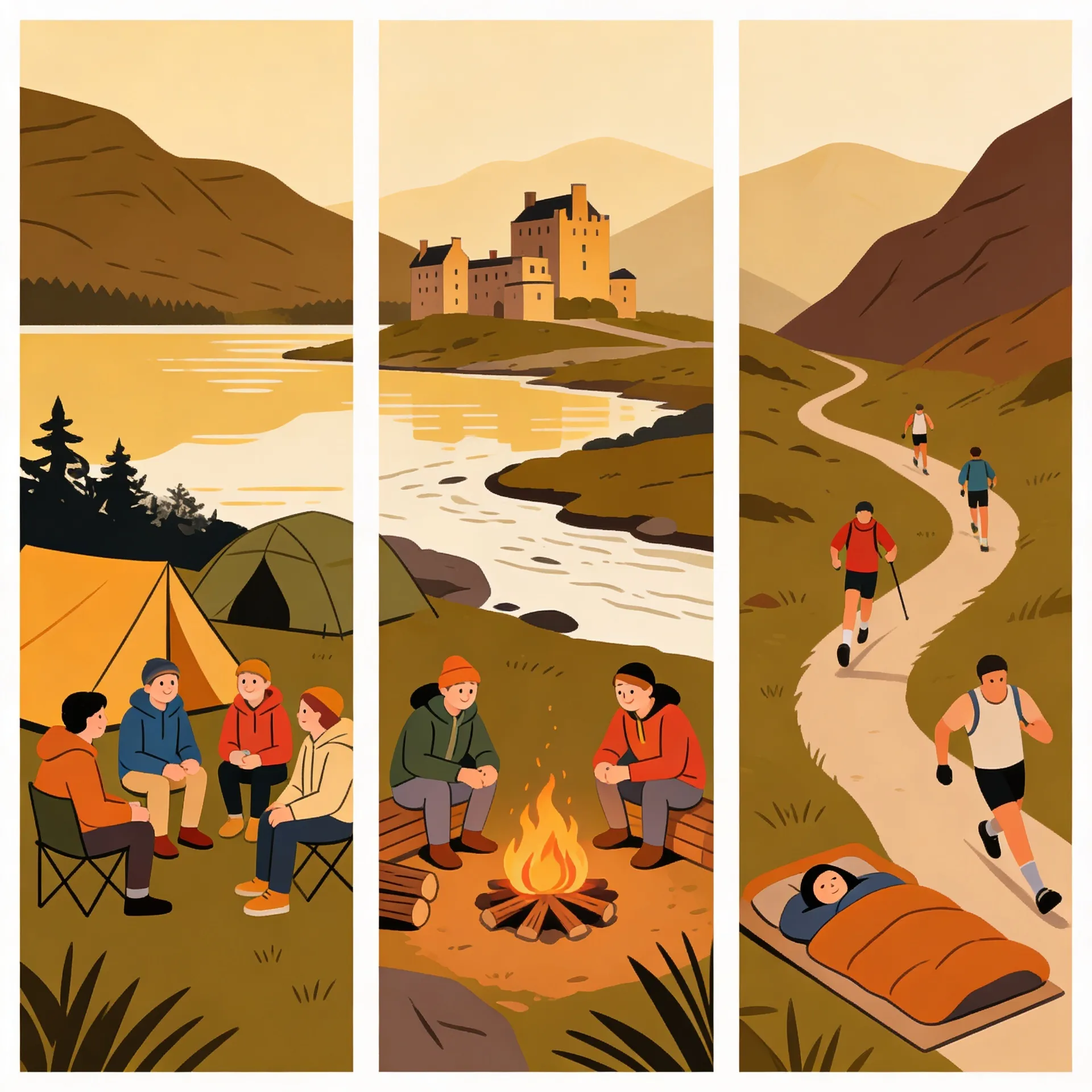
The dramatic landscapes of Glencoe hold a tragic and chilling story: the Glencoe Massacre of 1692. This infamous event, deeply tied to the valley's rugged terrain, saw betrayal and bloodshed unfold amidst the MacDonald clan's villages. Exploring the area today reveals not only its natural beauty but also poignant reminders of this dark chapter in Highland history. Whether you're visiting Signal Rock, the Lost Valley or the Glencoe Visitor Centre, the landscape tells a tale of survival, resilience and sorrow.
The Glencoe Massacre
The Glencoe Massacre took place on 13 February 1692 when government soldiers under Captain Robert Campbell carried out a brutal dawn raid against the MacDonald clan. After enjoying 12 days of Highland hospitality in MacDonald homes, the soldiers turned on their hosts, killing 38 men, women and children in the villages of Achtriachtan, Achnacon and Inverrigan. The attack was ordered as punishment after the MacDonald chief, Alasdair MacIain, failed to meet the deadline for pledging loyalty to King William of Orange.
Many survivors fled into the unforgiving winter conditions of Glencoe's mountains and glens. Blizzard conditions and freezing temperatures claimed further lives, with the valley's topography playing a key role in both the massacre and the desperate escapes. The event left an indelible mark on Glencoe, turning it into a "sacralised landscape" remembered for betrayal and tragedy.
Today, visitors can explore key sites tied to the massacre, including Signal Rock, believed to be where the attack signal was given, and the Lost Valley, where survivors sought refuge. Interpretive displays at the NTS Glencoe Visitor Centre provide further insight into the massacre and its legacy.
Key Takeaways
- Signal Rock: Accessible via a 3km return trail from the A82. Signal Rock is traditionally thought to be where the order for the attack was issued.
- The Lost Valley: Used as a refuge by fleeing MacDonalds, this hidden glacial valley is reached via a steep 1.5km path. Suitable for fit walkers with proper footwear.
- NTS Glencoe Visitor Centre: Located on the A82, the centre features exhibits and a film on the massacre, along with archaeology linked to the event.
- Memorial Cairn: Situated at Invercoe, a short walk from the car park, this cairn commemorates the victims of the massacre.
- Seasonal Considerations: Snow and ice can linger into late spring. Check conditions before hiking and ensure proper equipment for higher elevations.
Frequently Asked Questions
What happened in the Glencoe Massacre?
The Glencoe Massacre occurred on 13 February 1692 when government soldiers, hosted by the MacDonalds for 12 days, turned on their hosts and killed 38 clan members. Many others died fleeing into a harsh winter landscape.
Where is the memorial?
The memorial cairn is located at Invercoe, about 1km north of the NTS Visitor Centre. It's a short walk from the nearby car park and offers a quiet spot for reflection.
Can you visit the massacre site?
Yes, you can visit sites tied to the massacre, such as Signal Rock and the Lost Valley. The NTS Glencoe Visitor Centre provides further context and maps to help you explore these historic locations.
For more guidance on exploring the area, including practical tips and hiking details, see our Glencoe guide. Whether you're drawn by history or the dramatic scenery, Glencoe offers a unique and moving experience for visitors.
Share this story
Enjoyed this read? Share it with fellow travellers on Facebook, X (Twitter), LinkedIn, or send the link to a friend.