castles
The Battle of Inverlochy: the forgotten Highland battle
Uncovering the history and legacy of a pivotal yet overlooked clash in Scotland's Highlands.
By Highland Explorer Editorial, Highland History Expert - - 6 min read
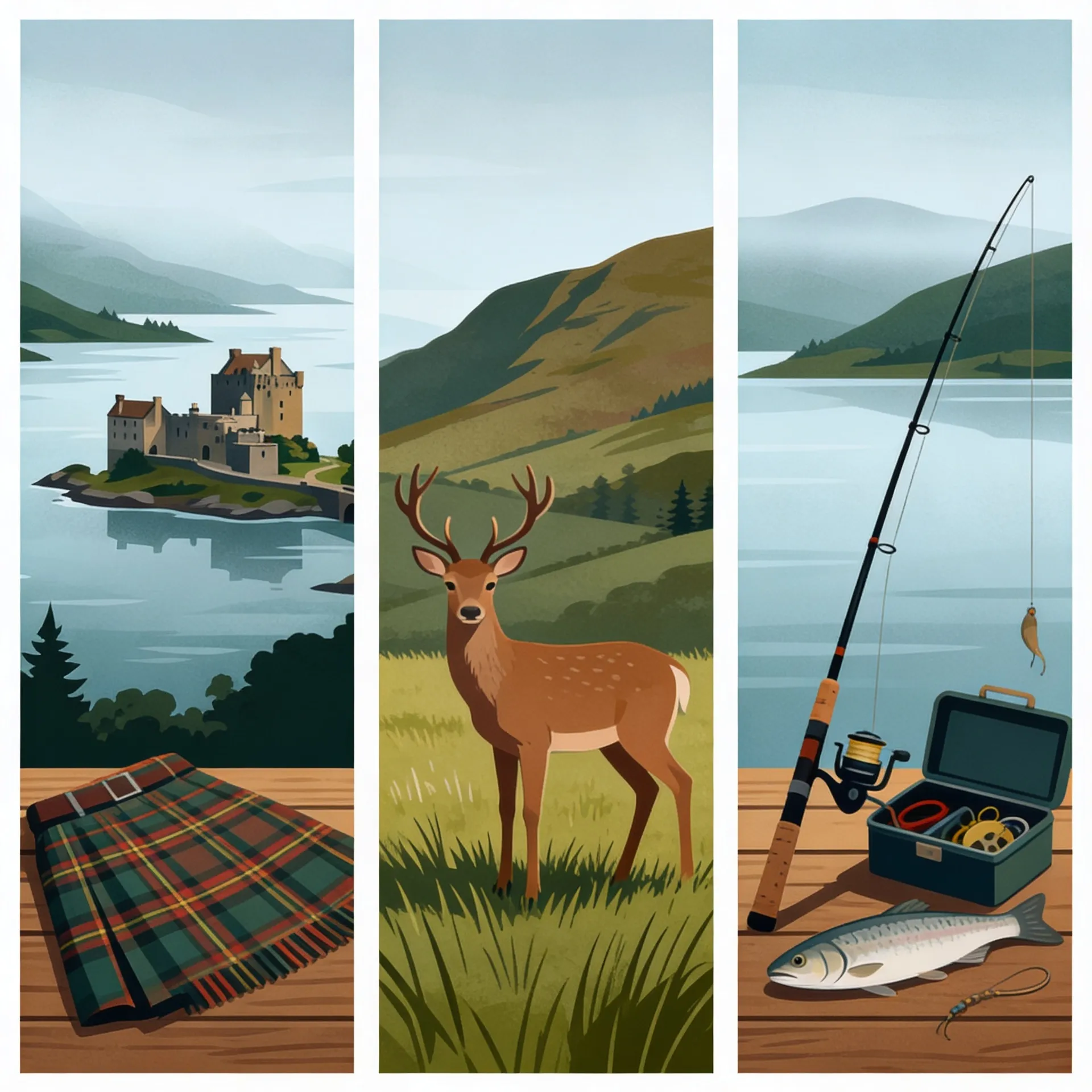
The Battle of Inverlochy stands as one of the most striking and decisive Highland conflicts, yet it often remains overshadowed by more famous events like Culloden. Fought on 2 February 1645 amidst the unforgiving winter landscape near present-day Fort William, this clash between Royalist and Covenanter forces was a pivotal moment in the Wars of the Three Kingdoms. It showcased the tactical brilliance of James Graham, Marquess of Montrose, and the formidable resilience of Highland warriors. Today, the battlefield offers a contemplative site for visitors seeking to immerse themselves in Scotland’s tumultuous history.
History & Significance
The Battle of Inverlochy unfolded as part of Montrose's audacious 1644-45 campaign to restore Royalist authority in Scotland during the Wars of the Three Kingdoms. The conflict pitted Montrose's force of around 1,500 Highlanders and Irish troops against a larger Covenanter army of 2,000-3,500 men led by the Marquess of Argyll. Montrose’s victory at Inverlochy marked a turning point in Highland warfare, demonstrating the strategic potential of clan unity and the devastating effectiveness of unconventional tactics.
Following a winter spent raiding Campbell territory in Argyllshire, Montrose led his army northward in January 1645. Pursued by Argyll’s Covenanter forces, Montrose executed one of the most remarkable manoeuvres in Scottish military history. Over the course of a single night, he marched his troops 30 miles through snow-covered mountains around Ben Nevis, circling behind the unsuspecting Covenanter army encamped near Inverlochy. This gruelling march showcased not only Montrose’s strategic genius but also the endurance and discipline of his forces, which included Highland clans such as the Camerons, Macleans, and MacDonalds, alongside the Irish Brigade under Alasdair Mac Colla.
At dawn on 2 February, Montrose launched a surprise attack. The Royalists struck with ferocity, their Irish flanks firing devastating musket volleys before closing in with swords and dirks. The Covenanter wings collapsed under the onslaught, and Montrose’s forces pursued the fleeing enemy relentlessly, cutting down fugitives as far as 10 miles away. The battle ended in a decisive Royalist victory, with Covenanter casualties estimated at 1,500-1,800 dead, compared to minimal losses on Montrose’s side. Among the dead was Sir Duncan Campbell of Auchinbreck, a key Covenanter commander.
This triumph shattered the Covenanters’ aura of invincibility and proved the effectiveness of Highland and Irish irregular forces against larger, more conventional armies. For Montrose, it was not only a tactical but also a symbolic victory, as it demonstrated the potential for unity among Scotland’s often fractious clans. The victory at Inverlochy also diverted Covenanter attention from England, aiding the Royalist cause more broadly.
Visiting Today
The battlefield of Inverlochy is a poignant and evocative site, offering a window into one of Scotland’s most dramatic military episodes. Located just a mile north of Fort William, the battlefield lies on the raised beach where the River Lochy meets the head of Loch Linnhe. Nearby, the ruins of Inverlochy Castle stand as a silent sentinel over the scene, adding to the historical atmosphere of the area.
Visitors can start their exploration at the car park near Inverlochy Castle (grid reference NN116774). From there, well-marked public footpaths lead through the battlefield, with interpretive signage providing insights into the events of 1645. The terrain is a mix of farmland and wooded areas, and while there are no large monuments, the sense of history is palpable. The imposing presence of Ben Nevis to the east underscores the harshness of the environment in which the battle was fought.
The site is accessible year-round. However, winter visitors should come prepared for potentially challenging weather conditions, as snow can make footing difficult. Sturdy walking boots are highly recommended. Admission is free, and there are no gates or official opening hours, allowing for quiet reflection at any time of day. For those seeking a deeper understanding of the battle, local operators such as Highland Wildcat Tours offer seasonal guided tours.
To complement your visit to the battlefield, consider exploring the nearby West Highland Museum in Fort William. The museum houses artefacts and exhibits related to Highland history, including the Wars of the Three Kingdoms and the Jacobite risings. Additionally, the site’s proximity to other historic locations, such as the Glencoe Massacre site, makes it an ideal stop on a broader exploration of Scotland’s turbulent past. For more on this, see our detailed guide to the Glencoe Massacre.
Key Takeaways
- The Battle of Inverlochy occurred on 2 February 1645 near present-day Fort William, with Montrose’s Royalist forces defeating a larger Covenanter army.
- Montrose’s daring night march around Ben Nevis was a masterstroke of strategy, catching the Covenanters completely off guard.
- Casualties were heavy on the Covenanter side, with 1,500-1,800 killed, compared to minimal losses for the Royalists.
- The site offers a contemplative experience, with interpretive signage and the ruins of Inverlochy Castle providing historical context.
- Accessible year-round, the battlefield is an essential stop for those interested in Highland military history.
- Nearby attractions, such as the West Highland Museum and Glencoe, enrich a visit to the area.
Frequently Asked Questions
Where was the Battle of Inverlochy?
The Battle of Inverlochy was fought near the present-day town of Fort William in the western Highlands of Scotland. The battlefield lies at the head of Loch Linnhe, close to the ruins of Inverlochy Castle.
Who won the Battle of Inverlochy?
The Royalists, led by James Graham, Marquess of Montrose, won a decisive victory at the Battle of Inverlochy. Their forces defeated the larger Covenanter army commanded by the Marquess of Argyll.
Can you visit the battlefield?
Yes, the battlefield is open to visitors year-round and is free to access. Located just a mile north of Fort William, it features public footpaths and interpretive signage, making it an accessible and educational site for history enthusiasts.
The Battle of Inverlochy, though less renowned than events like Culloden, remains a cornerstone of Highland history. Its story of resilience, strategy, and sacrifice resonates deeply, inviting visitors to reflect on the enduring legacy of Scotland’s past. To further explore the region’s history, consider following the Jacobite trail, where the echoes of triumph and tragedy are never far away.
Share this story
Enjoyed this read? Share it with fellow travellers on Facebook, X (Twitter), LinkedIn, or send the link to a friend.