castles
The Jacobite trail: following Bonnie Prince Charlie through the Highlands
Retrace the footsteps of Bonnie Prince Charlie across Scotland's dramatic Highlands and historic landmarks.
By Highland Explorer Editorial, Highland History Expert - - 7 min read
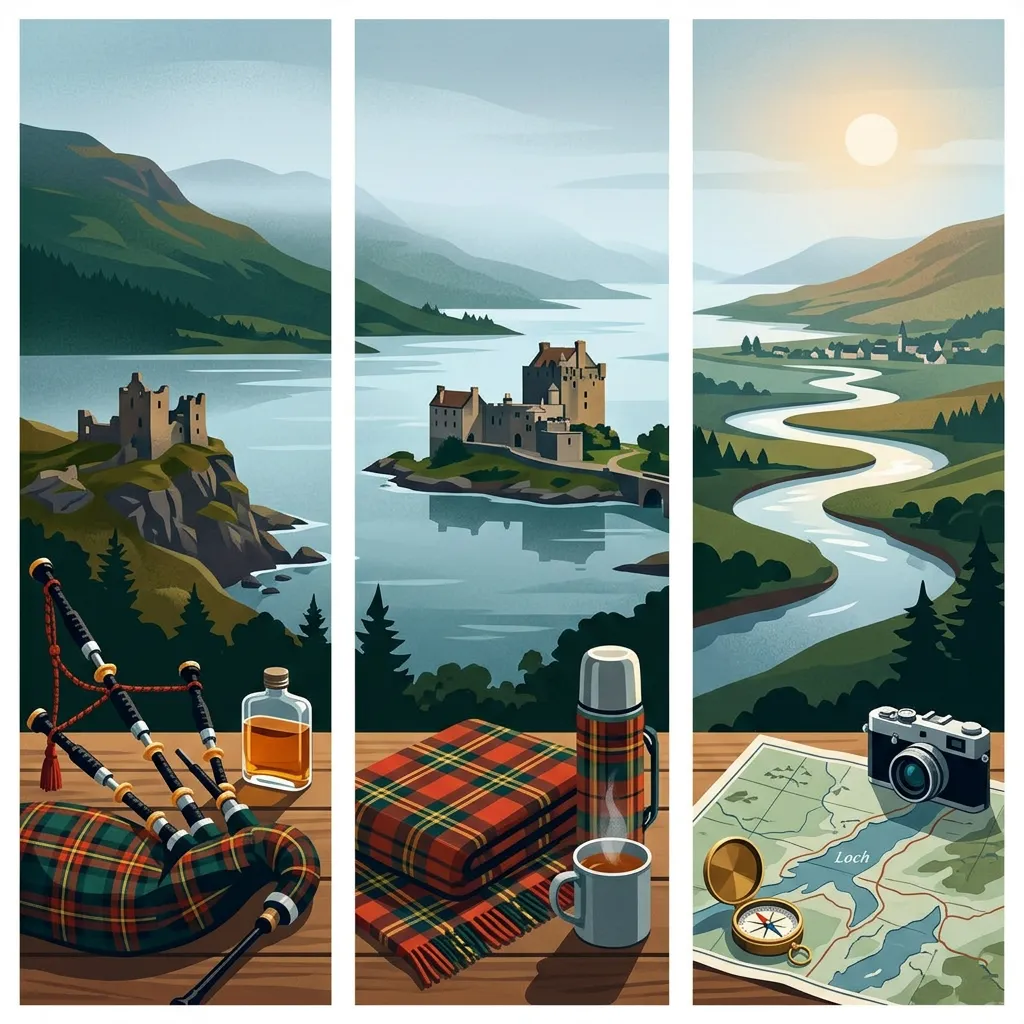
The Jacobite Trail is a journey through one of Scotland's most poignant and turbulent periods of history. It follows the path taken by Charles Edward Stuart, better known as Bonnie Prince Charlie, during the ill-fated Jacobite Rising of 1745-46. This trail invites visitors to walk in the footsteps of the Prince and his followers, who sought to restore the Stuarts to the British throne. The route spans from the dramatic shores of Glenfinnan, where the rebellion began, to the windswept battlefield of Culloden, where it reached its tragic conclusion. This is not merely a scenic drive: it is a pilgrimage through a landscape steeped in blood, loyalty and loss. For many, particularly those with Scottish or Highland ancestry, it is a deeply personal connection to their heritage.
Traversing the Jacobite Trail is an experience that blends history and nature. The Highlands themselves seem to mourn for the lives lost in the cause, with mist-shrouded glens and ancient lochs reflecting the sombre beauty of the land. It is a journey to remember, honour and learn from a history that shaped Scotland forever.
What to Expect
The Jacobite Trail encompasses a range of historic sites, scenic vistas, and moments of reflection. Visitors will find themselves immersed in locations that were pivotal to the 1745 Rising. From the stirring sight of the Glenfinnan Monument, which marks where the Jacobite standard was raised, to the haunting fields of the Culloden Battlefield, the trail is both a history lesson and an emotional journey.
The trail is not simply about military engagements: it also reveals the enduring cultural, social and physical impact of the Risings. Expect to encounter memorials, visitor centres with interactive exhibits, and the breathtaking natural beauty of the Highlands. Each location is a chapter in the story of the Jacobites, and together they form a tapestry of bravery, tragedy, and resilience.
History
The Beginning: Glenfinnan and the Raising of the Standard
On 19 August 1745, a small band of Jacobite supporters gathered at Glenfinnan, a remote and dramatic location by the shores of Loch Shiel. It was here that Bonnie Prince Charlie raised the royal standard of the House of Stuart, signalling the start of the last Jacobite Rising. The Prince, then just 25 years old, had arrived from France with hopes of rallying the Highland clans to his cause. Against the backdrop of the rugged hills and lochs, his call to arms was answered by a few hundred men, a number that would grow as the rebellion gained momentum.
The March South
In the months that followed, the Jacobite army marched south, capturing Edinburgh and winning a decisive victory at Prestonpans. Their campaign reached as far as Derby in England, only 125 miles from London. However, doubts among the commanders and the lack of widespread support in England led to a retreat northward. The initial optimism that surrounded the Rising began to falter as supply lines grew strained and morale diminished.
The End: Culloden and the Aftermath
The Jacobite cause met its end on 16 April 1746, on the moor of Culloden, near Inverness. The battle lasted less than an hour but resulted in devastating losses for the Jacobite army. The government forces, led by the Duke of Cumberland, were well-organised and heavily armed. In contrast, the Jacobites were outnumbered and poorly supplied. The aftermath of the battle was brutal: wounded Jacobites were executed, families were displaced, and Highland culture was systematically dismantled. The Battle of Culloden marked not only the end of the Rising but also the beginning of a harsh crackdown on the Highlands, including the banning of tartans and clan gatherings.
Visiting Today
Opening Times Both the Glenfinnan Monument and Culloden Battlefield are open year-round but may have reduced hours in winter. Check the National Trust for Scotland website for specifics. Tickets Admission to the Glenfinnan Monument costs approximately £4.50 for adults; Culloden Battlefield tickets are £14 for adults and £9 for children. Parking Both sites have dedicated parking areas. Glenfinnan also has a nearby train station. Accessibility Both sites offer accessible paths and facilities, though some areas may be uneven or steep. Time Needed Plan to spend 1-2 hours at Glenfinnan and 2-3 hours at Culloden Battlefield to fully appreciate the exhibits and landscapes.Getting There
The Jacobite Trail is best explored by car, enabling visitors to follow the route at their own pace. From Glenfinnan to Culloden, the drive takes approximately two hours via the A82 and A9 roads. Public transport options are available but less convenient for accessing remote sites.
Glenfinnan is located 17 miles west of Fort William. It is easily reached by car or by train, including the famous Jacobite Steam Train. Culloden Battlefield lies just five miles east of Inverness, with regular bus services connecting it to the city centre.
What Not to Miss
- The Glenfinnan Monument: A striking memorial overlooking Loch Shiel, marking the start of the Rising.
- Culloden Battlefield: The site of the last pitched battle on British soil, with a visitor centre and preserved moorland.
- The Clava Cairns: Ancient burial sites near Culloden that add a prehistoric dimension to the journey.
- Loch Ness: En route to Culloden, take in the beauty and mystery of this iconic Scottish loch.
- The Highland Folk Museum: Located in Newtonmore, this open-air museum showcases traditional Highland life and Jacobite-era artefacts.
Key Takeaways
- The Jacobite Trail follows the 1745 Rising from Glenfinnan to Culloden.
- Key stops include the Glenfinnan Monument and Culloden Battlefield.
- The journey is about 2 hours by car, with stunning Highland scenery along the way.
- Both major sites offer visitor centres with exhibits and guided tours.
- The trail is a deeply emotional and educational exploration of Scottish history.
For more on this area, see our guide to Culloden to Glenfinnan driving route.
Frequently Asked Questions
How long does the Jacobite trail take to drive?
The route from Glenfinnan to Culloden can be driven in approximately two hours. However, to fully appreciate the historical sites and surrounding landscapes, it is recommended to spread the journey over two to three days. This allows time to explore Glenfinnan, Culloden and other fascinating stops along the way.
Where does the Jacobite trail start and end?
The Jacobite Trail begins in Glenfinnan, where Bonnie Prince Charlie raised the standard in 1745, and ends at the Culloden Battlefield, the site of the final Jacobite defeat in 1746. These two locations bookend the story of the Rising and are essential stops for understanding its history.
What are the essential stops on the Jacobite trail?
The most important stops on the Jacobite Trail are the Glenfinnan Monument where the Rising began and Culloden Battlefield. Other notable locations include the Highland Folk Museum, the Clava Cairns, and the stunning landscapes of Loch Ness and the Great Glen. Each site adds its own perspective to the story of the 1745 Rising.
Can you do the Jacobite trail in one day?
While it is technically possible to drive from Glenfinnan to Culloden in a single day, doing so would leave little time to explore the sites in depth. To experience the full historical and emotional weight of the trail, it is highly recommended to dedicate at least two days to the journey.
Share this story
Enjoyed this read? Share it with fellow travellers on Facebook, X (Twitter), LinkedIn, or send the link to a friend.