hiking
What to Wear Hillwalking in Scotland
Essential clothing tips to stay comfortable, safe, and prepared while hillwalking in Scotland's rugged terrain.
By Highland Explorer Editorial, Highland Expert - - 5 min read
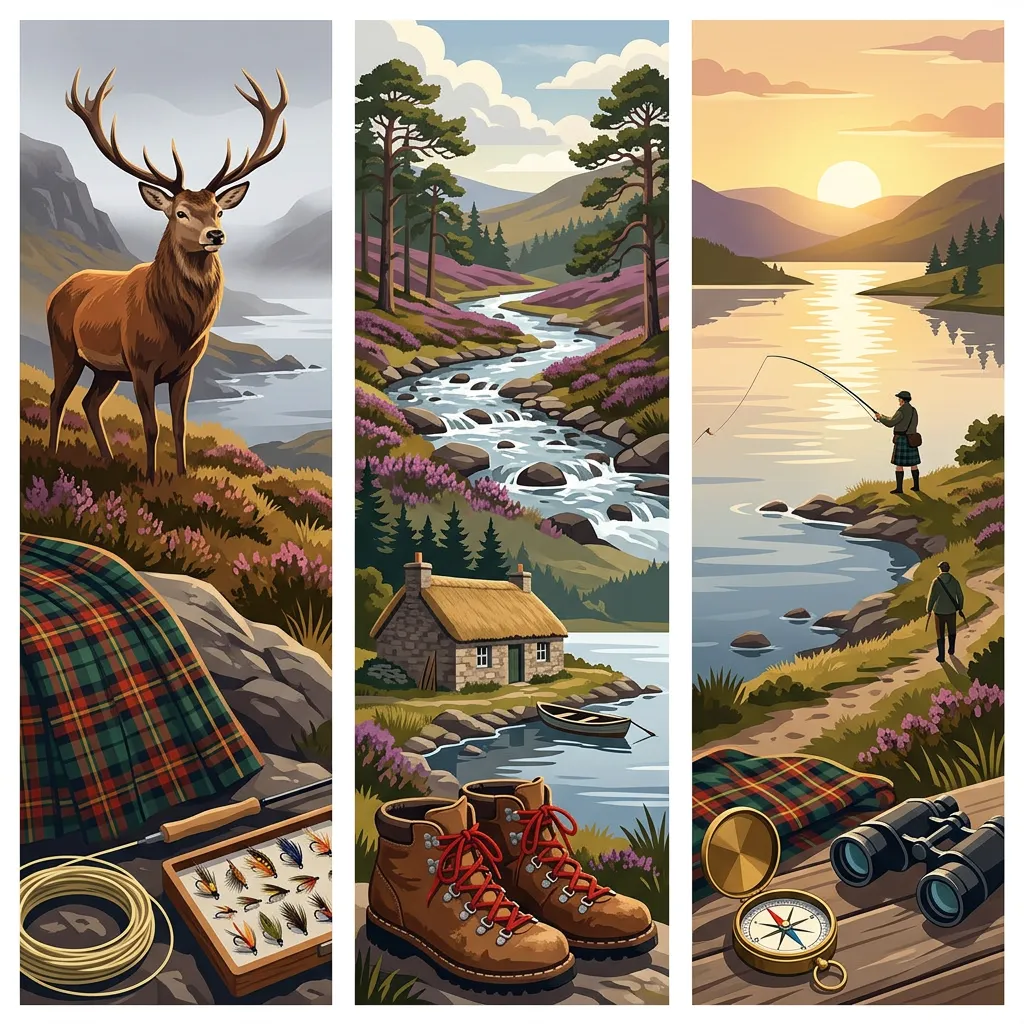
Hillwalking in Scotland is an exhilarating experience, offering breathtaking views, challenging terrain, and a chance to escape into nature. However, the unpredictable weather and varied landscapes mean you need to be prepared with the right clothing and equipment for safety, comfort, and enjoyment. Whether you're climbing Munros or tackling low-level routes, knowing what to wear and bring is essential. In this guide, we’ll break down the key elements of a hillwalking kit list, tailored for Scotland’s conditions.
Layering System: Dressing for Scotland’s Weather
Scotland’s weather can change dramatically over the course of a single hike, so using a layering system is crucial. Layering allows you to adapt to conditions, whether it's rain, wind, or sunshine.
Base Layer
Start with a base layer designed to wick moisture away from your skin. Merino wool and synthetic materials are ideal as they dry quickly and help regulate your body temperature. Avoid cotton, which traps moisture and can leave you feeling cold and clammy. Thermal tops and long johns are perfect for colder months or higher altitudes where temperatures drop significantly.
Mid Layer
For insulation, add a mid layer such as a fleece or softshell jacket. These provide warmth while remaining breathable. A lightweight down or synthetic insulated jacket can also work well for colder days. The key is versatility: you want a layer that can be easily removed or added depending on the conditions.
Outer Layer
Your outer layer protects you against the elements. A breathable, waterproof jacket and trousers are non-negotiable for hillwalking in Scotland. Gore-Tex or similar materials are ideal as they’re durable and effective in heavy rain. Avoid cheap plastic waterproofs, as they tear easily and won’t last on rugged terrain. Brands like Craghoppers offer budget-friendly options worth considering.
Footwear and Leg Protection
Choosing the right footwear is essential for tackling Scotland’s often muddy, rocky, or boggy terrain. Waterproof walking boots with ankle support are a must: they provide grip, protect against water ingress, and help prevent injuries. Trainers or casual shoes are unsuitable for hillwalking as they lack the necessary durability and traction.
Pair your boots with thick wool or synthetic walking socks. Merino wool is particularly effective for warmth and blister prevention. Always carry spare socks, as wet feet can quickly lead to discomfort. Gaiters are highly recommended for boggy, grassy, or snowy ground. They keep your boots and lower legs dry, adding another layer of protection against Scotland’s famously damp conditions.
Head, Hands, and Seasonal Considerations
Even in summer, hillwalking in Scotland can expose you to wind chill and sudden temperature drops, especially above 800 metres. Always pack a warm hat, gloves, and a neckwarmer. For sunny days, include a sun hat, sunglasses, and sunscreen to protect against UV rays, which can be surprisingly strong at altitude.
From May to September, midges can be a nuisance, particularly in the west coast and Highlands. Carry insect repellent to ward off these tiny pests and consider a midge head net for particularly infested areas.
Rucksack and Essentials to Carry
A water-resistant 30-40L daypack is ideal for hillwalks. This size accommodates all your essentials without being overly bulky. Pack strategically to ensure you’re prepared for all eventualities:
- Navigation: Map and compass are essential, even if you’re using GPS. Familiarise yourself with your route beforehand.
- Hydration and Food: Bring at least 2 litres of water and high-energy snacks like nuts, dried fruit, or energy bars.
- Emergency Kit: Include a first aid kit with blister patches, a survival bag, whistle, and head torch. A spare warm layer, such as a fleece or jacket, can be life-saving.
- Optional Extras: Trekking poles can provide stability on steep descents and ease joint pressure during long hikes.
What NOT to Wear
Jeans and cotton clothing should be avoided at all costs for hillwalking in Scotland. Cotton retains moisture, leading to chills and increasing the risk of hypothermia. Trainers, sandals, and flip-flops are unsuitable for walking on uneven, muddy, and often slippery terrain.
Key Takeaways
- Follow a layering system: base layer, mid layer, and waterproof outer layer.
- Invest in waterproof walking boots with ankle support and thick socks.
- Pack a warm hat, gloves, neckwarmer, and insect repellent for midges.
- Carry a 30-40L rucksack with navigation tools, hydration, and emergency kit.
- Avoid cotton clothing, jeans, and inappropriate footwear like trainers.
Frequently Asked Questions
Do I need waterproofs for hillwalking in Scotland?
Yes, waterproofs are essential for hillwalking in Scotland. The weather is highly unpredictable, and rain can occur at any time. Invest in breathable waterproof jackets and trousers to stay dry and comfortable.
What boots should I wear in the Scottish Highlands?
Wear waterproof walking boots with ankle support and a well-gripped sole. Avoid trainers or casual shoes, as they lack the durability and traction needed for Scotland’s rugged terrain.
Do I need gaiters in Scotland?
Gaiters are highly recommended for boggy, grassy, or snowy ground. They help keep your boots and lower legs dry, which is especially useful in areas prone to wet conditions.
What about midges?
Midges are common in Scotland, especially from May to September. Carry insect repellent and consider a midge head net for affected areas. They’re most prevalent in the west coast and Highlands.
Whether you’re climbing Ben Nevis or starting Munro bagging, Scotland’s weather calls for preparation. For more advice on mountain safety in Scotland or ideas on the best Munros for beginners, explore our expert guides. Happy hillwalking!
Share this story
Enjoyed this read? Share it with fellow travellers on Facebook, X (Twitter), LinkedIn, or send the link to a friend.