hiking
Mountain Safety in Scotland: the Essential Guide
How to stay safe while exploring Scotland’s mountains, with tips for preparation and navigation.
By Highland Explorer Editorial, Highland Expert - - 5 min read
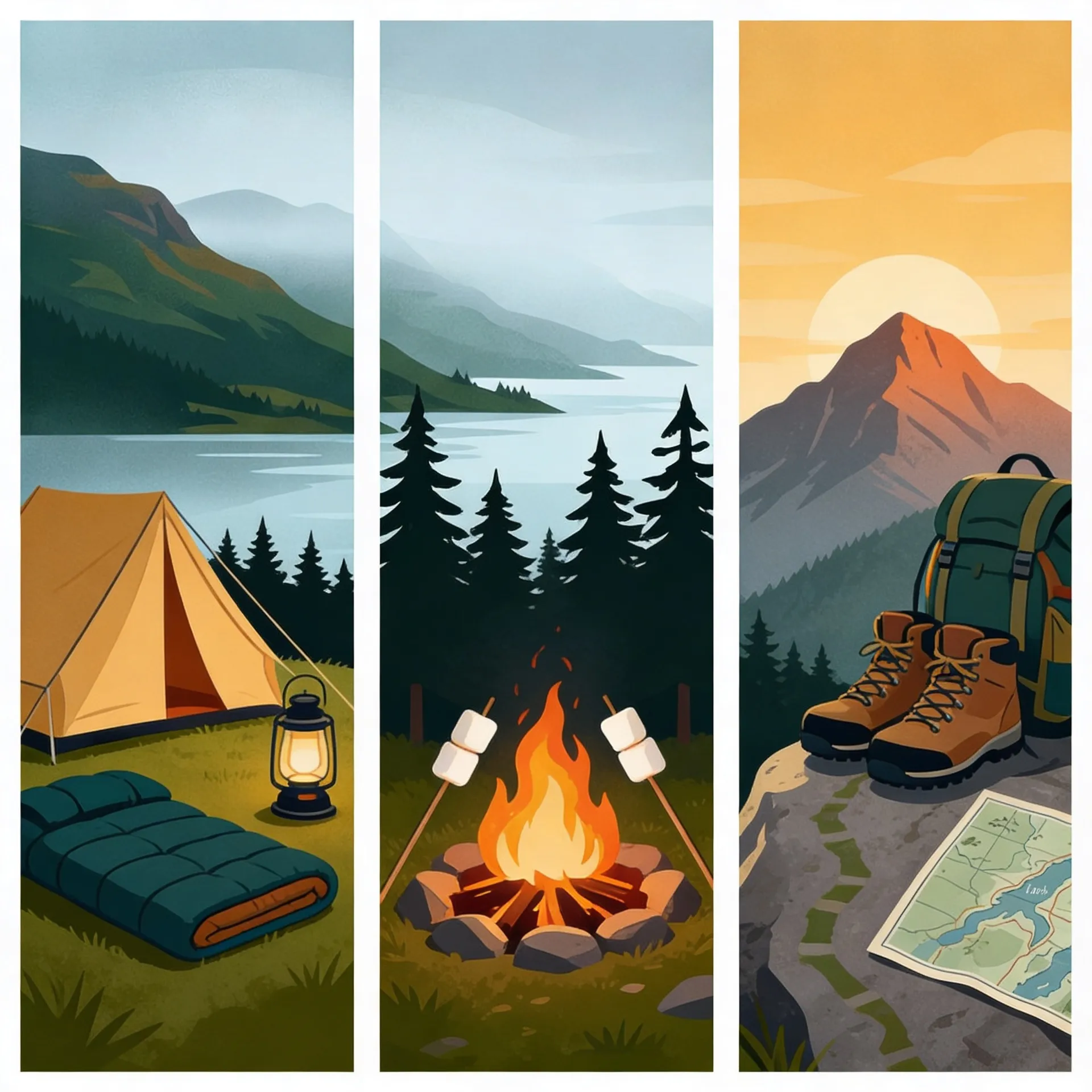
Scotland’s mountains are renowned for their beauty and challenge, attracting adventurers from all over the world. However, their rugged allure is matched by the unpredictable and sometimes perilous conditions they present. Whether you’re tackling Munros, exploring hidden glens, or venturing into the Cairngorms in winter, mountain safety is paramount. This guide will prepare you for safe hillwalking with tried-and-tested advice, ensuring you make the most of Scotland’s wild landscapes without compromising your wellbeing.
Route Overview
Hillwalking safety begins with understanding your chosen route. Scotland’s mountains range from straightforward trails like the Ben Nevis Mountain Track to remote, challenging peaks in the Northwest Highlands. Familiarise yourself with the distance, ascent, estimated time, and features of your walk. For winter expeditions, consult resources like our Cairngorm guide to understand seasonal hazards.
The Walk
Stage 1: Planning Your Adventure
Proper planning is the cornerstone of safe hillwalking. Begin by checking the Mountain Weather Information Service (MWIS) forecast for your intended area. Scotland’s weather can change dramatically - glen-level conditions may seem manageable, but summit winds exceeding 60 mph are dangerous. Always prepare for "four seasons in one day."
Equip yourself with the essentials: layered clothing, waterproofs, sturdy boots, a map and compass, and emergency supplies like a whistle and torch. If the forecast predicts poor visibility or icy conditions, reconsider your route or postpone your walk. Winter hillwalking requires extra precautions, including avalanche awareness. Download the “Be Avalanche Aware” guide to evaluate slopes and snow stability before heading out.
Stage 2: Navigating Safely
Navigation skills are indispensable in Scotland’s mountains. While handheld GPS devices can be useful, they should not replace traditional tools like a map and compass. A one-day navigation course can provide invaluable knowledge, equipping you to interpret contour lines, orient yourself, and follow bearings.
In poor weather, paths can become obscured, and landmarks may be difficult to spot. Clear navigation is particularly critical in areas like the Cairngorm plateau, where white-out conditions are frequent. When exploring new terrain, plan your route in detail beforehand and mark key features to aid navigation.
Stage 3: Responding to Difficult Conditions
Scottish mountains demand respect. If weather deteriorates, assess your position and options. Descend to lower elevations if it is safe to do so, as conditions are often calmer there. If descending is unsafe, seek shelter using natural features like rocks or an emergency bivvy bag. Always know when to turn back, even if you feel committed to reaching a summit. Experienced hillwalkers understand that safety must always take precedence over ambition.
Getting There and Parking
Scotland’s mountains are generally accessible by car or public transport, though remote areas may require careful planning. Some glens, such as Glen Strathfarrar, operate seasonal access arrangements. During winter months, vehicle permits are required, and during summer, access is limited to daylight hours. Check current restrictions before travelling.
Use dedicated car parks where possible, as roadside parking may cause obstruction. Many popular areas, like Glen Coe and the Cairngorms, provide well-signposted facilities. Ensure your car is stocked with essential supplies in case of delays, such as a blanket, snacks, and water.
Key Takeaways
- Plan thoroughly: check weather forecasts, avalanche risks, and access restrictions for your route.
- Equip yourself with essential gear, including layers, waterproofs, a map, compass, and emergency supplies.
- Know how to navigate using traditional tools: GPS devices are a helpful backup, not a primary navigation method.
- Be prepared to turn back or seek shelter in the face of dangerous conditions.
- Respect Scotland’s Outdoor Access Code and seasonal arrangements like deer stalking and glen permits.
Frequently Asked Questions
How do I call mountain rescue in Scotland?
If you encounter an emergency, call 999 and ask for Police, then Mountain Rescue. Use the international distress signal: six whistle blasts or torch flashes, repeated at regular intervals to attract attention.
Is hillwalking in Scotland dangerous?
While hillwalking in Scotland is rewarding, it can be hazardous without proper preparation. Risks include hypothermia, falls, and becoming lost in poor weather. Thorough planning and appropriate gear mitigate these dangers.
Do I need a map and compass in Scotland?
Yes, map and compass skills are vital for navigating Scotland’s mountains, especially in poor weather or remote areas. GPS devices are useful backups but should not replace traditional navigation tools.
What is the biggest danger when hillwalking in Scotland?
The biggest danger is underestimating the unpredictable weather. Rapid changes can lead to poor visibility, hypothermia, or exhaustion. Always check the forecast and be prepared for sudden shifts in conditions.
Hillwalking in Scotland provides unparalleled opportunities to connect with raw nature, but safety must be your priority. By combining preparation, respect for the environment, and realistic decision-making, you can ensure your adventures remain memorable for all the right reasons. For more advice, explore our guide on what to wear hillwalking or tips for starting Munro bagging safely.
Share this story
Enjoyed this read? Share it with fellow travellers on Facebook, X (Twitter), LinkedIn, or send the link to a friend.