Visit
The Black Isle: Complete Visitor Guide
Discover stunning landscapes, rich history, and hidden gems in the heart of Scotland's Black Isle.
By Highland Explorer Editorial, Highland Expert - - 10 min read
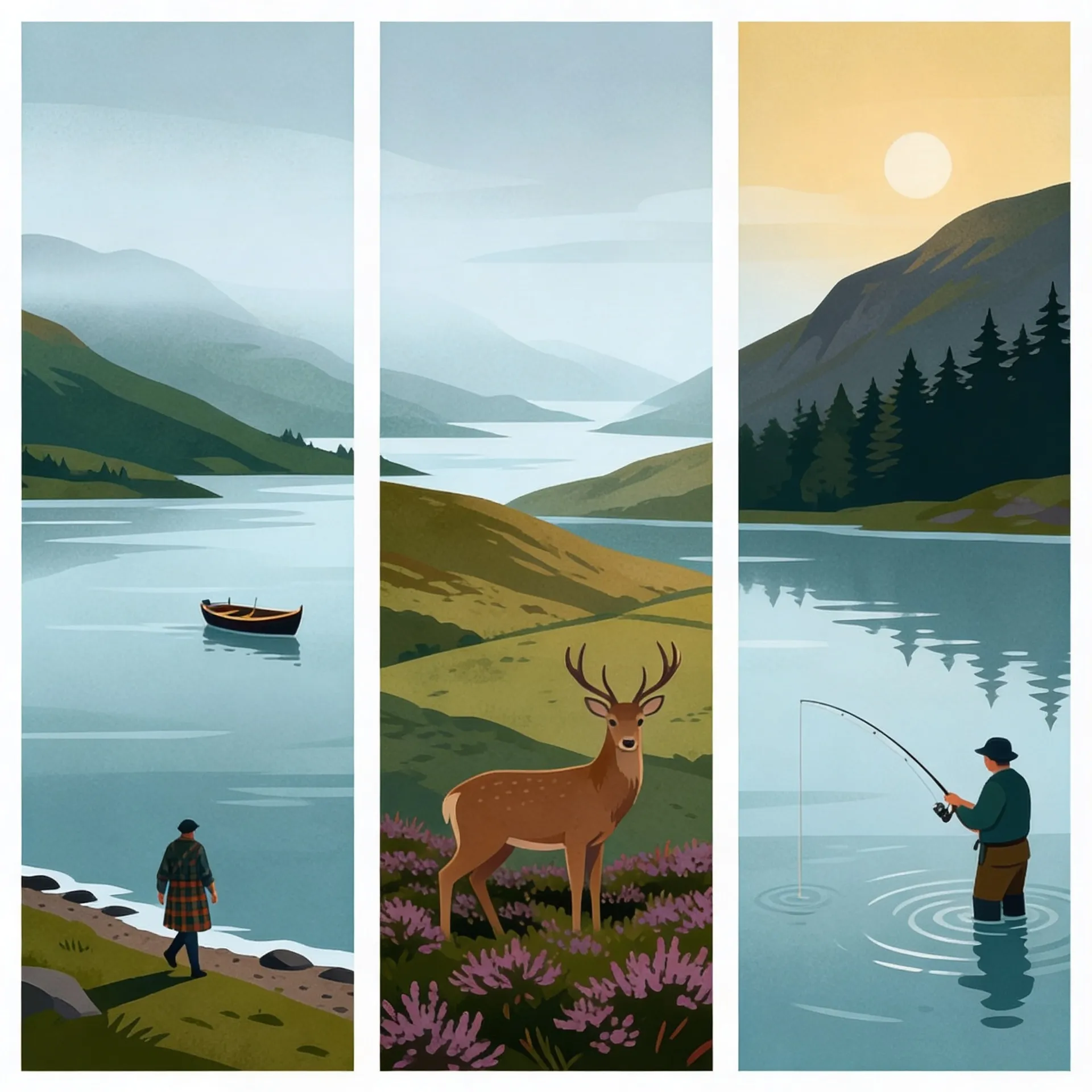
Crossing the Kessock Bridge from Inverness feels like entering another world. The Black Isle, despite its name, is not an island but a peninsula rich in history, wildlife, and stunning scenery. Nestled between three firths—Moray Firth, Beauly Firth, and Cromarty Firth—this tranquil corner of the Scottish Highlands invites visitors to explore its fertile farmland, charming villages, and coastal beauty. Whether you’re drawn by the promise of spotting bottlenose dolphins at Chanonry Point, discovering Pictish history in Rosemarkie, or sipping craft beer at the Black Isle Brewery, the peninsula offers an unforgettable Highland experience.
| Quick Facts |
|---|
| Distance from Inverness: 7.8km (4¾ miles) to North Kessock |
| How to Get There: Via the Kessock Bridge by car or bus |
| Best Time to Visit: May to September |
| Recommended Duration: Half-day to full-day trips, or longer stays to explore |
What Is the Black Isle?
The Black Isle is a unique 100-square-mile peninsula located just north of Inverness, surrounded by water on three sides. Its name derives from the Scots Gaelic words eilean dubh, meaning "black island," likely referring to its rich dark soil rather than its geography. Despite its name, the Black Isle is connected to the mainland and is far from being an island.
Geographically, the peninsula is bordered by the Moray Firth to the east, Cromarty Firth to the north, and Beauly Firth to the south. The Rivers Conon and Beauly form its western edge. The land rises gently, reaching its highest point at Mount Eagle (840 feet), with rolling farmland and pockets of native woodland dotting the landscape. Its fertile soil has supported agriculture for centuries, making it a hub for farming and rural life.
The Black Isle is conveniently accessed via the Kessock Bridge, which connects Inverness directly to the peninsula. This accessibility makes it an ideal destination for day trips from the Highland capital. Visitors can enjoy a mix of outdoor adventures, historical discoveries, and cultural experiences, all set against a backdrop of Highland charm.
Top Things to See and Do on the Black Isle
Chanonry Point: Dolphin Watching Capital of the UK
Chanonry Point, located between Fortrose and Rosemarkie, offers one of the most renowned dolphin-watching experiences in the UK. The resident pod of bottlenose dolphins in the Moray Firth is a major draw for wildlife enthusiasts. These incredible creatures often come close to shore, especially during rising tides, as they hunt for salmon near the point.
To maximize your chances of spotting dolphins, aim to visit during the peak tide times, typically two hours after low tide. Bring binoculars or a zoom camera to capture their acrobatic displays. Chanonry Point is also a great spot for birdwatching, with species such as red kites and oystercatchers regularly seen.
For practical tips and more details, check out our guide to dolphin watching at Chanonry Point.
Fortrose: Cathedral Ruins and Coastal Charm
The town of Fortrose, home to around 1,200 residents, boasts historical and architectural significance. Its crowning jewel is Fortrose Cathedral, a 13th-century ruin that once served as the seat of the Bishops of Ross. Visitors can stroll through the remaining stonework and soak up the atmosphere of this medieval site.
Fortrose also offers coastal beauty, with views across the Moray Firth. Take a leisurely walk along the shoreline, enjoy the peaceful village streets, or visit the nearby Fortrose and Rosemarkie Golf Club, a stunning links course ranked among Scotland's finest.
Rosemarkie: Pictish History and Beach Walks
Rosemarkie is steeped in history, most notably from the Pictish era. The Groam House Museum, located in the village, houses an impressive collection of Pictish stones and artifacts, offering insights into this ancient culture. Don’t miss the finely carved Rosemarkie Stone, which dates back to the 8th or 9th century.
Nature lovers will adore Fairy Glen Nature Reserve, a tranquil woodland area with two cascading waterfalls and scenic walking paths. It’s an ideal spot for a picnic and a chance to reconnect with nature. Rosemarkie Beach, with its wide sandy expanse, is perfect for a relaxing stroll or a picnic by the sea.
Cromarty: The Most Beautiful Small Town in the Highlands
Cromarty, often hailed as one of the most picturesque small towns in Scotland, is brimming with charm. Its historic architecture, narrow streets, and scenic harbor make it a must-visit. The Hugh Miller Museum, dedicated to the eminent geologist and writer, provides fascinating insights into Cromarty's cultural history.
Visitors can also explore the town’s harbor area, take the seasonal ferry to Nigg, or enjoy coastal walks with stunning views over the Cromarty Firth. This peaceful town is an ideal base for exploring the peninsula further.
Black Isle Brewery: Scotland's Original Organic Craft Beer
Founded in 1992, the Black Isle Brewery is a highlight for food and drink enthusiasts. This independent brewery specializes in organic craft beers made using locally sourced ingredients. Join a brewery tour to learn about their production methods and sample their award-winning ales and lagers.
For beer lovers, the brewery’s taproom is a must-visit, offering an array of seasonal brews alongside their classics. Pair your drink with locally produced snacks for the perfect experience.
Fortrose and Rosemarkie Golf Club
Golf enthusiasts will appreciate a round at the Fortrose and Rosemarkie Golf Club. This links course offers breathtaking views of the Moray Firth while challenging players with its natural terrain. Established in 1793, it has a long history and reputation as one of Scotland's top courses.
Getting to the Black Isle
The Black Isle is easily accessible via the Kessock Bridge, located just north of Inverness. If driving, you can reach North Kessock in under 10 minutes. From further afield, Ullapool is approximately 55 minutes west, while Dingwall lies just 20 minutes north of the peninsula.
Bus routes also connect Inverness to key villages such as Fortrose and Cromarty, making public transport a viable option for visitors without a car. For those planning to explore the far north, the Black Isle serves as a gateway to the North Coast 500 complete guide.
Where to Stay on the Black Isle
Accommodation options on the Black Isle cater to a range of budgets and preferences:
- The Anderson Inn (Fortrose): A charming inn with cozy rooms and an excellent gastropub.
- Black Isle Holiday Pods (Rosemarkie): Ideal for families and nature lovers.
- The Royal Hotel (Cromarty): A historic hotel offering comfortable stays with views of the harbor.
Where to Eat and Drink
Local produce comes to the forefront at Black Isle eateries. Try the organic beer at the Black Isle Brewery, alongside hearty Highland fare at The Anderson Inn in Fortrose. The Royal Hotel in Cromarty also serves excellent seafood dishes paired with local ales.
How to Plan Your Visit
For a half-day visit, focus on Fortrose and Chanonry Point for dolphin watching and cathedral ruins. A full-day itinerary can include Rosemarkie’s Fairy Glen and Cromarty’s Hugh Miller Museum. For longer stays, explore the peninsula’s cycling trails and attend local events like the Black Isle Show.
For more on the wider region, read our Inverness travel guide. For more on the wider region, read our whisky distilleries in the Scottish Highlands. For a curated multi-day route through the region, browse our Highland itineraries. For more on the wider region, read our best time to visit the Scottish Highlands.
Walking and Cycling on the Black Isle
The Fairy Glen Walk at Rosemarkie
One of the most enchanting walks on the Black Isle is the Fairy Glen at Rosemarkie, a delightful 40-minute loop through a magical wooded gorge. The path meanders beneath towering trees, their branches forming a natural canopy overhead, making you feel as though you've stepped into another world. Along the way, you'll hear the soothing sound of trickling streams and may spot woodland birds darting through the foliage. The highlight of this walk is the dual waterfalls tumbling into a clear pool at the end of the trail—a perfect spot to pause and soak in the tranquility. Whether you're visiting with family or simply seeking solitude, the Fairy Glen's serene beauty is sure to leave an impression. Don't forget sturdy shoes; this enchanting path can be slippery after rain.
Coastal and Peninsula Cycling Adventures
For cyclists, the Black Isle offers a mix of stunning coastal views and peaceful countryside roads. The coast path is ideal for those seeking a leisurely ride; you can follow the shoreline and stop at secluded beaches for a breather or picnic. For the more adventurous, the route from Fortrose to Cromarty takes you across the tip of the peninsula, offering panoramic views of the Moray Firth and beyond. Along the way, you’ll pedal past charming villages, rolling farmland, and occasional glimpses of local wildlife, including seals basking on the rocks. Cromarty, with its historic harbor and friendly cafes, makes for a perfect finish to your cycling journey. Bring your camera—this route is packed with photo opportunities!
The Black Isle Through the Seasons
Spring Awakens on the Black Isle
Spring on the Black Isle is a time of renewal, and its landscapes come alive with vibrant wildflowers and the playful energy of lambs frolicking in the fields. The air carries a crisp freshness, and walks through the countryside are scented with gorse and blossoming hawthorn. Bluebells carpet the woodland trails, while daffodils line village lanes, creating a painterly scene perfect for photographers and nature lovers alike. Visit local farms during lambing season to learn about rural traditions and perhaps witness a newborn lamb taking its first tentative steps. Spring is also a wonderful time for birdwatching, as migratory species return to the Firth and fill the skies with graceful flight.
Seasonal Highlights: Summer, Autumn, and Winter
Summer is peak dolphin season, with June to August offering the best chance to see these incredible creatures leaping through the waves of the Moray Firth. Charter a boat or simply scan the waters from Chanonry Point, one of Scotland’s premier dolphin-watching spots. Autumn turns the Black Isle into a masterpiece of color, as golden leaves and fiery reds blanket the trees and fields. Woodland walks become a sensory delight, with the crunch of leaves underfoot and the earthy aroma of the season. Winter brings its own drama, with storms often creating dramatic seas and intense skies. Coastal walking in winter is invigorating, with waves crashing against the cliffs and bracing winds that make you feel truly alive. Bundle up and take in nature’s raw power—it’s an unforgettable experience.
Frequently Asked Questions
Is the Black Isle actually an island? No, the Black Isle is a peninsula surrounded by three firths: Moray Firth, Cromarty Firth, and Beauly Firth. Its name derives from the Gaelic words for "black island," which refer to its fertile soil rather than its geography. When is the best time to see dolphins at Chanonry Point? The best time to see dolphins is during rising tides, typically two hours after low tide. Peak dolphin activity occurs between May and September, when salmon migration attracts them close to shore. How far is the Black Isle from Inverness? North Kessock, the gateway village to the Black Isle, is just 7.8km (4¾ miles) north of Inverness. It’s easily accessible by car via the Kessock Bridge or by bus routes that connect key villages to the Highland capital. What is there to do on the Black Isle for a day? For a day trip, start with dolphin watching at Chanonry Point, visit Fortrose Cathedral, walk the Fairy Glen in Rosemarkie, and end with a tour of the Black Isle Brewery. If time allows, explore Cromarty’s harbor and Hugh Miller Museum.Share this story
Enjoyed this read? Share it with fellow travellers on Facebook, X (Twitter), LinkedIn, or send the link to a friend.