Travel
Best Time to Visit the Scottish Highlands: Month-by-Month Guide
Discover the ideal seasons for stunning landscapes, wildlife, and unforgettable Highland adventures.
By Highland Explorer, Editorial Team - - 5 min read
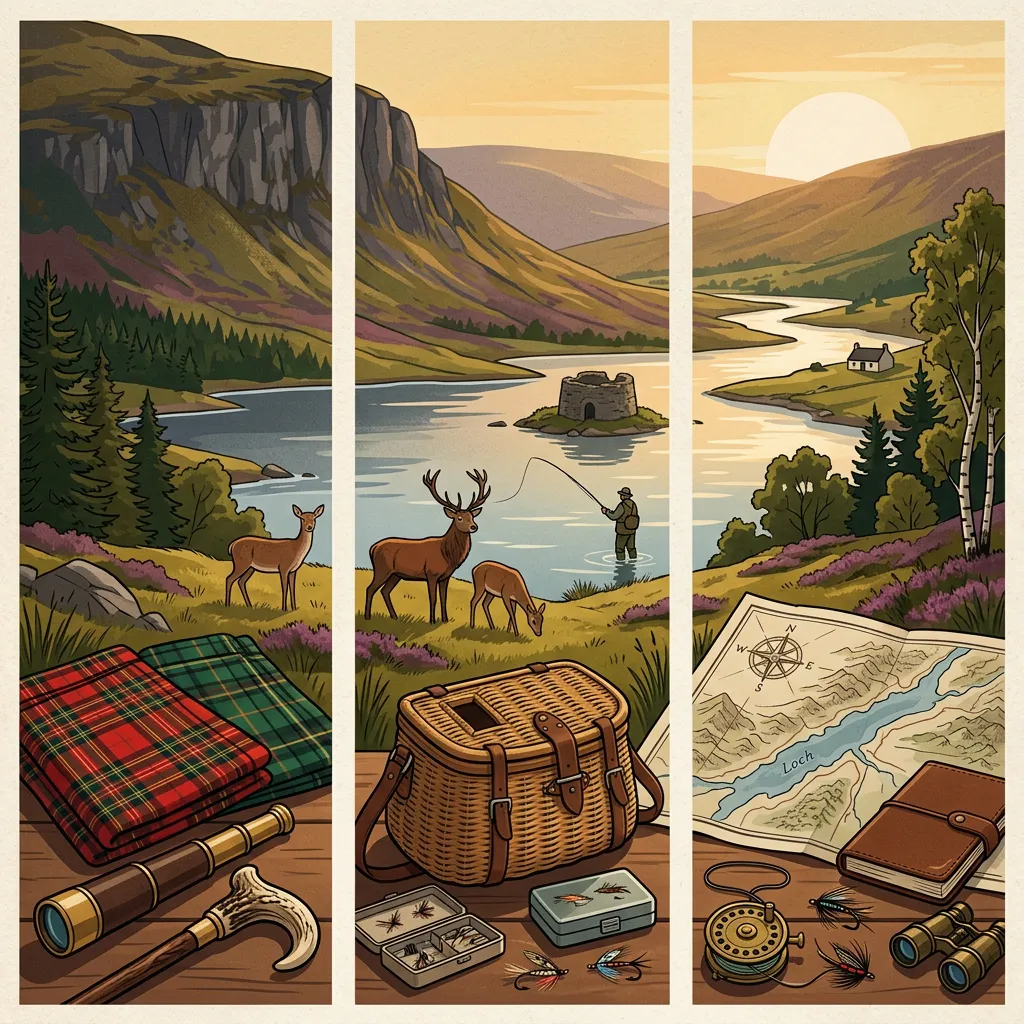
Best Time to Visit the Scottish Highlands: Month-by-Month Guide
The Scottish Highlands is a year-round destination, but the best time to visit depends on what you want to experience. From hiking and photography to skiing and festivals, here’s an authoritative guide to help you decide when to plan your trip. For a broader overview of everything the region has to offer, see our guide to exploring the Scottish Highlands.
Weather in the Highlands: What to Expect by Season
Winter (December–February)
Winter in the Highlands is cold, with average temperatures ranging from 2–7°C (36–45°F). Snow is common in mountainous areas, particularly in the Cairngorms, which see over 100 snow days annually. Coastal areas, however, experience far fewer snow days. Winter is ideal for skiing and dramatic photography but requires preparation for extreme conditions, especially at higher altitudes where temperatures can drop to -3°C (26.5°F) and winds can exceed 200 kph.
- Best for: Skiing, winter sports, and solitude.
- Tip: Check weather forecasts and road conditions daily, especially if planning to visit remote areas.
Spring (March–May)
Spring brings milder temperatures (4–12°C / 40–54°F) and longer daylight hours. March is the driest month of the year, but temperatures are still on the cooler side. By May, the Highlands bloom with wildflowers, and sunshine hours peak, making it an excellent time for outdoor activities.
- Best for: Hiking, photography, and avoiding summer crowds.
- Tip: Spring is less crowded, so you’ll have an easier time finding accommodation.
Summer (June–August)
Summer is the warmest season, with temperatures averaging 17°C (63°F). This is peak tourist season, thanks to long daylight hours—on the summer solstice, it never gets fully dark—and generally mild weather. However, it’s also the wettest time of year, with August seeing the most rainfall. Expect popular destinations like Glencoe and the Isle of Skye to be busy.
- Best for: Extended hiking trips, wildlife watching, and festivals.
- Tip: Book your accommodation and activities well in advance to secure availability and better rates.
Autumn (September–November)
Autumn temperatures range from 8–15°C (46–59°F), with October being particularly rainy. However, the changing foliage makes this season incredibly scenic. September is a great time to visit as it retains summer-like weather without the summer crowds.
- Best for: Scenic drives, photography, and quieter hiking trails.
- Tip: Pack waterproof gear as autumn weather is highly unpredictable.
Best Months for Specific Activities
Hiking and Walking
The Highlands offer incredible trails, from Ben Nevis to the West Highland Way. The best months for hiking are May through September, thanks to longer daylight and milder weather. March is also a good option for experienced hikers as it’s the driest month, though daylight is shorter. Check out walking routes for trip ideas.
Photography
May and June provide the best light conditions with long daylight hours and clear skies. Autumn months like September and October showcase golden hues and moody landscapes, perfect for dramatic shots.
Winter Sports
For skiing and snowboarding, head to the Cairngorm Mountain Resort from December to March. Snow conditions vary annually, so check in advance.
Budget Travel
March, early spring (April), and late autumn (October–November) are great for budget travelers. These months see fewer crowds, and you’re likely to find cheaper accommodation and flights.
Rainfall and Regional Differences
Rain is a constant in the Highlands, but the western regions, such as Fort William and Glencoe, are significantly wetter than eastern areas like Inverness. The driest time is January through early June, with March being the driest month overall. Always pack waterproof clothing regardless of the season!
Tips for Booking Accommodation and Activities
- Summer: Book accommodation and tours at least 3–6 months in advance. Popular destinations like the Isle of Skye fill up quickly.
- Winter: Availability is better, but some attractions and B&Bs may close for the season. Check seasonal opening hours before booking.
- For flexibility: Consider shoulder seasons (April–May, September) for fewer crowds and lower prices. Browse accommodation options to match your budget and preferences.
Practical Tips for Planning Your Trip
- Driving: Many attractions are remote. Renting a car offers flexibility, but be prepared for narrow, single-track roads. Always check winter road conditions if visiting between November and March.
- Midges: These tiny biting insects are most active from June to August, especially in wet and boggy areas. Pack insect repellent if visiting in summer.
- Clothing: Layering is essential year-round. Even in summer, temperatures can feel chilly, especially on windy coastal trails.
- Outdoor activities: For hiking or other outdoor pursuits, check out outdoor activities to plan your adventures.
Key Takeaways
The best time to visit the Scottish Highlands depends on your priorities:
- For outdoor activities: May–September offers the best weather and daylight.
- For photography: Visit in May, June, or autumn for spectacular light and landscapes.
- For skiing: Plan between December and March, focusing on the Cairngorms.
- For budget travel: March, April, and late autumn (October) provide good value with fewer tourists.
Plan according to your interests and use this guide to enjoy the best of what the Highlands has to offer!
Share this story
Enjoyed this read? Share it with fellow travellers on Facebook, X (Twitter), LinkedIn, or send the link to a friend.