Visit
Strathpeffer: the Victorian Spa Village of the Highlands
Discover Strathpeffer, a charming Victorian spa village nestled in the picturesque Scottish Highlands.
By Highland Explorer Editorial, Highland Expert - - 7 min read
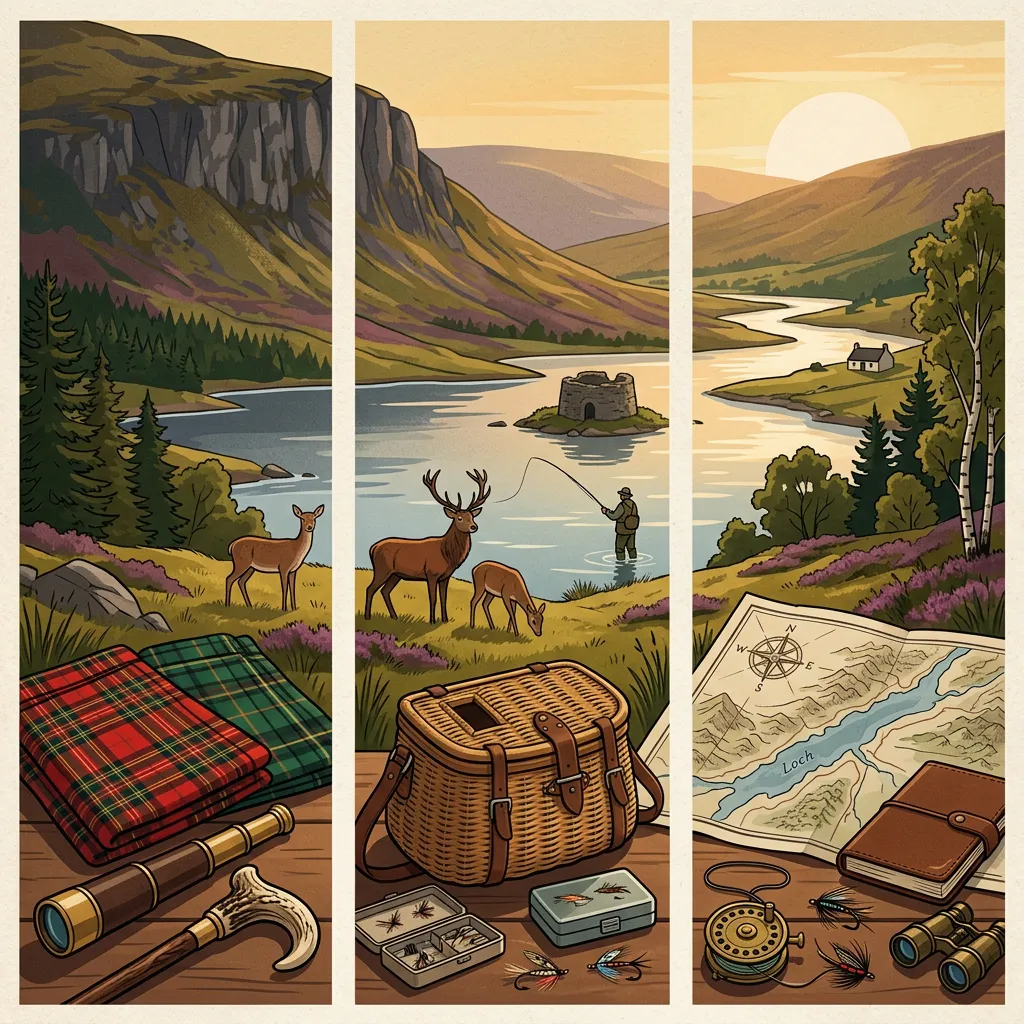
Hidden away in the heart of the Scottish Highlands, Strathpeffer is a charming Victorian spa village that feels like stepping back in time. Known for its restorative sulphur and chalybeate springs, this picturesque village became a popular health retreat in the 19th century, attracting visitors from across Britain. Just 5 miles west of Dingwall and roughly a 30-minute drive from Inverness, Strathpeffer is a delightful destination where history, nature, and Highland hospitality combine to create an unforgettable experience.
With its elegant Victorian architecture, tranquil gardens, and fascinating heritage, Strathpeffer offers a unique glimpse into its spa-town heyday. Whether you’re exploring its historic sites, sampling the once-famous mineral waters, or enjoying nearby trails and attractions, this village promises a memorable journey. Read on to discover why Strathpeffer is a must-visit on your Highland travels.
Why Visit Strathpeffer: The Victorian Spa Village
Strathpeffer gained prominence in the 19th century as a health resort, thanks to its natural mineral springs. These waters, believed to have curative properties, drew wealthy visitors seeking rejuvenation. The village transformed with the arrival of the railway in 1885, becoming a fashionable retreat complete with ornate villas, manicured gardens, and luxurious facilities. At just 200 feet above sea level, Strathpeffer enjoys a sunny position on the slopes of Ord Hill, surrounded by pine forests and rolling countryside.
Today, Strathpeffer retains much of its Victorian charm. The village's heritage is preserved through its iconic Pump Room, Spa Pavilion, and railway station, and its peaceful setting makes it a perfect escape from modern life. Whether you’re planning a half-day visit or a longer stay, Strathpeffer offers a mix of history, culture, and outdoor activities that cater to all sorts of travelers. It’s also an ideal base for exploring nearby gems, such as Dingwall and the Cromarty Firth, Muir of Ord, and the Black Isle.
Top Things to See and Do in Strathpeffer
The Pump Room
The Pump Room is the heart of Strathpeffer’s spa history. Once visitors flocked here to sample the village’s mineral waters, believed to cure ailments ranging from arthritis to skin conditions. Today, the Pump Room serves as a visitor centre where you can learn about the village’s Victorian spa legacy. Original water dispensers and historical displays provide a fascinating insight into this bygone era. You can even taste the sulphurous water if you’re feeling brave! Check strathpeffer.org for opening hours and special exhibits.
Victorian Spa Pavilion
One of Strathpeffer’s architectural highlights is the Victorian Spa Pavilion. Built between 1879 and 1881, this elegant building was inspired by the grand spa resorts of Europe. Designed by William Joass, it once hosted concerts and social gatherings for wealthy visitors. Today, the beautifully restored Pavilion is a vibrant cultural venue, hosting events, weddings, and performances throughout the year. Its intricate design and picturesque surroundings make it a perfect spot for photos or a leisurely visit.
Eagle Stone
History enthusiasts won’t want to miss the Eagle Stone, a Pictish carved stone located just outside the village. Dating back over 2,000 years, this mysterious relic is linked to local legends, including a prophecy by the Brahan Seer. It’s an easy walk from the village centre and offers a unique connection to Scotland’s ancient past.
Strathpeffer Station
The 1885 railway station that once brought tourists to the village has been transformed into a charming craft and antique market. The station’s serene gardens and platform views provide a lovely setting to enjoy a quiet afternoon. Browse local crafts, pick up unique souvenirs, or simply soak in the nostalgic atmosphere.
Highland Museum of Childhood
For a deeper dive into the area’s history, visit the Highland Museum of Childhood. Housed in a restored building, the museum showcases toys, clothing, and memorabilia from the past, offering a glimpse into the lives of Highland children through the ages. It’s an engaging stop for families and history buffs alike.
Getting There
Strathpeffer is easily accessible by car, located just off the A834. The journey from Inverness takes around 30 minutes, while Dingwall is just a 10-minute drive away. Free parking is available in the village centre, making it convenient for day trips. Public transport options include buses from Dingwall or Inverness, but check timetables in advance for the most up-to-date schedules.
Where to Stay
Strathpeffer offers a range of accommodation options to suit different budgets and preferences. Here are some recommendations:
- Highland Hotel: This historic hotel overlooks the village square and offers comfortable rooms, a restaurant, and bar. It’s a popular choice for coach tours and short breaks, with packages typically ranging from £200 to £400 per person for a few nights.
- Victorian Villas: Several elegant villas have been converted into guesthouses and B&Bs, providing a cosy and characterful stay. Nightly rates typically range from £100 to £200 depending on the season.
- Self-Catering Cottages: For a more private experience, consider renting a cottage in or near the village. These are ideal for families or groups.
Where to Eat and Drink
Strathpeffer has a handful of delightful cafés and restaurants where you can enjoy local flavors. Try these local favorites:
- The Deli in Strathpeffer: Perfect for a light lunch or coffee, this deli offers fresh sandwiches, homemade cakes, and a warm atmosphere.
- The Highland Hotel Restaurant: Enjoy classic Scottish dishes in an elegant setting. The menu features locally sourced ingredients and traditional recipes.
- RedPoppy Restaurant: Located just outside the village, this fine dining option is known for its creative menu and excellent service.
Practical Tips and When to Visit
Strathpeffer is a year-round destination, but the best time to visit is between May and September when the weather is mild and gardens are in bloom. Pack comfortable walking shoes, as many attractions are best explored on foot. If you’re visiting in winter, plan your trip around the Strathpuffer 24-hour bike race in January, which adds a lively energy to the village. To avoid crowds, visit midweek or in the shoulder seasons of spring and autumn.
For curated multi-day routes, explore our Highland itineraries.
Frequently Asked Questions
Why is Strathpeffer famous? Strathpeffer is famous for its Victorian spa heritage. During the 19th century, it became a fashionable health resort due to its mineral springs, which were believed to have healing properties. The village retains much of its original charm, with stunning architecture, gardens, and cultural landmarks that tell the story of its spa-town heyday. What is the Strathpeffer Pump Room? The Pump Room is a historic building where visitors once came to drink the village’s mineral waters. Today, it serves as a visitor centre with exhibits on Strathpeffer’s spa history. Guests can learn about the curative springs and even taste the sulphurous water that made the village famous. How far is Strathpeffer from Inverness? Strathpeffer is approximately 14-20 miles northwest of Inverness, depending on your route. The drive takes around 30 minutes via the A9 and A834. It’s also accessible by bus from Inverness, although driving offers more flexibility for exploring the area. What can you do in Strathpeffer? Visitors can explore historic sites like the Pump Room, Spa Pavilion, and Eagle Stone, take scenic walks such as the Cat’s Back ridge trail, and visit nearby attractions like Rogie Falls or Knock Farril hill fort. The village’s tranquil atmosphere and rich history make it ideal for a peaceful escape in the Highlands.Share this story
Enjoyed this read? Share it with fellow travellers on Facebook, X (Twitter), LinkedIn, or send the link to a friend.