castles
Speyside distilleries & history: combining whisky and heritage
Exploring Speyside's rich whisky traditions and historic landmarks amidst Scotland's breathtaking landscapes.
By Highland Explorer Editorial, Highland History Expert - - 6 min read
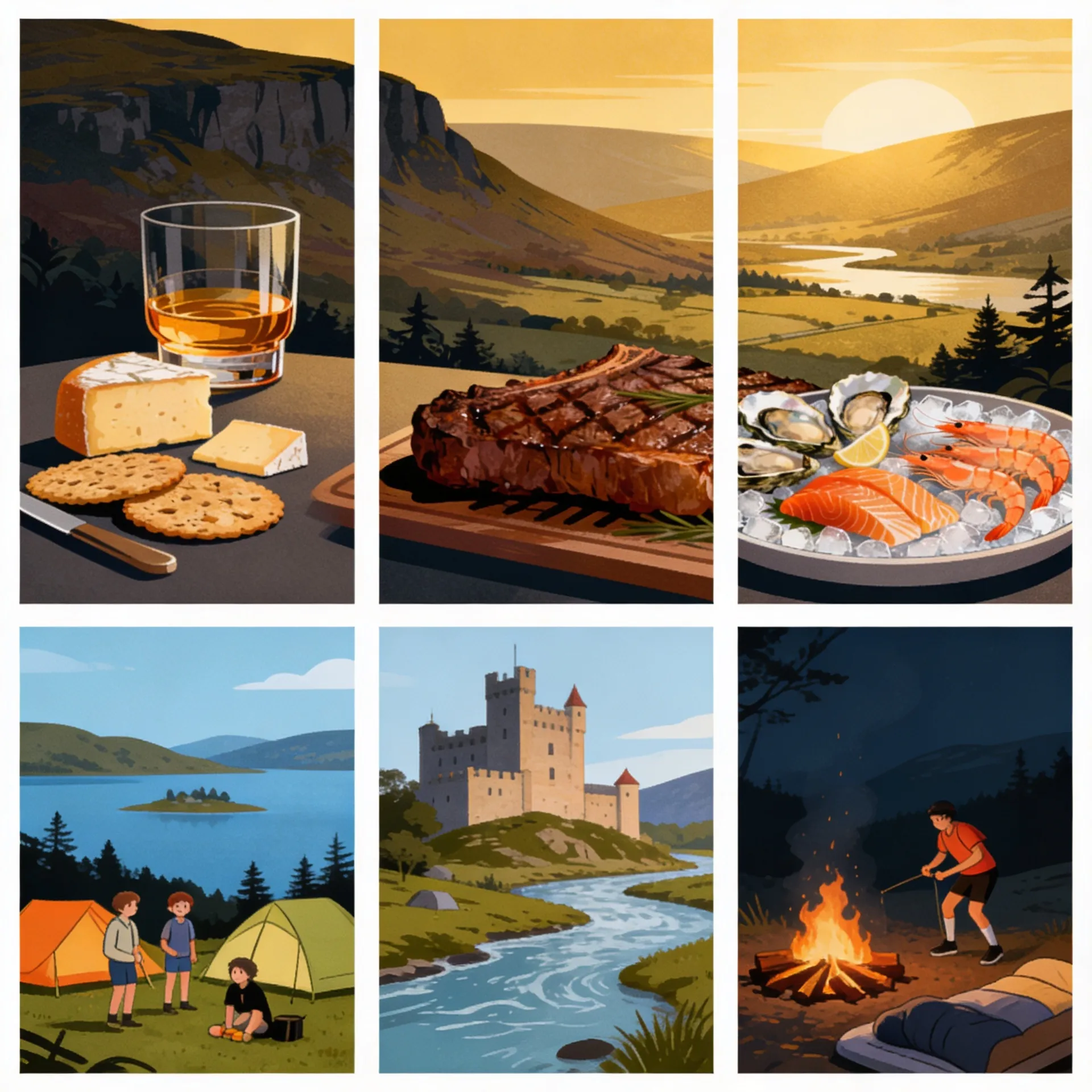
Speyside Distilleries & History: Combining Whisky and Heritage
Speyside is the beating heart of Scotland’s whisky industry and a region steeped in history, from Pictish carvings to the legacy of clans like the Grants. The 74-mile Speyside Malt Whisky Trail offers a unique opportunity to explore eight distilleries, a cooperage, and nearby heritage sites that tell the story of whisky production and the region’s rich past. Whether you’re a whisky enthusiast, a history buff, or a curious traveller, this guide will help you plan a memorable route combining tastings and historical landmarks.
History & Significance
The story of Speyside whisky begins centuries ago. Whisky, derived from the Gaelic "uisge-beatha" meaning "water of life," was first distilled for medicinal purposes but grew into a cultural staple. By the late 15th century, whisky production was thriving, albeit often illicitly. Following the 1745 Jacobite rebellion, strict regulations forced many distillers into hiding, particularly in the Speyside hills. The 1823 Excise Act legalised whisky production, paving the way for legendary distilleries such as Glenlivet and Glen Grant.
The region's history is intertwined with its clans, particularly the Grants. Their influence is evident in distilleries like Glen Grant, founded in 1840 by James and John Grant, and in nearby landmarks like Ballindalloch Castle. The Speyside Malt Whisky Trail also offers glimpses into the region’s Pictish past, with sites like Sueno’s Stone near Forres showcasing carved slabs from the 9th-10th centuries. Together, these elements create a compelling blend of heritage and craftsmanship.
Visiting Today
The Speyside Malt Whisky Trail is best experienced over three days, allowing time for tastings, tours, and visits to nearby historical sites. Below is a practical itinerary starting from Grantown-on-Spey, a central base for exploring the trail.
Day 1: Forres and Surroundings
Begin your journey in Forres, just 12 miles (20 minutes) north of Grantown-on-Spey via the A940. Your first stop is Benromach Distillery, established in 1898. Here, you can explore traditional Victorian machinery and learn about 19th-century whisky production. Tours cost £15-25 and last 1-1.5 hours. Book ahead, as slots fill quickly during peak seasons.
Next, travel 3 miles (7 minutes) east to Dallas Dhu Historic Distillery. This museum captures the essence of a 19th-century distillery, with artefacts from its operational days until 1983. Entry is free from April to October, and the self-guided tour takes about an hour. Don’t miss the remnants of nearby illicit still sites that tie back to the region’s smuggling past.
For lunch, grab a bite in Forres town centre, where you’ll find cosy cafes serving local fare. If time allows, visit Sueno’s Stone, a stunning Pictish carved slab just 1 mile from Benromach. This is a must-see for history enthusiasts.
Day 2: East Speyside and Clan History
Start your day by driving 25 miles (35 minutes) east via the A96 to Strathisla Distillery in Keith. Established in 1786, it is the oldest continuously operating distillery in Speyside. Tours (£20+) delve into Jacobite-era smuggling and the early days of whisky production. Allow 90 minutes for your visit.
Continue 15 miles (20 minutes) west via the A941 to the Speyside Cooperage in Craigellachie, where you can watch master coopers crafting whisky barrels. Tours cost £12.50 and take about an hour. This stop highlights the vital role of barrel-making in whisky maturation and the 19th-century trade.
From Craigellachie, drive 10 miles (15 minutes) south to Glenfiddich Distillery in Dufftown. Founded in 1887 by William Grant, this iconic distillery stands in the "Valley of the Deer" (Gaelic: Glenfiddich). Tours (£25+) showcase the distillation process and the distillery’s defence against smugglers. With scenic grounds and engaging exhibits, plan for 90 minutes to explore.
End the day by driving 8 miles (12 minutes) northeast via the A941 to Glen Grant Distillery in Rothes. Founded by the Grant brothers in 1840, Glen Grant features stunning gardens and an innovative purifier for precise whisky production. Tours cost £18+ and last about an hour. Nearby Ballindalloch Castle, a Grant clan seat, is worth a detour (10 miles/15 minutes from Glen Grant). Check seasonal opening times.
Day 3: West Speyside and Walking Trails
Begin with a 20-mile (30-minute) drive north via the A941 to Glen Moray Distillery in Elgin. Established in 1897, Glen Moray combines modern techniques with a historic feel. Tours (£20+) run daily and take about an hour.
Next, head 12 miles (20 minutes) northwest via the A95 to Cardhu Distillery in Knockando. Founded in 1811 by Helen Cumming, Cardhu is one of the few distilleries established by a woman. Tours (£25+) require advance booking and take around an hour. Nearby walking trails offer a chance to explore scenic countryside and former smuggling routes.
End your trail with a 15-mile (25-minute) drive southwest via the B9008 to The Glenlivet Distillery. As the first legal Highland distillery, Glenlivet was founded in 1824 by George Smith, a former smuggler who defended his establishment fiercely. Tours (£20+) run daily and take 1.5 hours. On your way back, consider walking a section of the Speyside Way, such as the riverside stretch from Knockando to Dufftown (13 miles/5-6 hours).
Key Takeaways
- Speyside’s whisky and history are deeply interconnected, offering a rich cultural experience.
- The Speyside Malt Whisky Trail includes eight distilleries, a cooperage, and heritage sites, all within a 74-mile route.
- Plan at least three days to explore distilleries and historical landmarks without rushing.
- Book distillery tours in advance, especially during peak seasons (April-October).
- Combine driving with walking sections of the Speyside Way for a balanced itinerary.
Frequently Asked Questions
Can you combine whisky tours with heritage visits on Speyside?
Yes, the Speyside Malt Whisky Trail integrates both whisky and history, with distilleries often tied to smuggling, clan legacies, and the Excise Act of 1823. Sites like Dallas Dhu and Sueno’s Stone enrich the experience with cultural insights.
What historical sites are on Speyside?
Speyside boasts landmarks like Sueno’s Stone (Pictish carvings) near Forres and Ballindalloch Castle, home to Clan Grant. Many distilleries, such as Glenlivet and Glen Grant, are steeped in smuggling and clan heritage. The Clan Grant and Strathspey connection adds depth to visits.
Share this story
Enjoyed this read? Share it with fellow travellers on Facebook, X (Twitter), LinkedIn, or send the link to a friend.