castles
The Castle Trail of the Scottish Highlands: a driving guide
Explore historic castles, breathtaking landscapes and hidden gems on this unforgettable Highland driving adventure.
By Highland Explorer Editorial, Highland History Expert - - 5 min read
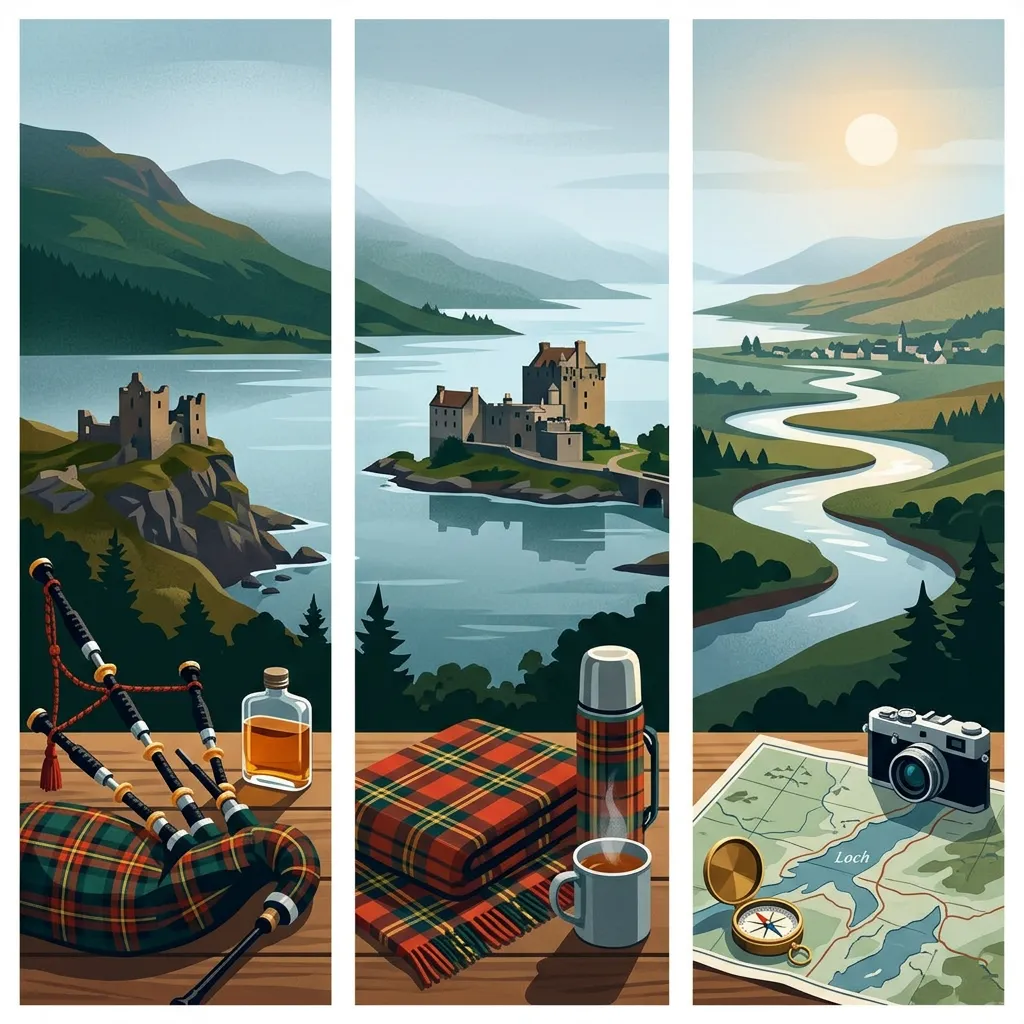
The Scottish Highlands offer a landscape of rugged mountains, shimmering lochs, and castles steeped in history. There is no better way to explore the rich heritage of this region than through a self-drive castle trail. From the romantic ruins of Urquhart Castle on Loch Ness to the iconic Eilean Donan Castle nestled among three lochs, this route brings you face-to-face with Scotland's dramatic past.
With this practical guide, you’ll find detailed driving instructions, distances, and tips for a seamless journey. Pack your sense of adventure, and let’s hit the road to uncover some of the most captivating castles in the Highlands!
What to Expect
This driving route highlights five iconic castles: Urquhart Castle, Eilean Donan Castle, Inverlochy Castle, Inveraray Castle, and Cawdor Castle. Each stop offers a unique blend of history, scenic views, and cultural significance. You’ll travel along routes like the A82 through the Great Glen and the A87 towards the Isle of Skye, surrounded by breathtaking vistas at every turn. The journey is designed for five days, though it can be extended to seven for a more leisurely pace or to add eastern sites like Dunrobin Castle.
Expect to drive approximately 350-500 miles in total, with daily driving times ranging from two to four hours. Most castles are open from 10:00 am to 5:00 pm, with a mix of guided and self-guided tours. Wear comfortable footwear and bring a camera - you’ll want to capture the views!
History
The Age of the Clans
The Highlands were once dominated by powerful clans, with castles serving as both strongholds and status symbols. Urquhart Castle, for instance, was a site of fierce battles between the MacDonald and Grant clans. Its strategic location on Loch Ness made it a key defence point during the Wars of Scottish Independence in the 14th century.
The Jacobite Uprisings
Many Highland castles played pivotal roles during the Jacobite risings in the 17th and 18th centuries. Inverlochy Castle, for example, was near the site of two significant battles. These uprisings aimed to restore the Stuart monarchy and left a lasting impact on Scotland’s political landscape.
The Victorian Revival
By the 19th century, Scotland’s castles had become romantic symbols of the nation’s past. Queen Victoria’s love for the Highlands sparked a revival in castle restoration and tourism, leading to the preservation of sites like Eilean Donan, which was extensively restored in the early 20th century.
Visiting Today
Opening Times Most castles are open from 10:00 am to 5:00 pm, with shorter hours in winter (November-February). Entry Fees Expect to pay £12-£20 per adult; many sites offer family tickets and concessions. Parking Free parking is available at most locations, but it can fill up quickly during peak summer months. Accessibility Many sites have uneven terrain or steep stairs, so check ahead if mobility is a concern.Getting There
The route begins in Inverness, the capital of the Highlands, which is easily accessible via the A9 or Inverness Airport. From there, you’ll travel south along Loch Ness to Fort William, west to the Isle of Skye, and south again to Inveraray. The main roads include the A82, A87, and A83. Fuel stops and rest areas are conveniently located, particularly in towns like Drumnadrochit and Fort William.
What Not to Miss
- Urquhart Castle: Explore its dramatic ruins and enjoy sweeping views of Loch Ness. Don’t miss the visitor centre’s exhibits on Jacobite history.
- Eilean Donan Castle: Snap a photo of this iconic castle against a backdrop of three lochs. Its interiors are beautifully restored and worth exploring.
- Inveraray Castle: Admire the opulent interiors, including the Armoury Hall, and take a stroll through the gardens.
- Inverlochy Castle: Visit the well-preserved ruins near Fort William to feel the weight of Highland history.
- Cawdor Castle: Known for its Shakespearean connections, this castle offers lovely gardens and a rich history.
Key Takeaways
- The route covers 350-500 miles over five days, starting in Inverness and ending in Glasgow or Edinburgh.
- Key stops include Urquhart Castle, Eilean Donan Castle, Inverlochy Castle, Inveraray Castle, and Cawdor Castle.
- Plan for daily driving times of two to four hours, with extra time for exploring and meals.
- Accommodation ranges from luxurious castle hotels to charming B&Bs. Book in advance, especially in summer.
- Check opening times and weather conditions before visiting, as these can vary by season.
Frequently Asked Questions
How long does the Highland castle trail take? The core route takes five days, but you can extend it to seven for a more relaxed pace or to include additional sites like Dunrobin Castle. Each day involves 2-4 hours of driving plus time to explore the castles.
Which castles should I definitely include? Don’t miss Urquhart Castle for its Loch Ness views, Eilean Donan Castle for its iconic setting, and Inveraray Castle for its grandeur. Each offers a unique perspective on Highland history.
Can I do the castle trail in 3 days? Yes, but you’ll need to prioritise key sites. A streamlined castle trail 3-day itinerary might include Urquhart Castle, Eilean Donan Castle, and Inveraray Castle, with limited time for detours.
What is the best starting point? Inverness is the ideal starting point, as it’s well-connected by road, rail, and air. From here, you can easily access the A82 and begin your journey south through the Great Glen.
Embark on this unforgettable journey through the Highlands, where each castle tells a story of Scotland’s turbulent yet fascinating history.
Share this story
Enjoyed this read? Share it with fellow travellers on Facebook, X (Twitter), LinkedIn, or send the link to a friend.