Activities
Sea Kayaking in Scotland: Best Locations in the Highlands
Discover breathtaking coastal adventures and serene waters amidst Scotland's rugged Highland landscapes
By Highland Explorer, Editorial Team - - 6 min read
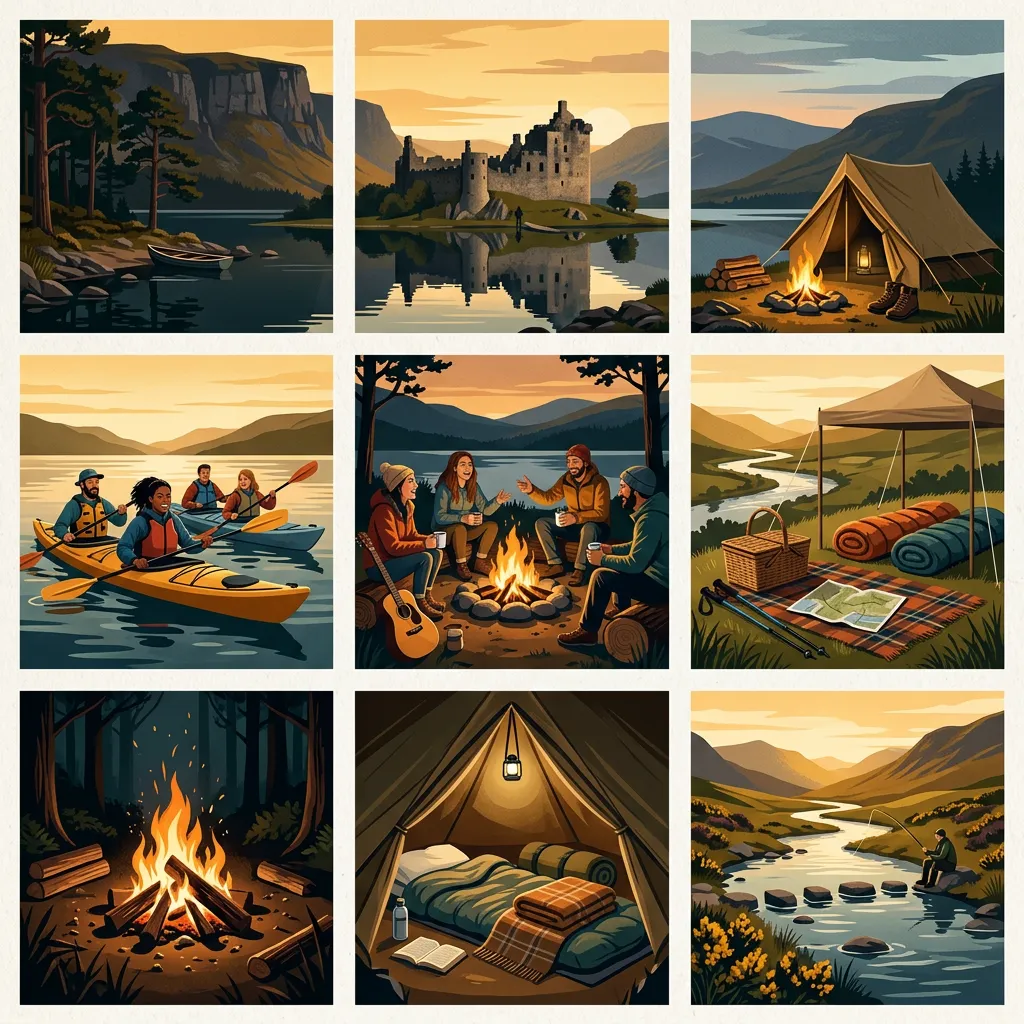
Imagine gliding across glassy waters, surrounded by rugged mountain landscapes, ancient castles, and the occasional call of a sea eagle. Sea kayaking in Scotland is one of the most immersive ways to explore the natural beauty and rich heritage of the Highlands. Whether you’re a seasoned paddler looking to test your skills or a beginner eager to experience the magic of the water, Scotland offers an unparalleled variety of kayaking opportunities. From the vastness of Loch Ness to the coastal wonders of the Isle of Skye, the Highlands are a dream destination for adventure travellers.
Why the Highlands is a World-Class Kayaking Destination
Scotland’s Highlands are renowned for their breathtaking scenery, and kayaking offers a unique perspective to appreciate this natural beauty. The region boasts an array of water landscapes, including sea lochs, freshwater lochs, and sheltered coastal waters. This diversity means there’s something for paddlers of all levels. One moment you might be navigating through narrow channels with views of towering cliffs, and the next, you’re paddling in open waters with seals and dolphins as your companions.
Wildlife encounters are another highlight of kayaking in the Highlands. While on the water, you may spot otters, seabirds, porpoises, and even basking sharks in the summer months. Scotland is home to over 90,000 seals, both grey and common, and kayaking provides one of the best ways to observe these curious creatures in their natural habitat. The Highlands are also home to some of Europe’s last remaining wilderness areas, offering peace, solitude, and a sense of adventure that few places can match. For those keen to learn more about thrilling outdoor activities, check out our guide to thrill-seeking in the Scottish Highlands.
Sea Kayaking on the Isle of Skye
The Isle of Skye is undoubtedly one of the most iconic kayaking destinations in Scotland. Known for its dramatic coastline, Skye offers a combination of rugged cliffs, hidden coves, and tranquil sea lochs. Popular spots for kayaking include Talisker Bay, with its unique black sand beach, and Loch Coruisk, a remote freshwater loch nestled among the Cuillin mountains. Loch Coruisk, in particular, is a magical place accessible only by boat or on foot, making it a bucket-list destination for adventurous kayakers.
Guided tours are highly recommended for anyone new to sea kayaking or unfamiliar with Skye’s waters. Local guides provide expert knowledge on tidal conditions and wildlife, ensuring a safe and enriching experience. The tidal conditions around Skye can be challenging, especially for those venturing to more exposed areas like Neist Point or the northwestern coastline. For beginners, the sheltered bays around Broadford and Portree are perfect for mastering the basics, while experienced paddlers can explore more challenging routes like the coast near Elgol, where dramatic rock formations and sea caves await.
For those planning a trip to Skye, be sure to read our comprehensive Isle of Skye travel guide for tips on exploring this stunning island. Additionally, Skye’s weather can be unpredictable, so always check the forecast before heading out. Bring layers, as even in summer, temperatures can range from 10°C to 18°C depending on the wind.
To learn more about kayaking opportunities on Skye specifically, visit Sea Kayaking Isle of Skye.
Kayaking on Loch Ness: Paddle the World’s Most Famous Loch
Loch Ness is not just world-famous for its mythical monster—it’s also a top destination for kayaking enthusiasts. Stretching 23 miles in length and reaching depths of over 700 feet, Loch Ness is a vast body of water with conditions that often mimic the open sea. This makes it particularly thrilling for experienced paddlers, though beginners can enjoy it safely on guided tours.
Kayaking on Loch Ness is a unique experience. The loch’s dark waters, created by a high concentration of peat, and the surrounding misty hills create an atmosphere unlike anywhere else in Scotland. The loch contains more water than all the lakes in England and Wales combined, making it a truly awe-inspiring location for paddlers. Keep an eye out for red deer grazing near the shoreline or golden eagles soaring overhead. During summer, osprey sightings are also common.
Guided tours often include stops at historic sites like Urquhart Castle, adding a layer of historical intrigue to your adventure. Imagine paddling your way to the ruins of a 13th-century castle, surrounded by the mystery and legends that Loch Ness is famous for. Some tours even include stories about the infamous Nessie, making them family-friendly and engaging for all ages.
Note that all trips on Loch Ness must be registered with Scottish Canals for safety. Additionally, those venturing out alone should have open water kayaking experience and be prepared for sudden changes in weather. Wind and waves can pick up quickly, mimicking coastal conditions. To fully immerse yourself in the beauty and mystery of Loch Ness, consider joining a Loch Ness Kayaking Tour.
For more insights into what makes Loch Ness such an extraordinary destination, explore our Loch Ness complete visitor guide.
Beyond Skye: Other Top Kayaking Locations in the Highlands
While Skye and Loch Ness are major draws, the Highlands offer countless other kayaking hotspots that deserve attention:
- Torridon UNESCO Geopark: Famous for its rugged landscapes and crystal-clear waters, Torridon is perfect for adventure seekers. Paddle through sea lochs framed by dramatic cliffs and catch glimpses of rare wildlife like otters and seals. Torridon’s geology dates back over a billion years, making it a fascinating destination for geology enthusiasts.
- Knoydart: Often referred to as the last wilderness in Britain, Knoydart offers unparalleled seclusion. Kayak through remote bays and enjoy views of untouched nature far from the crowds. The Knoydart peninsula is only accessible by boat or on foot, adding to its sense of remoteness and adventure.
- Glenelg: With its unique tidal races and stunning views of Skye, Glenelg is ideal for experienced paddlers looking for a challenge. Don’t miss the opportunity to see the Glenelg Brochs—ancient Iron Age structures that stand as testament to Scotland’s rich history.
- The Summer Isles: Located off the coast of Ullapool, this archipelago is a haven for nature lovers. Explore uninhabited islands and enjoy wildlife encounters, including puffins, seals, and even dolphins. The Summer Isles are particularly enchanting in late spring when wildflowers bloom across the islands’ rugged terrain.
- Glen Affric Canoe Trail: For those who prefer freshwater kayaking, Glen Affric offers a serene experience with breathtaking views of Caledonian pine forests and mountain peaks. The trail is part of Scotland’s National Nature Reserves and is a favorite among photographers for its extraordinary landscapes.
Essential Gear, Safety and Water Temperatures
Before hitting the water, it’s crucial to have the right equipment and knowledge of safety protocols. Scotland’s waters can be unpredictable, so preparation is key. Water temperatures in Scotland range from a chilly 5°C in winter to around 13°C in summer, so layering is essential to avoid hypothermia, even in warmer months.
Here’s a basic kayaking gear checklist:
- Kayak and paddle (provided by most tour operators)
- Buoyancy aid or life jacket (mandatory)
- Dry suit or wetsuit
- Waterproof gloves and boots
- Helmet (optional for sea kayaking, but recommended in tidal areas)
- Waterproof bag for personal items
- Safety whistle and basic first aid kit
- Navigation tools (map, compass, or GPS device)
While solo kayaking can be rewarding, guided tours are highly recommended, especially for beginners. Guides not only ensure your safety but also enrich the experience with local knowledge about the landscape and wildlife. Always inform someone of your plans and estimated return time if venturing out alone.
Planning Your Kayaking Trip: Practical Guide
To make the most of your kayaking adventure, plan your trip carefully. The best months for kayaking in the Highlands are May through September, when the weather is warmer, and the seas are generally calmer. Summer days in Scotland are long, with up to 18 hours of daylight in June, giving you plenty of time to explore. However, midges (tiny biting insects) can be a nuisance in the summer, especially in sheltered areas. Bring insect repellent to stay comfortable.
Fitness requirements for kayaking are moderate—you don’t have to be an athlete, but a good level of stamina is helpful. Most guided tours provide all necessary equipment, so you don’t need to invest in gear if you’re new to the sport. For those looking to improve their skills, Glenmore Lodge offers a five-day introduction to sea kayaking course, perfect for beginners and intermediates alike.
If open sea feels too adventurous, try freshwater paddling instead. Kayak Loch Ness runs guided tours on Scotland's most famous loch, with the Great Glen towering around you and that slim, thrilling possibility of a monster sighting from water level.
Frequently Asked Questions
Is sea kayaking suitable for beginners in Scotland? Yes, Scotland has many sheltered bays and lochs ideal for beginners. Guided tours are highly recommended for first-timers to ensure safety and a fun experience. What is the best place to kayak in Scotland? The Isle of Skye and Loch Ness are among the most popular spots, but locations like Torridon, Knoydart, and the Summer Isles also offer incredible kayaking opportunities. Do I need experience to kayak on Loch Ness? Experience is recommended for solo trips due to the loch’s open-water conditions. However, guided tours are available for paddlers of all skill levels. How cold is the water in Scotland? Water temperatures range from around 5°C in winter to 13°C in summer. Wearing a dry suit or wetsuit is essential for comfort and safety. What wildlife might I see while kayaking in the Highlands? Wildlife sightings often include seals, otters, puffins, porpoises, and occasionally dolphins. In summer, basking sharks and ospreys are also common.Share this story
Enjoyed this read? Share it with fellow travellers on Facebook, X (Twitter), LinkedIn, or send the link to a friend.