Visit
Loch Ness: A Complete Visitor Guide (Beyond the Monster)
Discover scenic wonders, local lore, and must-see spots around Scotland's iconic Loch Ness.
By Highland Explorer, Editorial Team - - 7 min read
Loch Ness: A Complete Visitor Guide (Beyond the Monster)
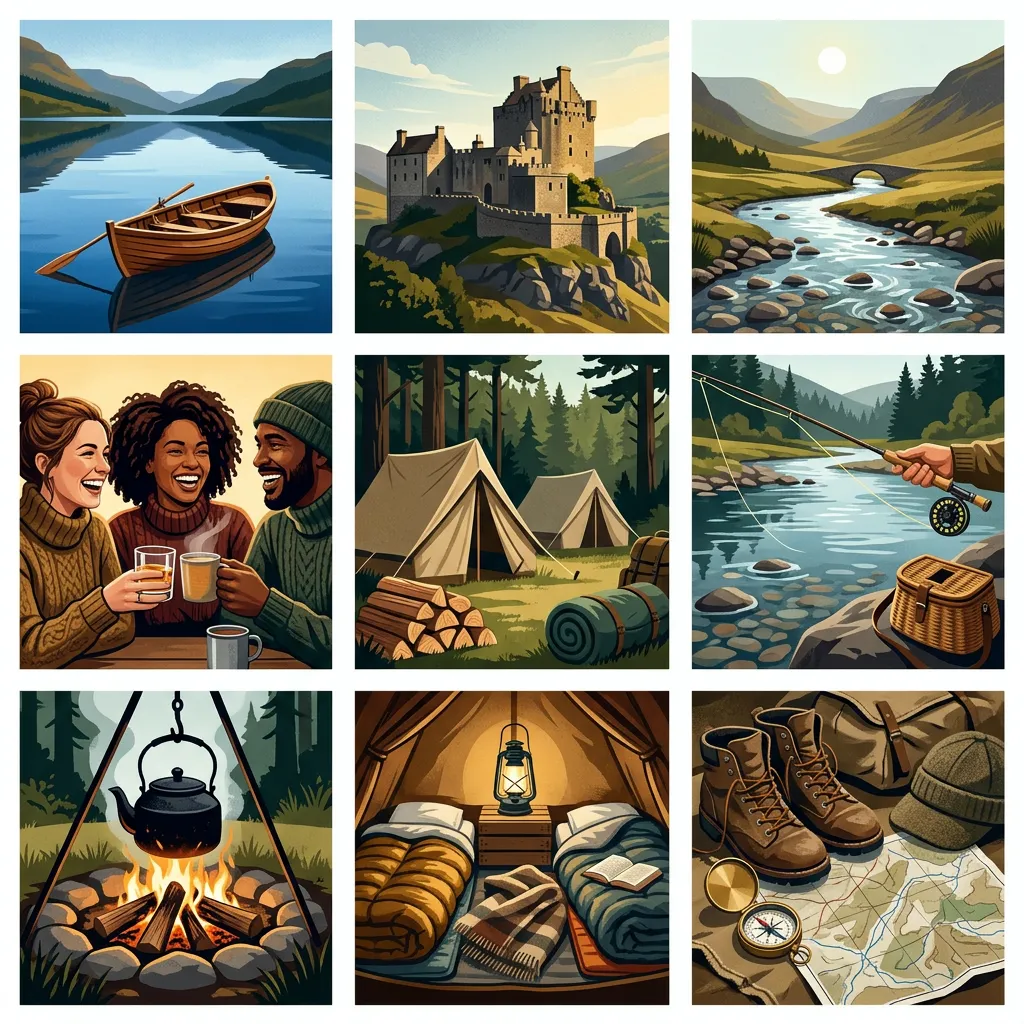
Loch Ness is one of Scotland's most iconic destinations. Famous for the legend of the Loch Ness Monster, this 23-mile-long freshwater loch offers much more than just its mythical creature. From stunning Highland landscapes — which you can discover in full in our complete Highlands guide — to historic sites and outdoor adventures, visiting Loch Ness is a must for any international tourist exploring the Scottish Highlands. Whether you have a single day or several, this guide will help you plan your trip efficiently and make the most of your visit.
How to Get to Loch Ness
Starting from Inverness
Inverness is the gateway city to Loch Ness and the most convenient starting point for tourists. The loch begins just five miles south of Inverness at Dochgarroch, where you can catch your first glimpse of the water. From Inverness, follow the A82 road to reach key locations like Drumnadrochit and Urquhart Castle (15 miles, 25-minute drive) or Fort Augustus (35 miles, 50-minute drive).
South Shore Route
If you prefer quieter views and fewer crowds, take the B852 south shore road. Starting in Inverness, this route passes Dores Beach (12 miles, 20 minutes) and continues to Foyers for the Falls of Foyers waterfalls (another 10 miles, 40 minutes total). You can loop back to the busier A82 for a complete circuit around the loch.
Public Transport Options
Buses run regularly from Inverness to Drumnadrochit and Fort Augustus via the A82, though schedules can be limited, especially on weekends or off-season. Alternatively, guided day tours from Inverness, Edinburgh, or Glasgow provide a stress-free way to explore Loch Ness and nearby attractions.
Where to Stay
For overnight stays, Loch Ness offers a range of accommodations, from cozy guesthouses to unique options like the Loch Ness Pods, ideal for adventurous travelers. Here are some recommendations:
- Inverness: Choose Inverness as your base for convenient access to Loch Ness, with options ranging from budget-friendly hostels to luxury hotels.
- Drumnadrochit: Stay closer to Urquhart Castle and the Loch Ness Centre in this west-shore village.
- Loch Ness Clansman Hotel: Located near Clansman Harbour, this hotel offers scenic views and proximity to Jacobite Cruises Loch Ness boat tours.
- Fort Augustus: Perfect for those wanting to explore the village, canal locks, and southern loch tip.
Top Things to Do at Loch Ness
Take a Loch Ness Cruise
A boat tour is the best way to experience Loch Ness's vastness and beauty. Cruises often include sonar equipment for "Nessie scans" and audio commentary about the loch's history, geology, and myths. Popular departure points include Clansman Harbour (10 miles from Inverness) and Fort Augustus.
- Jacobite Cruises Loch Ness boat tour: 1-hour cruises (~£20-£30 per adult) with fantastic onboard facilities.
- Fort Augustus Cruises: Combine a boat trip with village exploration for a full southern Loch Ness experience.
Visit Urquhart Castle
Located on the west shore, Urquhart Castle is one of Scotland's most famous historic sites. The ruins date back over 1,000 years, offering panoramic views from the Grant Tower overlooking Loch Ness. Tickets (~£12/adult) can be booked online, especially during summer when crowds peak.
Hike or Cycle the Loch Ness 360° Trail
The Loch Ness 360° Trail is a 72-mile loop encircling the loch. While completing the full circuit takes 6 days, shorter sections are ideal for day hikes or cycling.
- North Side: Follow the A82 for busier routes with access to Urquhart Castle.
- South Side: Opt for the quieter B852 trail, stopping at Dores Beach and Falls of Foyers.
Explore Fort Augustus
The southern tip of Loch Ness is home to Fort Augustus, a charming village centered around the Caledonian Canal locks. Watch boats navigate the locks, enjoy local pubs, or take a cruise from the harbor. It's a great stop for families and photographers alike.
Kayak or Paddleboard
For adventurous visitors, kayaking on Loch Ness is a unique way to explore the loch's serene waters. Rentals and guided tours are available, but always check weather conditions as strong winds can make paddling challenging.
Discover Falls of Foyers
On the south shore, the Falls of Foyers is a spectacular 140-foot waterfall surrounded by scenic walking trails. It's about a 40-minute drive from Inverness and offers a peaceful escape from busier tourist spots.
Learn About Nessie at the Loch Ness Centre
Located in Drumnadrochit, the Loch Ness Centre delves into the legends of Loch Ness, showcasing scientific studies, folklore, and cultural history. Entry costs around £10 per adult.
Practical Tips for Visiting Loch Ness
- Pack appropriately: Bring layers, waterproof jackets, and sturdy shoes for hikes. The Highlands are known for unpredictable weather.
- Book ahead: Cruises and Urquhart Castle tickets can sell out during summer. Combo tickets (~£30-£50) save time and money.
- Drive safely: Remember to drive on the left-hand side in Scotland. Parking is available at key sites like Suidhe Viewpoint (free).
- Eat local: Try Fort Augustus pubs for hearty meals or seafood in nearby Mallaig if extending your trip.
- Download maps: Use the VisitScotland app for updated routes and event information.
Seasonal Advice
Summer (June-August)
The busiest season for Loch Ness, summer offers long days (15-20°C) ideal for cruises and hiking. Midges are prevalent, so bring insect repellent.
Spring/Autumn (March-May, September-October)
These shoulder seasons are quieter, with cooler temperatures (5-15°C) and vibrant natural colors. Rain is more likely, so pack waterproof gear.
Winter (November-February)
Winter brings dramatic landscapes and tranquility but limits activities due to shorter daylight hours. Snow may cover higher trails, and sites like Urquhart Castle have restricted hours.
Common Mistakes to Avoid
- Focusing only on Nessie: While the monster legend adds charm, Loch Ness is more about its scenery, history, and activities.
- Rushing by car: Take time to stop at viewpoints like Dores Beach or Suidhe Viewpoint.
- Underestimating trails: Some hikes, like Meall Fuar-mhonaidh, require physical fitness and preparation.
- Ignoring weather conditions: Rain and wind can affect activities, especially kayaking.
FAQ
How long should I spend at Loch Ness?
Plan for at least one full day to cover the essentials (cruise, Urquhart Castle, and Fort Augustus). Extend to 2-3 days for hiking trails and exploring quieter areas like Dores Beach.
Can I see Nessie?
While the legend of Nessie is fascinating, sightings are extremely rare. Cruises with sonar scans add excitement, but focus on the beauty and history of Loch Ness.
What should I pack for my visit?
Pack layers, a waterproof jacket, sturdy shoes, and insect repellent (summer). Bring a camera to capture scenic views.
Are cruises suitable for families?
Yes, Loch Ness cruises are family-friendly, with onboard facilities and engaging commentary. Kids will enjoy the "Nessie hunt" aspect.
What's the best way to get around Loch Ness?
A car provides the most flexibility, but buses and guided tours are good alternatives if you prefer not to drive.
When is the best time to visit Loch Ness?
Summer is ideal for long days and activities, while spring and autumn offer quieter trails and vibrant scenery. Winter is peaceful but limits options due to shorter days.
Key Takeaways
Loch Ness is not just a destination—it’s an experience that combines breathtaking scenery, fascinating history, and outdoor adventure. Whether you're chasing Nessie or simply soaking in the Highland landscapes, proper planning ensures you'll make the most of your visit. Pack wisely, book ahead, and enjoy the natural and cultural treasures of this legendary loch.
Share this story
Enjoyed this read? Share it with fellow travellers on Facebook, X (Twitter), LinkedIn, or send the link to a friend.