Travel
Scottish Highlands for First-Time Visitors: 15 Things to Know
Essential tips and insider insights for your unforgettable Scottish Highlands adventure.
By Highland Explorer, Editorial Team - - 6 min read
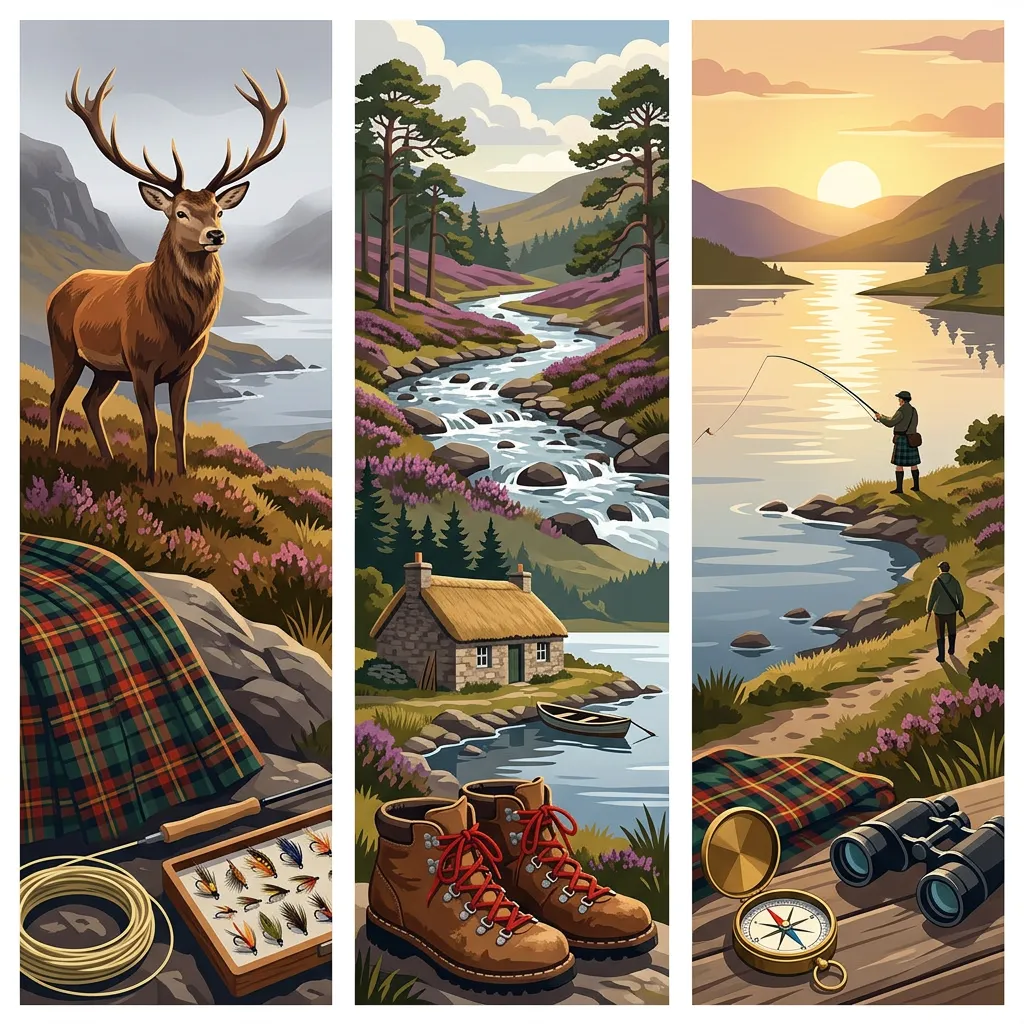
Scottish Highlands for First-Time Visitors: 15 Things to Know
The Scottish Highlands are a bucket-list destination for many travelers, offering dramatic landscapes, historic castles, and a rich cultural heritage. But for first-time visitors from the US, Canada, and elsewhere, planning a trip to this remote and rugged region can feel daunting. Our comprehensive Scottish Highlands exploration guide is a great place to start. Our comprehensive Scottish Highlands exploration guide is a great place to start. This guide covers everything you need to know to make your journey seamless and unforgettable.
1. Pack Smart for Scotland's Variable Weather
Scotland's weather is famously unpredictable, especially in the Highlands. Even in summer, it’s not unusual to experience sunshine, rain, and wind all in one day. Packing well is essential:
- Bring layers: base layers, fleeces, and a waterproof jacket are must-haves.
- Don’t forget waterproof trousers and sturdy hiking boots for outdoor activities.
- Pack lightweight gloves and a hat, even in summer, for windy days at higher altitudes.
Temperatures in summer range from 50°F to 65°F (10°C to 18°C), while winter sees averages closer to 30°F (1°C). Always check the Met Office app for up-to-date weather forecasts before heading out.
2. Driving in the Highlands: What You Need to Know
Renting a car is the best way to explore the Highlands, as public transportation is limited and many attractions are remote. Some tips for first-time drivers:
- Drive on the left side of the road. Practice in quieter areas if needed.
- Single-track roads are common. Use passing places to let oncoming vehicles pass or to allow faster drivers behind you to overtake.
- Fuel up in towns like Inverness, Fort William, or Portree, as rural petrol stations are sparse. Expect prices around £1.50-1.70 per liter.
- Download offline maps on Google Maps or Maps.me as cell service can be spotty in rural areas.
To avoid city traffic, pick up your rental car at an airport (e.g., Inverness or Glasgow) rather than in city centers like Edinburgh. For more details, check out our guide to planning your Scottish Highlands road trip.
3. When to Visit: Best Seasons for a Highlands Trip
The Scottish Highlands are beautiful year-round, but your experience will differ depending on the season:
- May-September: Long daylight hours (up to 17 hours in June) make this the most popular time to visit. Book accommodations and attractions like the Jacobite Steam Train early.
- Shoulder seasons (April, October): Fewer crowds, cheaper B&Bs (£50-100 less per night), and still good weather for outdoor activities.
- Winter (November-March): Snowy peaks and cozy pubs appeal to some, but note shorter daylight hours and limited access to remote areas.
For more details, see our full article on the best time to visit the Scottish Highlands.
4. Must-See Highlights of the Highlands
The Scottish Highlands are vast, so it’s best to focus on key highlights if you’re short on time. Here are some top attractions:
- Glencoe: Drive through the dramatic valley on the A82 and stop for a hike at the Signal Rock trail (1.5 miles, free).
- Isle of Skye: Accessed via the Skye Bridge (from Kyle of Lochalsh), this island is home to the Fairy Pools (2-mile roundtrip hike) and the Old Man of Storr.
- Loch Ness: Visit Urquhart Castle (£13 entry) and enjoy scenic views of the loch. Arrive pre-9 AM to avoid crowds.
- Culloden Battlefield: Learn about the Jacobite uprising at this historic site near Inverness (£11 entry).
- Eilean Donan Castle: One of Scotland’s most photographed castles, located an hour north of the Skye turnoff (£11 entry).
For a complete 3-day itinerary, check out our Highland essentials itinerary.
5. Be Prepared for Midge Season
If you’re visiting between late May and early September, you’ll likely encounter midges—tiny biting insects. They’re most active at dawn and dusk, particularly in damp, still conditions.
- Use DEET insect repellent or Smidge spray (widely available in local shops).
- Consider wearing a midge net or headnet (£5-10).
- Avoid camping or outdoor activities near lochs and glens in the evening.
Don’t let midges ruin your trip. Plan your outdoor activities for midday when they’re less active, especially in areas like Skye and Glencoe.
6. Costs and Budgeting
A trip to the Highlands can be tailored to your budget, but here are some typical costs (as of 2023):
- Car rental: £300-400 per week, plus £150 for fuel.
- Accommodation: B&Bs and midrange hotels cost £100-200 per night in summer; budget £20-40 for campsites.
- Attractions: Entry fees for castles and historic sites range from £10-15 per adult.
- Meals: Pub meals cost £10-20 per person; fine dining is £50+ per person. Tipping is not mandatory but appreciated (around 10%).
To save money, visit in the shoulder seasons, book accommodations early, and take advantage of free activities like hiking and scenic drives.
7. Safety Tips for the Highlands
The Scottish Highlands are very safe for tourists, with low crime rates and friendly locals. However, the weather and rural roads can pose risks:
- Check weather forecasts before outdoor activities and always carry a map, water, and extra layers.
- Drive cautiously on single-track roads and be prepared for sudden fog or rain.
- For hikes like Ben Nevis (8-10 hours roundtrip), inform someone of your plans and carry a fully charged phone.
Wildlife like red deer and Highland cows are common. Enjoy them from a distance and avoid feeding them.
8. Suggested Itinerary: 7 Days in the Highlands
Here’s a sample week-long itinerary to help you plan:
- Day 1-2: Arrive in Edinburgh or Glasgow. Explore the city and pick up your rental car.
- Day 3: Drive to Glencoe (2 hours from Glasgow) and explore the valley.
- Day 4: Visit the Isle of Skye. Base yourself in Portree for the night.
- Day 5: Explore Skye’s highlights (Fairy Pools, Old Man of Storr), then drive to Inverness.
- Day 6: Visit Loch Ness, Culloden Battlefield, and the Speyside Whisky Trail.
- Day 7: Return to Edinburgh/Glasgow and fly home.
For a more detailed guide, see our recommended North Coast 500 road trip itinerary.
FAQ
Do I need a visa to visit Scotland?
US and Canadian citizens don’t need a visa for stays under six months. From 2025, you’ll need an ETA (Electronic Travel Authorisation), which costs £10 and is valid for two years.
How bad are midges?
Midges can be a nuisance in summer but are manageable with DEET repellent and Smidge spray. Avoid outdoor activities at dawn and dusk to minimize exposure.
Is it possible to visit without renting a car?
While possible, it’s challenging. Limited bus routes and schedules make it hard to reach remote areas. A car gives you the flexibility to explore at your own pace.
What’s the best way to see the Harry Potter train?
The Jacobite Steam Train runs from Fort William to Mallaig. Book tickets (£50-90) months in advance, especially for summer. Alternatively, view the train crossing Glenfinnan Viaduct from a hiking trail.
Can I use US dollars in Scotland?
No. Scotland uses the British pound (£). Cards are widely accepted, but carry £20-50 cash for rural areas and small vendors.
Key Takeaways
The Scottish Highlands offer an unforgettable mix of natural beauty, history, and culture. By planning ahead—especially for weather, driving, and accommodations—you can make the most of your trip. Whether you’re hiking Ben Nevis, exploring Skye, or sipping whisky in Speyside, the Highlands promise memories to last a lifetime.
```Share this story
Enjoyed this read? Share it with fellow travellers on Facebook, X (Twitter), LinkedIn, or send the link to a friend.