castles
Outlander vs real history: what's accurate, what's not
Separating fact from fiction in Outlander: exploring Scotland's true history versus dramatic storytelling.
By Highland Explorer Editorial, Highland History Expert - - 6 min read
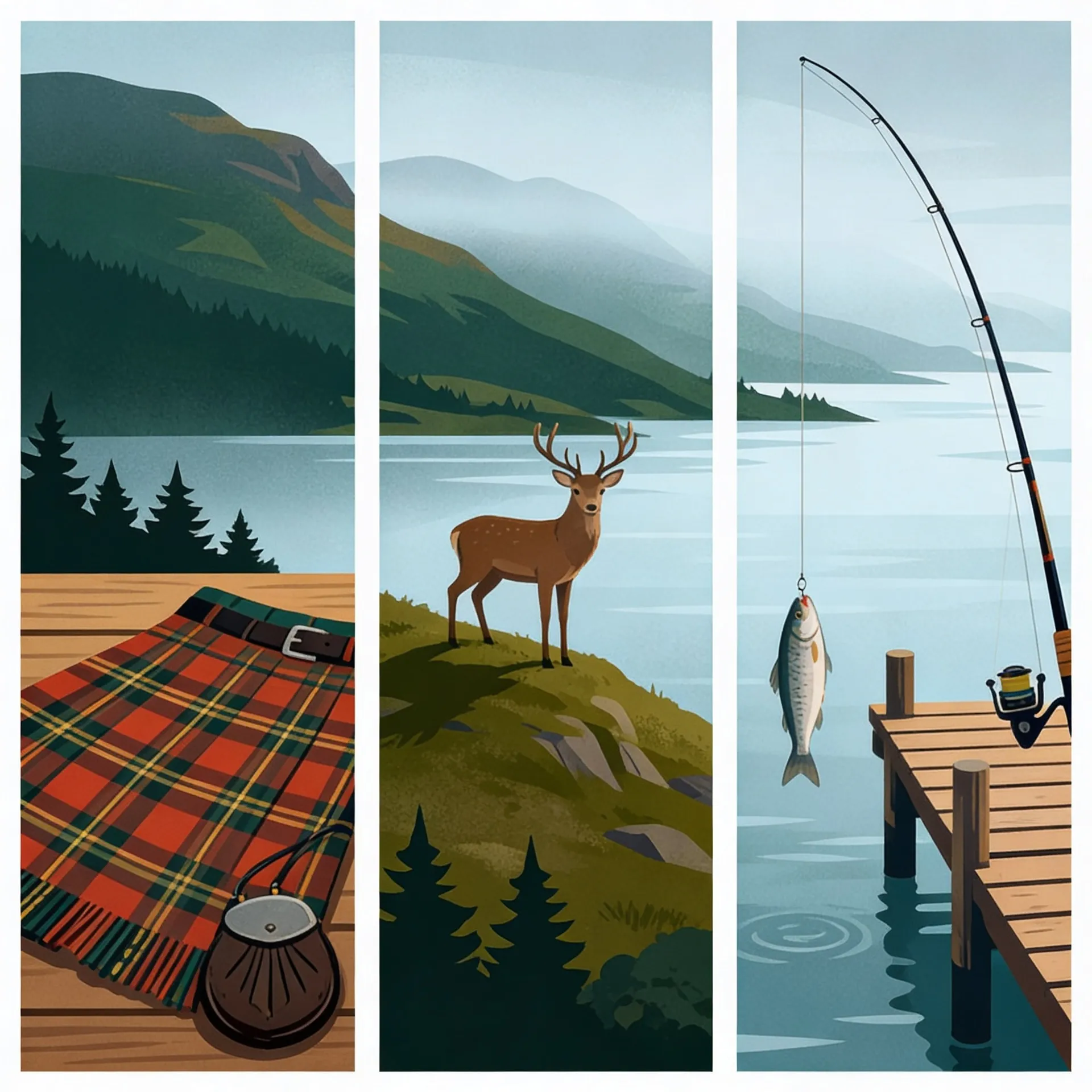
The global phenomenon of Outlander has drawn millions of viewers into the sweeping romance of Claire Randall and Jamie Fraser, set against the turbulent backdrop of 18th-century Scottish Highlands. While the series has captivated audiences with its dramatic storytelling and visually stunning recreation of Highland landscapes, it has inevitably raised questions about the accuracy of its portrayal of historic events like the Jacobite Rising and the Battle of Culloden. How much of Outlander aligns with real history, and where does dramatic licence step in?
This guide delves into the historical truths behind Outlander, highlighting both its authentic depictions and areas where creative liberties were taken. We’ll examine the show’s representation of key events, characters, and cultural shifts, as well as offer practical advice for visiting the real locations tied to these fascinating stories.
History & Significance
The Jacobite Rising of 1745, led by Charles Edward Stuart - better known as Bonnie Prince Charlie - was a bid to reclaim the British throne for the House of Stuart. This rebellion culminated in the Battle of Culloden on 16 April 1746, fought near Inverness. The battle was devastating for the Jacobites: government forces led by the Duke of Cumberland decisively defeated the Highland army in under an hour, leaving over 1,000 Jacobites dead compared to around 50 government fatalities. The aftermath was brutal, with widespread executions, imprisonment, and cultural suppression, including laws banning Highland dress, weapons, and even the playing of bagpipes.
The show portrays these events vividly, capturing the emotional toll on the Highlanders and the cultural persecution that followed. However, while Outlander succeeds in bringing the 18th-century Highlands to life, it simplifies many of the complexities of the Jacobite movement, such as the fractured clan loyalties and religious divisions that characterised the uprising. Historical purists note that these oversights diminish the nuanced reality of Jacobite history in favour of a more cohesive narrative.
What Outlander Gets Right
Despite its fictional framework, Outlander excels in several areas of historical accuracy:
- Battle of Culloden: The series portrays the battle’s brevity and violence with remarkable fidelity. The depiction of the battlefield - boggy terrain ill-suited for the Jacobites’ charge - and the scale of the slaughter accurately reflect eyewitness accounts. The aftermath, including mass executions and cultural suppression, is also portrayed sensitively, highlighting the devastating consequences for Highland society.
- Highland Culture: The show’s attention to detail in costumes and traditions, such as clan tartans and Gaelic music, creates an immersive experience. Clan stones on the Culloden battlefield, marking the losses of specific clans, are faithfully mirrored in the series.
- Cultural Suppression: Outlander vividly depicts the post-battle persecution of Highlanders, including the banning of tartans and weapons under the 1747 Act. While the show foreshadows the Highland Clearances - events that occurred later in history - it raises awareness of the cultural devastation that followed Culloden.
What Outlander Changes
While the series is rooted in historical events, it takes significant liberties for the sake of drama:
- Fictional Characters: The central characters, Claire Randall and Jamie Fraser, are entirely fictional. While Jamie’s role as a clan leader adds emotional depth to the story, there is no historical equivalent to his character or personal arc.
- Simplified Politics: The Jacobite Rising is often depicted as a conflict between unified Highlanders and English oppressors, overlooking the divided loyalties within Scotland. Many clans supported the British Crown, remained neutral, or were split due to religious and political differences.
- Timeline Compression: The series condenses the events leading up to Culloden, ignoring prior Jacobite uprisings and the intricate negotiations and setbacks that shaped the 1745 campaign.
- Dramatic Licence: Episodes often invent subplots for dramatic tension, such as Jamie’s fictional survival and escape from the battlefield. These elements heighten the emotional stakes but stray far from documented history.
Specific Episode Analysis
One of the most compelling arcs of Outlander is its portrayal of Culloden and its aftermath in the Season 2 finale and Season 3 opener. These episodes succeed in depicting the doomed Jacobite stand, reflecting the real decision to fight on terrain that favoured the government forces. The portrayal of the battle’s brutality - 40 minutes of carnage - is historically accurate, though scenes involving Jamie’s field surgery and escape are purely fictional. Post-battle episodes effectively convey the cultural suppression initiated by Cumberland, though the timeline is accelerated for dramatic effect.
Visiting Today
The Culloden Battlefield near Inverness is one of Scotland’s most poignant historical sites. Managed by the National Trust for Scotland, it offers visitors a chance to walk the battlefield, see clan stones marking the fallen, and explore an immersive museum detailing the Jacobite Rising, the battle, and its aftermath. Guided tours provide expert insights into the events of 1746, and special exhibitions delve into topics like the Highland Clearances and cultural suppression.
For fans of Outlander, visiting Culloden is a deeply moving experience. Nearby, you can explore other Jacobite sites featured in the series, such as the routes taken during the march to Derby. For those keen to see the filming locations that brought these stories to life, our Outlander filming locations guide is an invaluable resource.
Opening times for Culloden Battlefield vary seasonally, but the site is typically open year-round, with peak tourism in summer. Tickets can be booked through the National Trust for Scotland’s website. Parking is available on-site, making it easily accessible for travellers to the Highlands.
Key Takeaways
- Historical Foundation: Outlander is rooted in real events like the Battle of Culloden but blends fiction with history.
- Emotional Resonance: The series captures the human cost of rebellion and cultural suppression effectively.
- Fictional Elements: Characters like Claire Randall and Jamie Fraser are inventions, as are many subplots.
- Simplifications: Jacobite politics and internal divisions are streamlined for narrative cohesion.
- Visiting Culloden: A must-see for history enthusiasts, with clan stones and museum exhibits offering a deeper understanding of the Jacobite Rising.
Frequently Asked Questions
How much of Outlander is historically accurate?
While Outlander is grounded in real historical events like the Jacobite Rising and Culloden, it takes significant liberties with timelines, characters, and political complexities. It excels at portraying the emotional and cultural impact of these events but should not be seen as a documentary.
What does Outlander get wrong about Culloden?
The series simplifies the fractured clan loyalties and religious divisions that shaped the Jacobite Rising, presenting a more unified Highland front. While the depiction of the battle’s brutality is accurate, subplots such as Jamie Fraser’s survival and escape are fictional inventions.
For further insights into Highland heritage, explore our detailed guides on the Battle of Culloden, the Clan Fraser, and Outlander’s historical accuracy. These resources will help you uncover the rich, complex history behind Scotland’s most iconic stories.
Share this story
Enjoyed this read? Share it with fellow travellers on Facebook, X (Twitter), LinkedIn, or send the link to a friend.