castles
Outlander: is it historically accurate?
Exploring the historical authenticity of Outlander and its portrayal of Scotland's rich heritage.
By Highland Explorer Editorial, Highland History Expert - - 3 min read
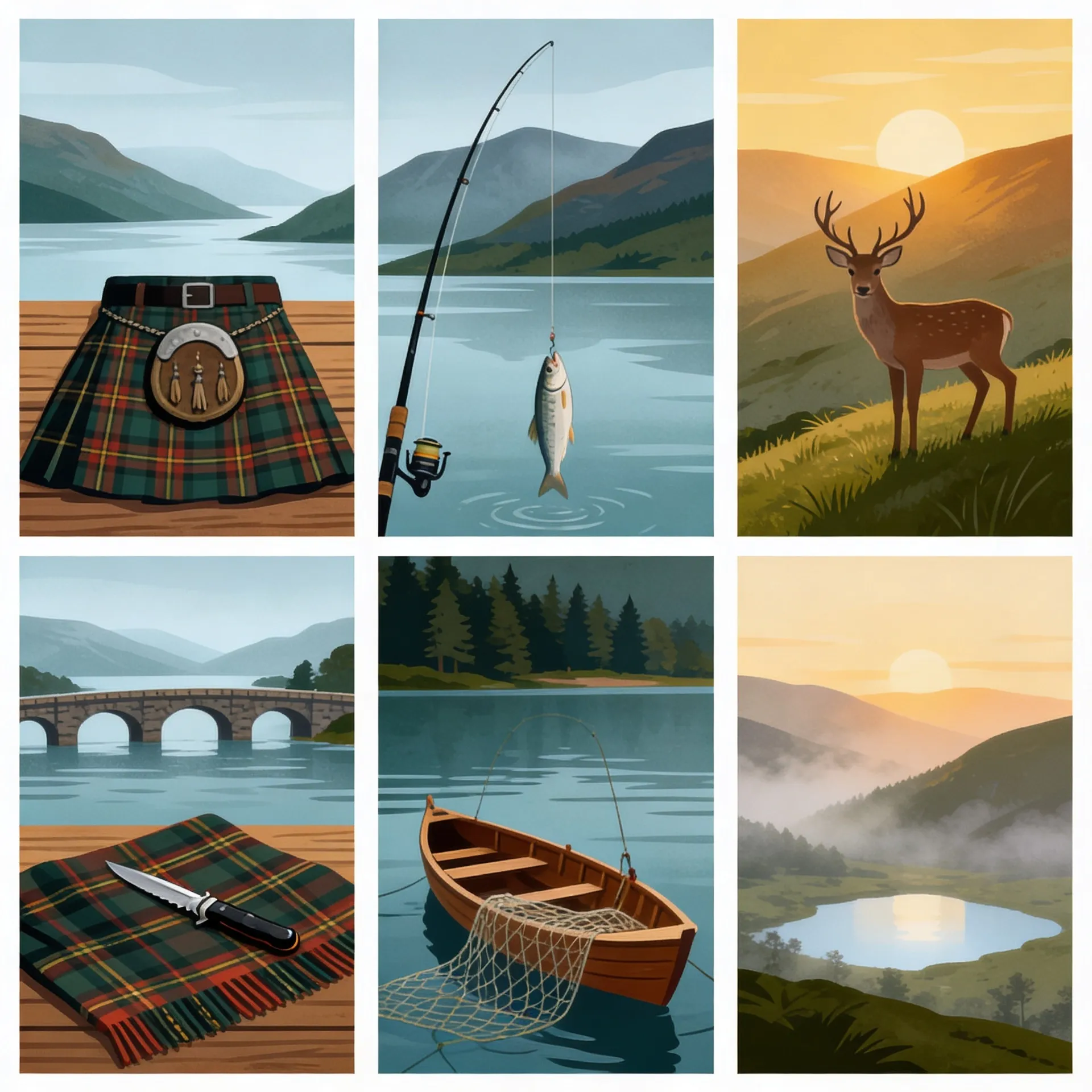
Discovering a connection to Scotland, especially through a show like Outlander, can feel like opening a door to a past rich in culture, history, and emotion. If you've just learned your great-great-grandmother was a MacLeod or Fraser, you're in good company: Outlander has inspired many to explore their Scottish roots. It’s a fascinating blend of history and fiction, weaving real events with imagined stories. But just how accurate is it?
Outlander
Outlander is celebrated for its strong historical foundation. From the Jacobite Rising of 1745 to the infamous Battle of Culloden, major events and figures are depicted with genuine care. The locations are equally authentic: many scenes feature historic castles and stunning Highland landscapes. Even the costumes and cultural details, like the Gaelic language and traditional herbal medicine, reflect careful research.
That said, Outlander takes liberties to keep its story engaging. Jamie Fraser, for example, is fictional, though inspired by tales of real Fraser clansmen. The show simplifies complex historical alliances, such as the divided loyalties among Scots during the Jacobite era. Events like Culloden are condensed for dramatic effect. And, of course, there’s the time travel element, which is pure fantasy.
For fans curious about the real history, exploring sites like Culloden Battlefield or diving into clan histories can be an emotional experience. If you’re a Fraser, consider reading more about your ancestors in our Clan Fraser history guide, or plan a trip using our Outlander filming locations guide!
Key Takeaways
- Locations: Many Highland sites and castles featured in Outlander are historically accurate and open to visitors.
- Events: The Jacobite Rising, Culloden, and the broader historical context are well-researched, but simplified for storytelling.
- Characters: Jamie Fraser is fictional but inspired by historical figures, including real Fraser soldiers.
- Cultural details: The portrayal of clan life, healing practices, and Gaelic language reflects careful research, though some aspects are romanticised.
- Historical liberties: Factions, battle tactics, and character involvement are adjusted to heighten drama.
Frequently Asked Questions
How accurate is Outlander historically?
Outlander is a mix of fact and fiction. It captures real events like Culloden, clan life, and Jacobite struggles with care, but simplifies alliances and adds fictional characters for drama. It’s a compelling way to explore Scottish history, with stunning attention to detail.
Did the events in Outlander really happen?
Many events, such as the Jacobite Rising and Culloden, are historically accurate. Figures like Bonnie Prince Charlie and Flora MacDonald played real roles. However, characters like Jamie Fraser and time travel are fictional. For deeper insight, visit our Battle of Culloden guide.
Whether you’re learning about your ancestry or simply diving into Scotland’s past, Outlander offers a powerful starting point. It may not be perfect history, but it’s a rich, emotional gateway into the stories of this remarkable land. Who knows? Exploring further might uncover a connection to the clans or battles featured in the show. If you’re inspired to visit, start with our Outlander filming locations guide and immerse yourself in the places where history and fiction blend beautifully.
Share this story
Enjoyed this read? Share it with fellow travellers on Facebook, X (Twitter), LinkedIn, or send the link to a friend.