castles
Scotland's most haunted locations: what the evidence says
Exploring ghostly tales and paranormal evidence behind Scotland's spookiest and most mysterious historic sites
By Highland Explorer Editorial, Highland History Expert - - 4 min read
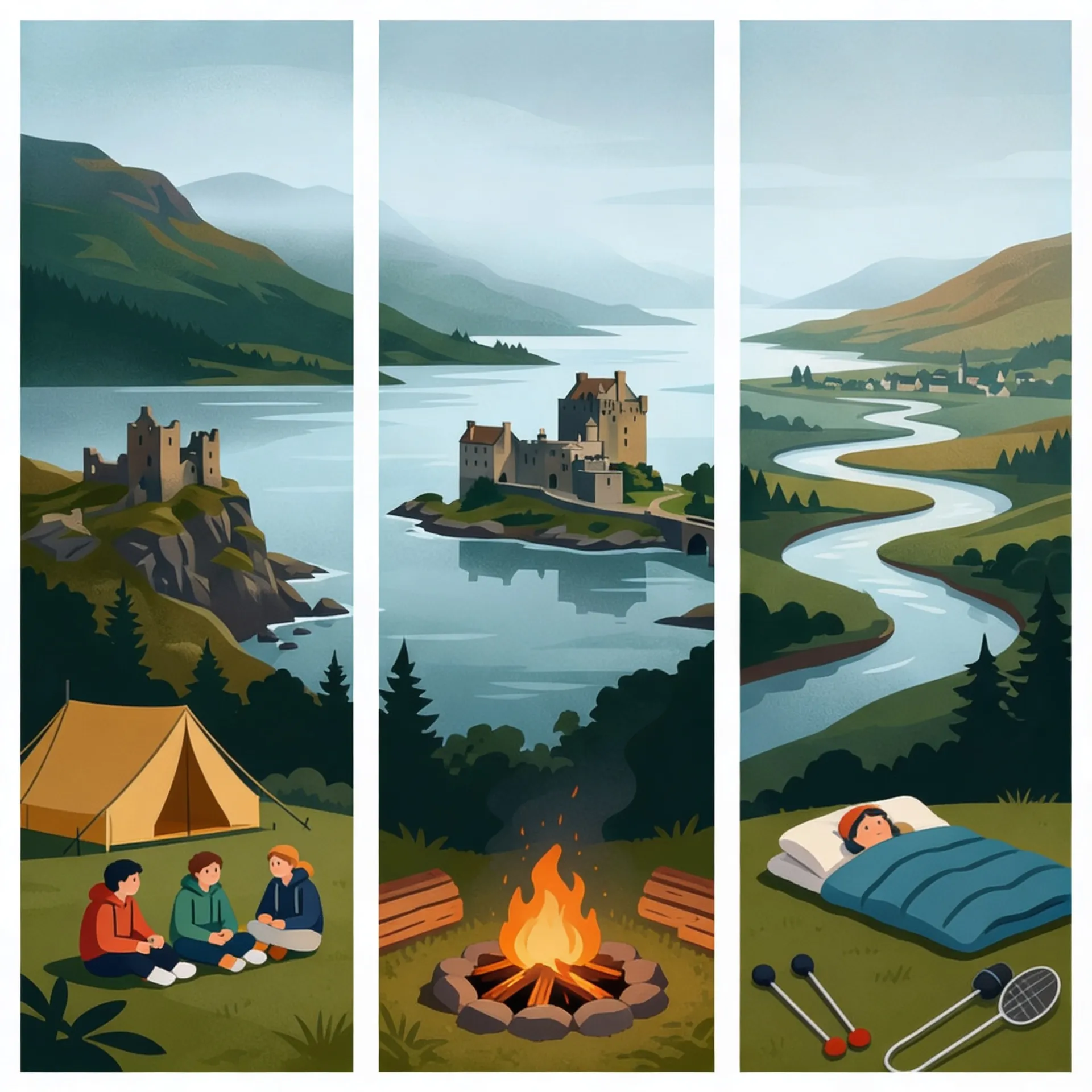
Scotland’s reputation as a land steeped in history, folklore, and eerie tales is well earned. From mist-shrouded castles to underground vaults, the country boasts sites that have captivated the imagination of dark history enthusiasts for centuries. But how much of Scotland's haunted lore is rooted in fact, and how much is simply a product of storytelling? Let’s examine the evidence - or lack thereof - behind four of Scotland’s most reputedly haunted places.
Scotland's most haunted locations
Castle Stuart, near Inverness, is often described as one of Scotland’s most haunted spots. Legends include headless ghosts, disembodied screams, and eerie apparitions that supposedly plague the East Tower. Yet the castle’s documented history tells a different story: it was abandoned after the Battle of Culloden and suffered damage during a storm in 1798. The haunting tales largely surfaced after its abandonment, with no verified deaths or archaeological evidence to back them up. Skeptics point to environmental factors like infrasound from the nearby Moray Firth or the psychological effects of expectation bias, especially in its current guise as a hotel. For more details, see our Castle Stuart haunting guide.
Edinburgh Vaults, buried beneath South Bridge, are infamous for their tales of poltergeists and shadowy figures, including the sinister "Mr. Boots". Historically, these vaults were used as slums, workshops, and taverns in the 19th century before they were sealed due to unsafe conditions. Rediscovered during the 1980s, they’ve since become a popular ghost tour destination. While TV shows have claimed evidence of paranormal activity here, no peer-reviewed studies have validated these claims. Skeptics argue that damp conditions, poor lighting, and suggestion during tours account for much of the reported phenomena.
Glamis Castle, the ancestral seat of the Lyon family, is renowned for its ghost stories, including the "Monster of Glamis", a supposed deformed heir walled up alive, and the Grey Lady, said to be Lady Janet Douglas, who was executed for witchcraft in 1537. These legends, though chilling, lack concrete evidence. No archaeological studies or renovations have uncovered anything to support the tales. The monster story is widely thought to be a fabrication from the 19th century, while the witchcraft narrative reflects Scotland’s dark history of persecution.
Dunrobin Castle, with its fairytale-like design, is linked to the tragic tale of a Grey Lady said to have died after being hurled from a tower. Historically, Dunrobin is better known for its role in the Highland Clearances, which brought real suffering and death to the surrounding area in the early 19th century. The ghost stories appear to be unverified, emerging long after these events. Skeptics argue that the castle’s wind-swept location and vast halls could easily explain the eerie sensations described by visitors.
Key Takeaways
- None of Scotland’s most haunted locations have archaeological or scientific evidence proving paranormal activity.
- Folklore surrounding these sites often emerged in the 17th-19th centuries, reflecting periods of upheaval, superstition, and real historical tragedies.
- Visitor experiences, such as cold spots or apparitions, are often attributed to psychological factors like priming and expectation bias.
- Many "hauntings" coincide with commercial ghost tours or hotels capitalising on supernatural legends.
- For a deeper dive into eerie castle myths, check out our haunted castles guide.
Frequently Asked Questions
What is the most haunted place in Scotland?
While several locations claim the title, Castle Stuart near Inverness is often cited due to its chilling legends of headless ghosts and screams. However, these stories lack archaeological and scientific evidence. Other contenders include the Edinburgh Vaults and Glamis Castle, both rich in folklore but similarly unverified.
Is there real evidence of ghosts in Scottish castles?
No. To date, no archaeological finds or peer-reviewed investigations have confirmed the existence of ghosts in Scotland’s castles. Reports of paranormal activity are anecdotal and often explained by environmental factors or psychological suggestion.
Share this story
Enjoyed this read? Share it with fellow travellers on Facebook, X (Twitter), LinkedIn, or send the link to a friend.