castles
Castle Stuart: the most haunted building near Inverness
Discover chilling tales and eerie legends surrounding this historic fortress in the Scottish Highlands.
By Highland Explorer Editorial, Highland History Expert - - 6 min read
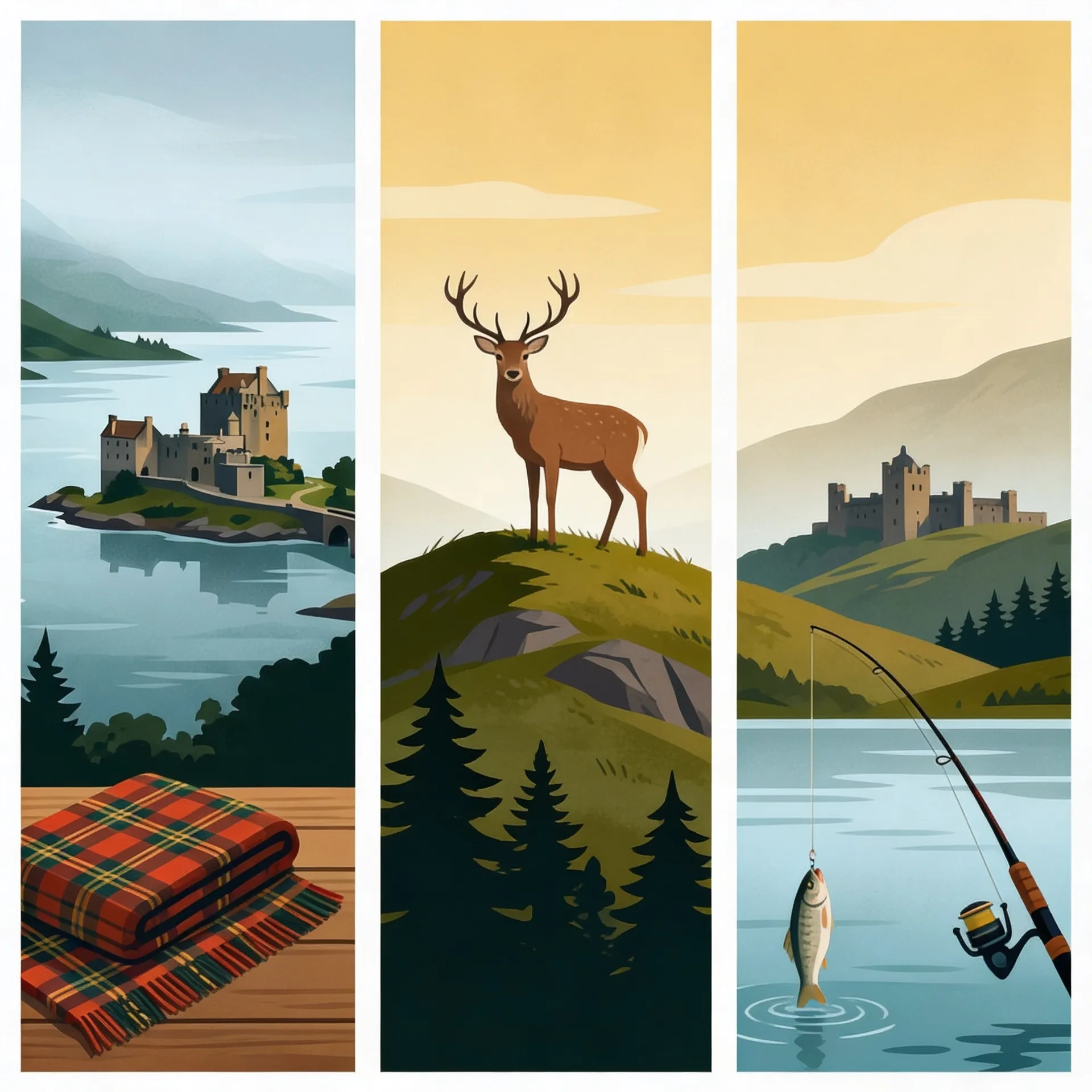
Castle Stuart, nestled just seven miles from Inverness, is a striking 16th-century fortress with an aura of mystery and history. While its battlements now host luxury guests and golf enthusiasts, the castle’s reputation for hauntings has drawn curious visitors for decades. Stories of ghostly apparitions, eerie noises and inexplicable events have become part of its lore, intertwined with the turbulent history of the Highlands. Whether you're a sceptic or a believer, Castle Stuart remains one of the most intriguing haunted castles of the Highlands.
History & Significance
The story of Castle Stuart begins in 1561 when James Stewart, Earl of Moray and an illegitimate son of King James V, initiated its construction. As a Protestant reformer and advisor to Mary, Queen of Scots, his political life was rife with tension. His assassination in 1570 cut his ambitions short, and while this tragedy is documented in Scottish history, it bears no direct connection to the hauntings later attributed to the castle.
The structure was finally completed in the early 17th century under James Stuart, 3rd Earl of Moray, but it soon became a target of clan rivalry. In 1629, the castle was sacked by the Clan McIntosh during a violent feud, forcing the Stuarts to abandon their stronghold. Though the castle was eventually restored, this event left a mark on its history, and tales of clan violence may have contributed to the ghostly legends.
In 1798, a powerful storm tore through the area, ripping the roof from the East Tower. This part of the castle was sealed off for over a century, giving rise to rumours of a “haunted room” hidden behind its closed doors. By 1835, Castle Stuart was abandoned entirely, allowing decay and superstition to flourish in equal measure. Restoration efforts began in the 21st century, transforming the once-derelict site into a luxury hotel, but many visitors remain drawn by the castle’s darker stories.
Ghost Stories and Folklore
The haunted reputation of Castle Stuart centres on the East Tower, where servants and visitors have reported eerie phenomena for centuries. Disembodied footsteps echoing through the halls, blood-curdling screams in the night and the spectral figure of a headless Highlander are among the most common tales.
One well-known legend tells of a farmer passing by the castle in the 18th century who claimed to see a man’s body hurled from a tower window amidst flashing lights and unearthly screams. As he stood frozen in terror, a devilish face allegedly appeared at the window, grinning down at him. While this story is a staple of local folklore, no historical records exist to corroborate such an event.
Another tale involves the Earl’s factor, who reportedly held overnight challenges in the “haunted room” to test its paranormal reputation. Among the challengers, a minister claimed to dream of a giant covered in blood, while a shoemaker reported being attacked by a cloven-hoofed figure that left him unconscious. None of these accounts have named witnesses or verifiable dates, but they continue to feed the castle’s mystique.
Modern guests of the hotel have also reported strange occurrences: whispers in empty rooms, the scent of perfume in unused spaces and screams echoing on the stairways. These experiences mirror the older folklore, though no formal investigations have substantiated the claims. The castle’s owners have embraced its haunted reputation as part of its charm, but they maintain that the stories are just as likely to be flights of fancy as fact.
Visiting Today
Today, Castle Stuart is a luxurious destination offering overnight stays, fine dining and access to its renowned golf course. Guests can enjoy the grandeur of the restored interiors while soaking in the atmospheric setting of the Scottish Highlands. Although the East Tower has been restored, it remains closed to the public, preserving its air of mystery.
Visitors interested in history and folklore can explore the castle grounds and hear tales of its storied past. While there are no formal ghost tours or overnight challenges, the staff are often happy to share the legends that have made Castle Stuart famous. Whether you come for the history, the architecture or the possibility of encountering something otherworldly, the castle offers a unique blend of luxury and intrigue.
For those planning a visit, Castle Stuart is conveniently located near Inverness, making it an ideal addition to a Highland itinerary. Check the hotel’s website for availability, as the castle’s reputation as one of the best castles near Inverness ensures it is often booked well in advance.
Key Takeaways
- Castle Stuart is a 16th-century castle located near Inverness, now operating as a luxury hotel and golf resort.
- The castle has a reputation for hauntings, particularly in the East Tower, though these are based on folklore rather than documented events.
- Historical tragedies include the sacking of the castle by Clan McIntosh in 1629 and storm damage in 1798 that led to the sealing of the East Tower.
- Ghost stories include reports of disembodied footsteps, screams, a headless Highlander and a devilish figure, though none are substantiated by primary evidence.
- Modern visitors have reported similar eerie experiences, but these remain anecdotal and unverified.
Frequently Asked Questions
What are the ghost stories of Castle Stuart?
The most famous ghost stories of Castle Stuart involve the East Tower. Legends include disembodied footsteps, blood-curdling screams, a headless Highlander and a devilish face seen grinning from a tower window. While these tales are compelling, they are rooted in folklore and lack historical documentation.
Can you stay overnight at Castle Stuart?
Yes, Castle Stuart operates as a luxury hotel, offering overnight stays in beautifully restored rooms. While the East Tower is not open to the public, guests often share stories of eerie experiences, adding to the castle’s atmospheric charm.
Has anything been proven?
No, there is no archaeological or historical evidence to confirm paranormal activity at Castle Stuart. The ghost stories are based on oral traditions and local folklore rather than verified events. The documented history of the castle, however, is rich with clan conflicts and natural disasters.
Whether you’re drawn by its ghostly legends or its historical significance, Castle Stuart is a must-see for those exploring Scotland’s darker past. For more details, visit our Castle Stuart visiting guide.
Share this story
Enjoyed this read? Share it with fellow travellers on Facebook, X (Twitter), LinkedIn, or send the link to a friend.