Visit
Loch Lomond and the Trossachs: Day Trip Guide from the Highlands
Explore breathtaking landscapes, serene lochs, and charming villages on a perfect Highlands day trip adventure.
By Highland Explorer, Editorial Team - - 7 min read
Loch Lomond vs the Highlands: Understanding the Geography
Loch Lomond and the Trossachs National Park are often mistaken as part of the Scottish Highlands due to their rugged hills, sprawling landscapes, and abundant natural beauty. However, this iconic region sits just beyond the Highland Boundary Fault—a geological divide separating the Highlands from the Lowlands. Strategically located, the park is a short drive from major cities like Glasgow and Edinburgh, making it an accessible yet breathtaking destination for those traveling Scotland by road.
Covering 1,865 square kilometers, the park is home to Loch Lomond, the largest freshwater loch in the UK by surface area at 71 square kilometers. The loch stretches an impressive 37 kilometers in length and plunges to depths of 190 meters, making it a hub for water sports and boating activities. Surrounding the loch are 21 Munros (mountains over 914 meters), including Ben Lomond, which attracts hikers year-round and is Scotland's second most-climbed Munro. With lush forests, rolling hills, and quaint villages dotted along the shoreline, Loch Lomond offers a countryside escape rivaling even the grandeur of Loch Ness.
While the Highlands are renowned for their vast, untamed wilderness, Loch Lomond and the Trossachs provide a more accessible version of Scotland’s rugged charm. The park serves as a bridge between the Lowlands and Highlands, offering visitors a taste of both regions' unique landscapes and atmospheres. Its proximity to urban centers also makes it a convenient starting point for those venturing into the Highlands, creating a seamless transition from city to countryside.
Top Things to Do at Loch Lomond
Whether you're an outdoor enthusiast, wildlife lover, or history buff, Loch Lomond has activities to suit every interest. Here are some highlights:
- Hike Ben Lomond: A must-do for adventurers, this iconic Munro offers panoramic views of the loch and surrounding mountains. The ascent is challenging but rewarding, ideal for experienced hikers or anyone looking to tackle a peak that’s both scenic and accessible.
- Explore Luss Village: Known for its charming cottages and waterfront views, Luss is a picturesque spot popular for day trips. Fun fact: it has been featured in film and TV, including scenes from James Bond productions.
- Boat Trips and Water Sports: From kayaking to paddleboarding, Loch Lomond is a paradise for water lovers. Companies like GoBoats offer self-drive boating experiences, giving you a unique way to explore the loch’s islands and hidden shores.
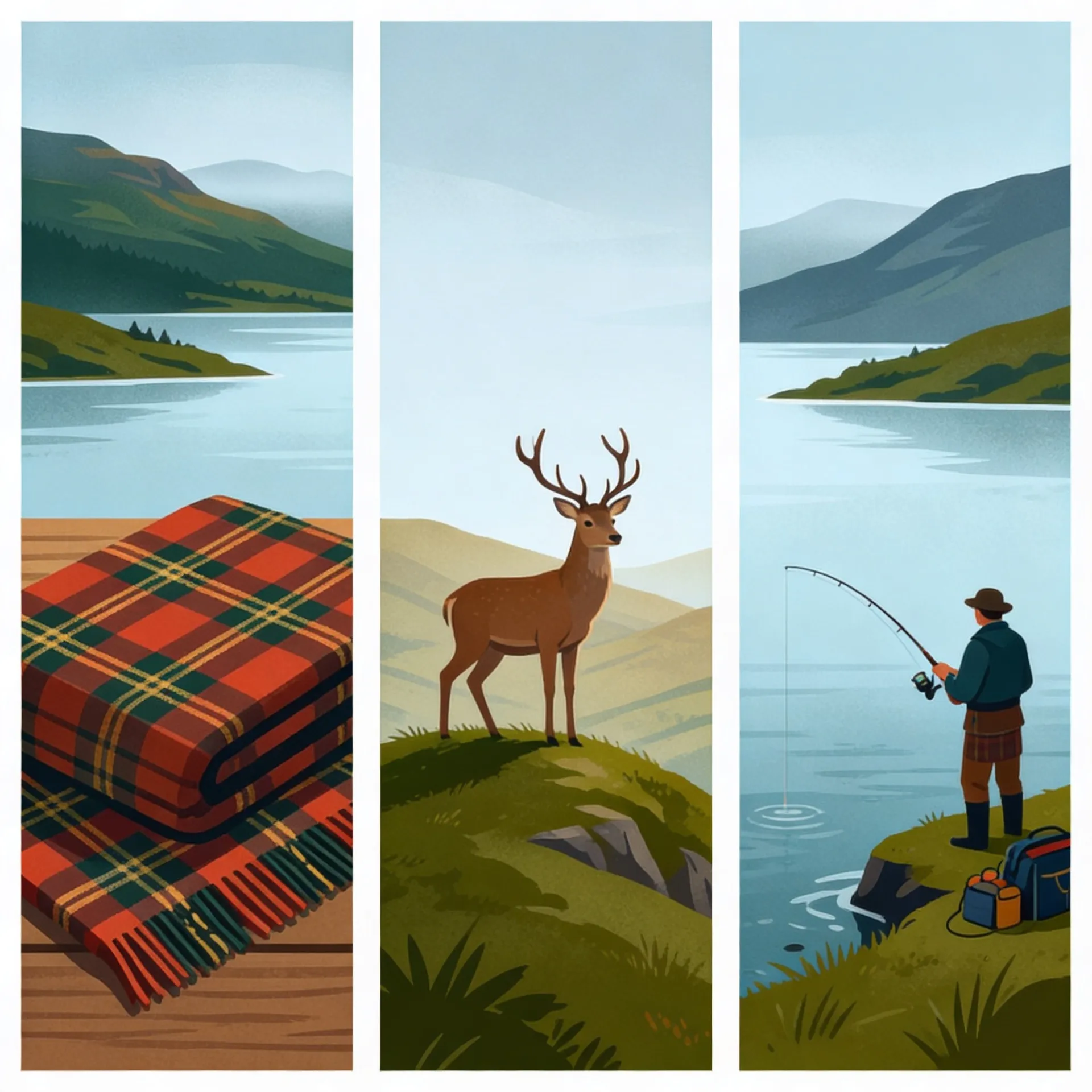
- Wildlife Watching: The park is a haven for wildlife, with red deer, osprey, and even golden eagles calling the area home. Keep an eye out for these majestic creatures while hiking or relaxing along the loch.
- Visit Balloch Castle Country Park: Located at the southern tip of Loch Lomond, this expansive park offers scenic walking trails and gardens. It’s a great spot for picnics and enjoying views of the loch.
- Take a Cruise: Join guided cruises that navigate the loch’s waters, offering commentary on its history, legends, and wildlife. These cruises are perfect for soaking in the scenery without breaking a sweat.
- Explore Loch Lomond’s Islands: The loch is home to over 30 islands, each with its own unique charm. Inchmurrin, the largest island, boasts fascinating ruins and a chance to uncover local history.
For those seeking a more tailored itinerary, you can browse Highland itineraries to ensure your visit includes these must-dos and more.
The Trossachs: Scotland's Little Highlands
Often referred to as "Scotland’s Little Highlands," the Trossachs area is a mesmerizing mix of rugged hills, glens, and tranquil lochs. Aberfoyle and Callander are two of the most popular towns in the region, with Callander being the largest settlement in the park. With a population of 3,160, Callander serves as a gateway to Queen Elizabeth Forest Park, a hotspot for hiking and biking trails.
History enthusiasts will love delving into the legend of Rob Roy MacGregor, Scotland’s infamous outlaw whose stories are deeply tied to the Trossachs. You can visit sites like Rob Roy’s Grave or follow trails inspired by his escapades. For nature lovers, Queen Elizabeth Forest Park offers diverse flora and fauna, while Aberfoyle is perfect for exploring waterfalls and woodland walks.
The Trossachs also offer a quieter, more intimate experience compared to the Highlands. While the Highlands are often associated with towering peaks and dramatic landscapes, the Trossachs provide a softer, more accessible version of Scotland’s beauty. Its glens and lochs offer plenty of opportunities for leisurely walks, scenic drives, and tranquil escapes.
Day Trip Routes from the Highlands
Coming from the Highlands to Loch Lomond and the Trossachs is a straightforward journey, offering some of Scotland’s most scenic drives along the way. Whether you’re starting in Inverness, Fort William, or Aviemore, here’s how to plan your route:
- Inverness: Departing from Inverness, follow the A9 south until you connect to the M80 near Stirling, eventually reaching Loch Lomond. The drive covers 145 miles and takes approximately 2.5 to 3 hours.
- Fort William: Take the A82 south through Glencoe, an area renowned for its dramatic peaks and valleys. This 70-mile drive takes about 1.5 hours and is a highlight for any road trip enthusiast. Check out our Glencoe essential visitor guide for more tips.
- Aviemore: From Aviemore, follow routes that connect to Perth and Stirling for a scenic journey. The drive typically takes 2 to 3 hours, giving ample time to soak in the views of Scotland’s rolling countryside.
Where to Stop Along the Way: The Best of the A82
For visitors driving along the A82, the journey to Loch Lomond is as much about the stops as the destination itself. Highlights include:
- Glencoe: Famous for its towering peaks and dramatic landscapes, Glencoe is a must-visit. Stop for a hike or simply take in the views. If you're planning a longer adventure, consider scenic drives beyond the NC500 to expand your trip.
- Rannoch Moor: This vast, wild expanse of boggy terrain is hauntingly beautiful and offers a stark contrast to the greener areas near Loch Lomond.
- Bridge of Orchy: A quaint village perfect for a quick stop or even an overnight stay. The area offers walking trails and serene vistas.
- Crianlarich: Known as the “gateway to the Highlands,” this small village is a fantastic spot to rest and refuel before continuing your journey.
- Tyndrum: Another charming stop along the A82, Tyndrum offers dining options and access to beautiful trails. It’s also home to the famous Green Welly Stop, a perfect place to grab snacks and souvenirs.
Practical Tips for Your Visit
To make the most of your trip to Loch Lomond and the Trossachs, keep these practical tips in mind:
- Parking: During peak summer months (July-August), parking can be limited at popular spots like Luss and Rowardennan. Arrive early to secure a spot or consider using public transportation where available.
- Accommodation: Options range from B&Bs in Tarbet to glamping sites near Callander. Book early during summer as demand is high. For low-carbon accommodations, check out the £2 million Tarbet hub.
- Best Time to Visit: While summer offers the warmest weather, spring and autumn deliver quieter trails and vibrant landscapes. See our guide on the best time to visit the Scottish Highlands for seasonal insights.
- Dining Options: Balloch and Callander offer excellent dining spots, from cozy pubs to fine restaurants serving local produce.
- Outdoor Gear: Scotland’s weather can be unpredictable, so pack layers and waterproof clothing. Comfortable walking shoes are essential for exploring trails.
- Local Events: Check the calendar for local festivals or events. Loch Lomond often hosts cultural and outdoor activities that enhance your visit.
Frequently Asked Questions
Is Loch Lomond part of the Scottish Highlands? No, Loch Lomond lies south of the Highland Boundary Fault, separating the Highlands from the Lowlands. However, it offers landscapes reminiscent of the Highlands. How far is Loch Lomond from Inverness? Loch Lomond is approximately 145 miles from Inverness, with a drive time of 2.5 to 3 hours depending on traffic and route. What can you do at Loch Lomond? Activities include hiking Ben Lomond, exploring Luss village, enjoying water sports like kayaking and boat trips, and wildlife watching. The park is ideal for outdoor enthusiasts. Is Loch Lomond worth visiting? Absolutely. It’s Scotland's most popular countryside destination, attracting around 4 million visitors annually. Its mix of natural beauty, outdoor activities, and historic charm make it an unforgettable experience.For more ideas on planning your trip, check out our guide to planning a Scottish Highlands road trip.
Share this story
Enjoyed this read? Share it with fellow travellers on Facebook, X (Twitter), LinkedIn, or send the link to a friend.