Visit
Kilts, Clans and Culloden: A Guide to Highland History and Culture
Discover Scotland's rich heritage, iconic traditions, and dramatic tales woven into its breathtaking Highlands
By Highland Explorer, Editorial Team - - 7 min read
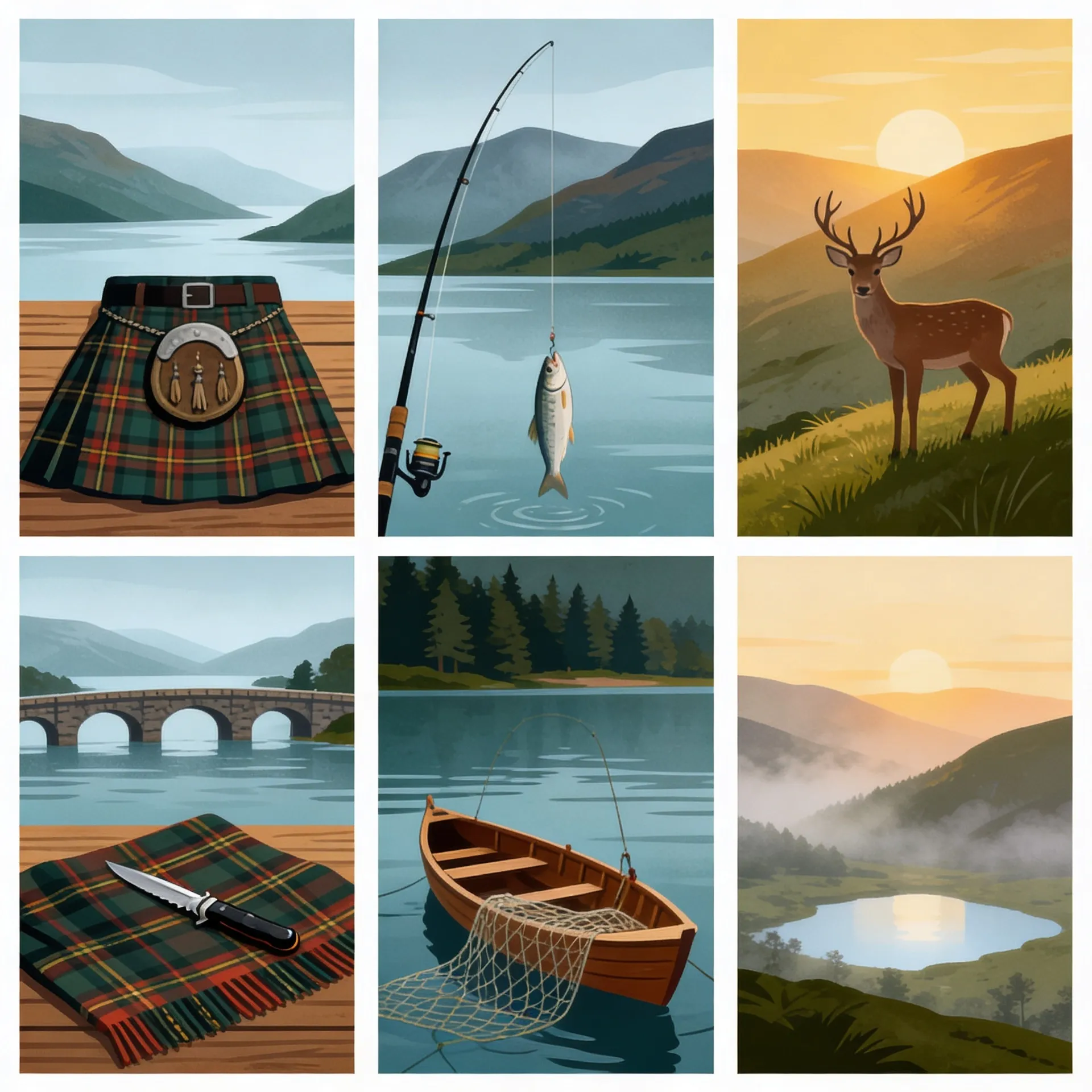
Scotland’s Highlands are a land of sweeping glens, mist-shrouded mountains, and a culture steeped in history. From the echo of battle cries on Culloden Moor to the swirl of tartan kilts at Highland Games, the region offers a rich tapestry of heritage for visitors to explore. For the descendants of Scottish clans across the globe and history enthusiasts alike, the Highlands serve as a gateway to the past—a place where stories of bravery, identity, and resilience are etched into the landscape. Let this guide take you deep into the heart of Highland history and culture, uncovering the legacy of kilts, clans, and Culloden.
The Battle of Culloden: Scotland's Most Defining Moment
The Battle of Culloden, fought on April 16, 1746, near Inverness, was a pivotal event in Scottish history. This final confrontation of the Jacobite rising of 1745 saw Prince Charles Edward Stuart—affectionately known as "Bonnie Prince Charlie"—lead his Highland army into a crushing defeat against government forces commanded by the Duke of Cumberland. In less than an hour, the battle claimed the lives of an estimated 1,500-2,000 Jacobite soldiers, a devastating toll that marked the end of the Stuart claim to the British throne.
The consequences of Culloden were profound. It led to the systematic dismantling of the traditional Highland clan system, the infamous Highland Clearances, and harsh cultural suppression, including the banning of tartans and Gaelic. Today, Culloden Battlefield, managed by the National Trust for Scotland, serves as a sobering reminder of this critical turning point. Interpretive trails, an immersive visitor center, and memorial stones commemorating the fallen invite visitors to reflect on the battle’s impact.
Culloden remains one of the most visited historical sites in the Highlands, often included in tours alongside nearby attractions like Clava Cairns and Loch Ness. For those planning a visit, guided tours provide in-depth insights into the site’s history. To delve deeper into the events of the day, read the story of Culloden in detail.
The Jacobite Story: Bonnie Prince Charlie and the Rising of 1745
The Jacobite uprisings (1689-1746) were a series of attempts to restore the Stuart monarchy to the British throne. The most famous of these was the 1745 rising, led by Bonnie Prince Charlie. Landing in the Hebrides in July 1745, he rallied clans at Glenfinnan, raising his standard and marching southward as far as Derby in England. Despite early victories at Prestonpans and Falkirk, the campaign faltered, culminating in the devastating loss at Culloden.
The aftermath of the uprising reshaped the Highlands. The British government imposed the Proscription Acts, banning Highland dress and weapons, and enforced harsh measures to dismantle clan power. Despite this, the Jacobite story lives on in the Highlands' romanticized folklore and heritage tourism. Visitors can trace the rebellion’s history at sites like the Glenfinnan Monument, where the uprising began, or explore Jacobite-themed attractions such as the Braemar Highland Gathering, which celebrates Scotland’s cultural resilience.
Clans and Tartans: Finding Your Scottish Roots
The Highland clan system was more than a family structure; it was a way of life. Clans, led by chiefs, operated as extended kinship groups with shared lands and loyalty. They were central to Highland society, with feuds, cattle raiding, and mutual protection defining their existence. However, the system was dismantled in the wake of Culloden, and many clans were displaced during the Highland Clearances.
Today, there are over 150 active clan societies worldwide, preserving their heritage through museums, gatherings, and genealogy projects. For diaspora communities in America, Canada, and Australia, tracing ancestral roots has become a significant draw to the Highlands. Tools such as DNA testing and visits to clan heritage sites—like the Clan Donald Centre on Skye or the museum at Culloden—help visitors connect with their past.
Tartan, an enduring symbol of clan identity, is woven into Highland culture. Each pattern represents a specific clan, with popular designs like Royal Stewart and Black Watch recognized worldwide. Visitors can embrace this tradition by wearing tartan during events like Highland Games or renting a kilt for a ceilidh. For more on clan heritage and iconic castles, explore our guide to the best castles in the Scottish Highlands.
Highland Games: Living History at Its Most Spectacular
The Highland Games are perhaps the most vibrant celebration of Scotland’s culture. Dating back to the 11th century, these gatherings were originally clan competitions to identify the strongest warriors. Today, they are lively festivals featuring athletic events like the caber toss and hammer throw, alongside Highland dancing, piping, and tug-of-war contests.
In 2026, the calendar is packed with unmissable events. Highlights include the Braemar Highland Gathering on September 5, attended by the Royal Family, and the Cowal Highland Gathering in Dunoon from August 27-29, the world’s largest Highland Games. For full details, see our Highland Games 2026 complete guide.
Attending a Highland Games event is a thrilling way to experience Scotland's living history. Be sure to arrive early to enjoy traditional food stalls, browse artisan crafts, and soak up the infectious energy of the crowd.
The Gaelic Culture: Language, Music and Tradition
Gaelic, the native language of the Highlands, is an integral part of the region’s identity. Despite centuries of decline, efforts to revive Gaelic have seen a resurgence, with over 57,000 speakers recorded in the 2021 census. The language is most vibrant in the Western Isles, but visitors can experience it across the Highlands through bilingual signage, Gaelic music, and events.
Ceilidh dancing and traditional music, featuring instruments like the fiddle and bagpipes, are central to Highland culture. Many local pubs and festivals host live music sessions, offering visitors a chance to join the fun. The Highland Folk Museum in Newtonmore is a fantastic stop for those interested in exploring traditional ways of life, including crafts and music.
How to Experience Highland Culture as a Visitor
The Highlands provide countless opportunities for cultural immersion. Start your journey at iconic historical sites like Culloden and Eilean Donan Castle. Take a guided tour to learn about the region’s history, from Jacobite battles to clan traditions. For a taste of the Highlands, indulge in local delicacies like haggis, smoked salmon, and Scotch whisky—distillery tours in Speyside and the Isle of Skye are highly recommended.
An ideal itinerary might include a visit to Inverness, with its upcoming Inverness Castle Experience in 2026, a drive along the North Coast 500, and a day at the Highland Games. Whether you’re exploring your ancestry or simply soaking in the culture, the Highlands offer something for everyone.
Highland history stretches far beyond Culloden. The Massacre of Glencoe in 1692 is another pivotal event in Scottish history, where the MacDonald clan was killed by government troops in a betrayal that shocked the nation. Our Glencoe essential visitor guide covers the history and the dramatic landscape where it unfolded.
Want to weave Highland history into a multi-day journey? Our curated Highland itineraries include heritage routes that take in Culloden, Urquhart Castle, Eilean Donan and other key sites across the region.
Frequently Asked Questions
What happened at the Battle of Culloden? The Battle of Culloden, fought on April 16, 1746, was the final conflict of the Jacobite rising of 1745. The government forces defeated the Jacobite army, marking the end of the Stuart claim to the British throne and leading to significant cultural and social changes in the Highlands. What are Highland Games? The Highland Games are traditional Scottish festivals featuring athletic competitions, Highland dancing, bagpiping, and other cultural displays. Originally clan gatherings, they are now popular events celebrating Scotland’s heritage. What is the Jacobite uprising? The Jacobite uprisings (1689-1746) were attempts to restore the Stuart monarchy to the British throne. The most famous was the 1745 rising led by Bonnie Prince Charlie, ending in defeat at the Battle of Culloden. What is Scottish clan culture? Scottish clans were kinship groups led by a chief, central to Highland life until their decline after Culloden. Clans had unique tartans and shared lands, and their heritage is preserved today through museums and societies.Share this story
Enjoyed this read? Share it with fellow travellers on Facebook, X (Twitter), LinkedIn, or send the link to a friend.