quick-fire
Culloden Battle at a Glance
The battle that reshaped the Scottish Highlands in less than an hour
By Highland Explorer, Editorial Team - - 3 min read
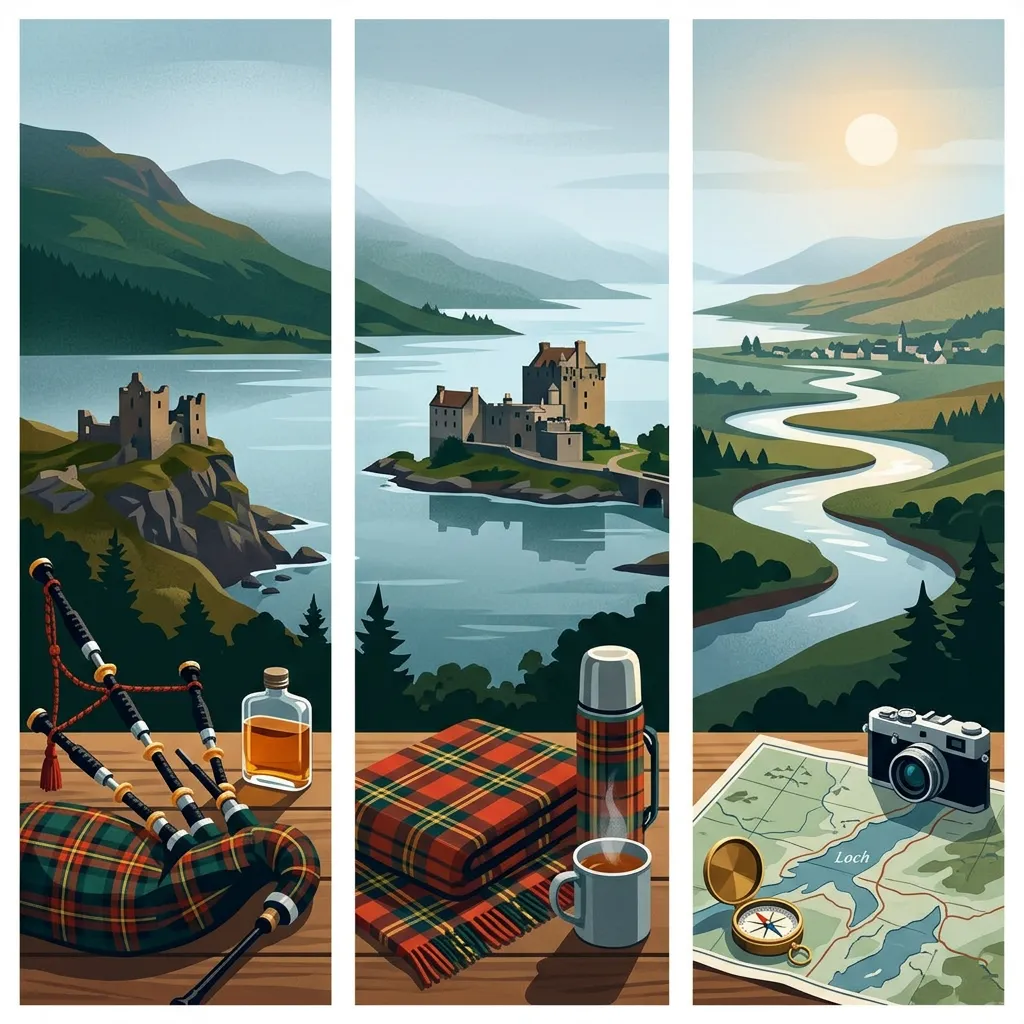
The Battle of Culloden, fought on 16 April 1746, was short, brutal, and decisive. In less than an hour, it brought the Jacobite Rising of 1745 to a violent end and reshaped the future of the Scottish Highlands.
The battle took place on Drumossie Moor, just east of Inverness. The wide, open, boggy ground was a critical factor in the outcome. It offered no cover and played directly into the strengths of the British government army, while fatally weakening the Jacobites' traditional fighting style.
The Jacobite force, led by Charles Edward Stuart (Bonnie Prince Charlie), numbered around 6,000–7,000 men. Many were exhausted, hungry, and poorly supplied after days of failed manoeuvres and an overnight march. Opposing them were roughly 8,000 government troops under Prince William Augustus, Duke of Cumberland—well-rested, well-armed, and professionally trained.
Before the Jacobites could even advance, government artillery inflicted heavy losses. When the Jacobites finally launched their famous Highland charge, they were forced to cross open ground under sustained musket and cannon fire. Only parts of the line reached the enemy, and those that did were met with disciplined bayonet tactics designed specifically to counter sword-armed Highland fighters.
The Jacobite line broke quickly. What followed was not a prolonged battle, but a collapse. As men fled the field, government cavalry pursued them, cutting down many during the retreat. Casualties were catastrophic: an estimated 1,500–2,000 Jacobites killed or wounded, compared with around 300 government casualties.
Culloden was more than a military defeat. It ended the Jacobite cause and triggered a harsh aftermath across the Highlands. In the months that followed, the British government imposed severe measures to dismantle the clan system, banning traditional dress, disarming the population, and breaking the social structure that had defined Highland life for centuries.
Today, Culloden remains one of the most powerful historic sites in Scotland. The moor is preserved much as it was in 1746, marked by clan grave stones and a memorial cairn—quiet, exposed, and deeply moving. Standing there, it's easy to understand why this short battle left such a long shadow over Highland history.
Culloden FAQs
How long do you need to visit Culloden Battlefield?
Most visitors spend 1.5 to 2 hours at Culloden, which allows time for the visitor centre, the battlefield walk, and the main memorial areas. History enthusiasts often stay longer to explore the terrain in more detail.
Is Culloden suitable for children or non-history buffs?
Yes. Even without deep historical knowledge, the open moorland, clear storyboards, and immersive theatre help visitors understand what happened in a very accessible way.
Can you walk freely around the battlefield?
Yes. The battlefield is open and clearly marked, with paths across the moor and clan grave stones positioned where units fought. Visitors are asked to stay on paths out of respect for the site.
What's the best time of day to visit Culloden?
Early morning or late afternoon tends to be quieter and more atmospheric. Midday can be busier, especially in summer and around anniversary dates in April.
How does Culloden fit into a wider Highlands trip?
Culloden is easy to combine with Inverness, Loch Ness, and Clava Cairns in a single day, making it a natural stop on a Highlands self-drive itinerary.
Do you need to be interested in Jacobite history to appreciate Culloden?
Not at all. Many visitors find the site powerful simply because of the setting and what it represents—a turning point that reshaped Highland life and culture.
Share this story
Enjoyed this read? Share it with fellow travellers on Facebook, X (Twitter), LinkedIn, or send the link to a friend.