castles
Culloden to Glenfinnan: the Jacobite driving route
Discover Scotland's historic landscapes, iconic battlefields, and Jacobite landmarks on this unforgettable driving route.
By Highland Explorer Editorial, Highland History Expert - - 6 min read
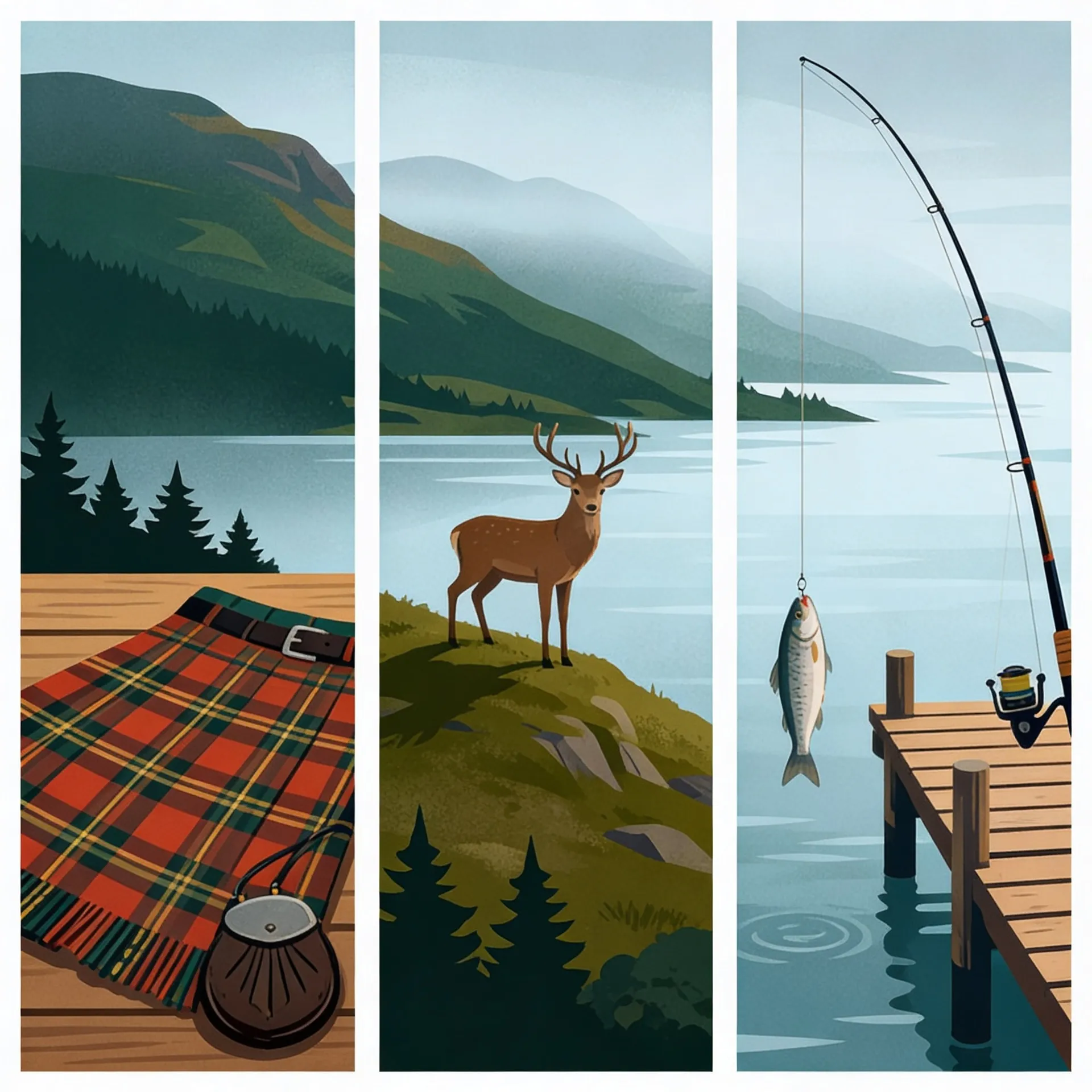
The journey from Culloden to Glenfinnan is more than a drive through the dramatic landscapes of the Scottish Highlands. It is a poignant pilgrimage that follows the footsteps of the Jacobite Rising of 1745, threading together two places indelibly marked by the struggle for the Stuart cause. From the solemn moor where dreams of restoration were crushed to the shores of Loch Shiel where hope was once kindled, this route connects history, landscape, and memory. For those with an interest in Jacobite history, it is a journey of reflection and discovery.
Stretching approximately 100-110 miles (160-177 kilometres), this driving route can be completed in a single day. However, to fully appreciate the significance of the landmarks and the beauty of the surroundings, it is advisable to allow a day or two, stopping along the way to explore. This guide will take you through the route, provide practical advice, and highlight key locations that will enrich your understanding of the Jacobite cause and its enduring legacy.
History & Significance
At Culloden Moor, on 16 April 1746, the Jacobite army under Charles Edward Stuart - known as Bonnie Prince Charlie - faced the government forces led by the Duke of Cumberland. It was the final and decisive battle of the Jacobite Rising of 1745, a campaign that sought to restore the exiled Stuart monarchy to the British throne. The battle ended in a devastating defeat for the Jacobites. Over 1,500 of them were killed or wounded in less than an hour, and the aftermath saw brutal reprisals against Highland communities.
By contrast, Glenfinnan was the site of a beginning. On 19 August 1745, Prince Charles raised his standard at the head of Loch Shiel, rallying clans to his cause and marking the start of the Rising. Both places serve as bookends to a story of courage, loyalty, and loss that resonates deeply with visitors from around the world, particularly those with Scottish ancestry or an interest in rebellion and freedom.
Visiting Today
Culloden Battlefield
The journey begins at Culloden Battlefield, just outside Inverness. Managed by the National Trust for Scotland, this site is sensitively preserved to honour the memory of those who fought and died here. The visitor centre offers an immersive exhibition with artefacts, interactive displays, and a powerful 360-degree immersive film that places you in the centre of the battle. Guided tours of the moor provide deeper insight into the events of the day and the landscape itself, dotted with clan graves and memorials.
The visitor centre is open daily, with slight seasonal variations in hours. Parking is available on-site, and admission fees apply. It is recommended to set aside at least two hours to fully explore the centre and battlefield.
Driving Through the Great Glen
Leaving Culloden, the route follows the A9 towards Inverness before joining the A82, which meanders along the Great Glen. This natural fault line cuts through the Highlands, linking a series of lochs and the Caledonian Canal. The stunning scenery alone makes this drive memorable, but there are several worthwhile stops along the way.
Inverness
Scotland’s Highland capital lies just a short distance from Culloden. If time permits, take a stroll along the River Ness or visit Inverness Castle, which played a role in Jacobite history. It is an ideal place to stock up on supplies before continuing west.
Loch Ness and Urquhart Castle
The route skirts the northern shore of Loch Ness, offering opportunities to stop and admire one of Scotland’s most famous bodies of water. A detour to Urquhart Castle is highly recommended. This evocative ruin, overlooking the loch, was held by government forces during the 1745 Rising and subsequently destroyed to prevent its use by Jacobites.
Fort Augustus
At the southern tip of Loch Ness lies Fort Augustus, a charming village centred around the Caledonian Canal. It provides a good midpoint for refreshments and a chance to watch boats navigate the canal’s impressive lock system.
Glenfinnan Monument and Viaduct
As the road approaches Glenfinnan, the landscape becomes even more dramatic. Set against the backdrop of Loch Shiel and rugged hills, the Glenfinnan Monument commemorates the raising of the Jacobite standard in 1745. The monument, topped with the statue of a lone Highlander, is a poignant tribute to those who answered Prince Charles’s call. The visitor centre provides insightful displays, and a short climb to the viewpoint offers breathtaking vistas of the loch and surrounding glen.
Nearby, the Glenfinnan Viaduct is an icon of a different kind. This 21-arch railway bridge, made famous by the Harry Potter films, carries the Jacobite steam train - a nostalgic journey in its own right. Check the train's schedule to witness it crossing the viaduct, a sight that delights history enthusiasts and film fans alike.
Prince's Cairn
For those continuing west beyond Glenfinnan, a visit to the Prince’s Cairn on the shores of Loch nan Uamh is worthwhile. This simple memorial marks the spot where Bonnie Prince Charlie departed Scotland for the last time, escaping to France after the failure of the Rising. It is a place of quiet reflection, surrounded by the beauty of the Highlands.
Key Takeaways
- Starting Point: Begin your journey at Culloden Battlefield near Inverness, a site of profound historical significance.
- Scenic Drive: Follow the A82 through the Great Glen, passing iconic landmarks such as Loch Ness and Fort Augustus.
- Glenfinnan Highlights: Visit the Glenfinnan Monument and Viaduct, both steeped in history and surrounded by stunning scenery.
- Historical Reflection: End your journey at the Prince’s Cairn, a quiet place to reflect on the Jacobite story.
- Plan Ahead: Allow 1-2 days to fully appreciate the route, with time for stops and exploration.
Frequently Asked Questions
How far is Culloden from Glenfinnan?
The distance between Culloden and Glenfinnan is approximately 100-110 miles (160-177 kilometres), depending on your exact route. It is a scenic drive that takes you through some of the most beautiful parts of the Scottish Highlands.
How long does the drive take?
The drive typically takes between 2.5 and 3 hours without extended stops. However, to truly appreciate the route and its historical landmarks, it is recommended to allocate a full day or even two days.
What should I stop at along the way?
Key stops include Culloden Battlefield, Inverness, Loch Ness (with a detour to Urquhart Castle), Fort Augustus, and the Glenfinnan Monument and Viaduct. For those with more time, the Prince’s Cairn is another meaningful site to visit.
The journey from Culloden to Glenfinnan offers a unique opportunity to connect with Scotland’s Jacobite past while experiencing the timeless beauty of the Highlands. For a broader exploration of this period, consider following the complete Jacobite trail, which links many more significant sites across the country.
Share this story
Enjoyed this read? Share it with fellow travellers on Facebook, X (Twitter), LinkedIn, or send the link to a friend.