hiking
Beinn Eighe: Guide to Scotland's First National Nature Reserve
Exploring rugged trails, rare wildlife, and stunning landscapes in Scotland's pioneering nature sanctuary.
By Highland Explorer Editorial, Highland Expert - - 6 min read
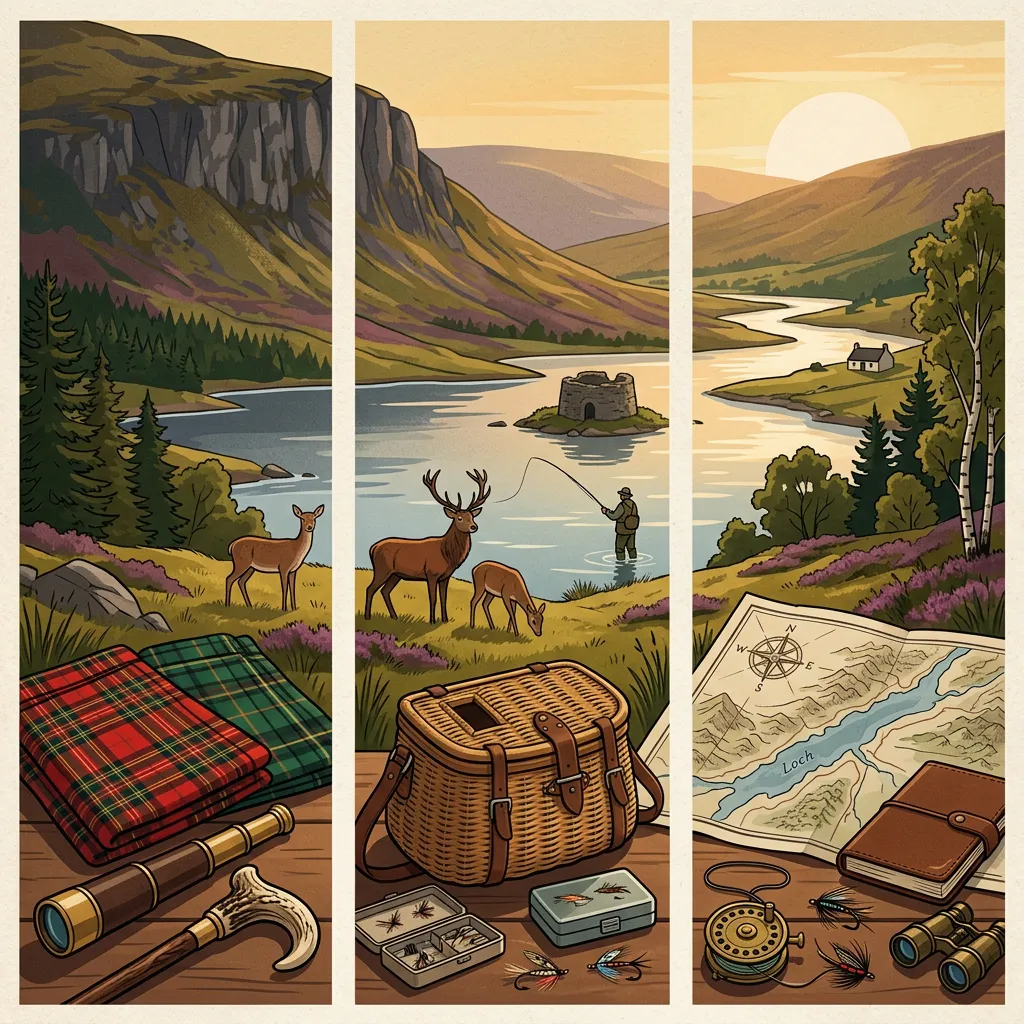
The rugged beauty of Beinn Eighe, situated in the heart of Torridon, offers an unforgettable hiking experience. Known as Britain’s first National Nature Reserve, established in 1951, this iconic mountain boasts two Munro summits: Ruadh-stac Mòr (1,010m) and Spidean Coire nan Clach (993m). With its dramatic ridges, quartzite scree slopes and awe-inspiring corries, Beinn Eighe is a must-visit for experienced hillwalkers. Whether tackling the full west-to-east traverse or exploring low-level trails through ancient Caledonian pinewoods, this mountain has something for all adventurers. Join us as we delve into every detail you need to plan your Beinn Eighe walk.
Route Overview
Distance: 16-21km (depending on route variations) Total ascent: 1,100-1,455m Time required: 7-11 hours Start/finish point: Car park on the A896 near Coille na Glas-Leitir (Grid Reference: NG 968 766) Difficulty: StrenuousThis guide focuses on the full traverse of Beinn Eighe, a challenging adventure that rewards with breathtaking views, incredible geological features and the chance to summit two Munros. For those not ready for a full-day hike, the Beinn Eighe nature trail offers an easier, low-level alternative.
Getting to the Start
The starting point for the Beinn Eighe walk is the car park on the A896, located between Kinlochewe and Torridon. From Inverness, follow the A835 towards Garve, then take the A832 west through Achnasheen to Kinlochewe. From Kinlochewe, continue northwest along the A896 for approximately 7km until you reach the car park at Coille na Glas-Leitir (Grid Reference: NG 968 766).
If travelling by public transport, buses run from Inverness to Kinlochewe, but onward options to the car park are limited. A taxi can be arranged from Kinlochewe to the trailhead. Be sure to check timetables in advance as services can be infrequent.
The Walk Step by Step
The full west-to-east traverse of Beinn Eighe is a demanding but rewarding hike. Below is a detailed breakdown of the route in stages:
Stage 1: Coille na Glas-Leitir to Loch Coire Mhic Fhearchair
From the car park, follow the well-trodden path northwest into Coire Dubh Mòr. The path gently ascends through heather moorland, offering stunning views of neighbouring peaks such as Liathach. Skirt around the base of Sail Mhòr to reach the dramatic Loch Coire Mhic Fhearchair (Grid Reference: NG 950 780), cradled beneath the towering Triple Buttress. This glacially-carved corrie is one of Scotland’s most iconic mountain landscapes. Take a moment to soak in the view before continuing.
Stage 2: Loch Coire Mhic Fhearchair to Ruadh-stac Mòr
Cross the outflow of the loch and follow the path along its eastern edge. The route then ascends steeply through a series of rocky steps and lochans, eventually leading to a quartzite scree slope. A short scramble on the right-hand side provides easier access to the ridge. Once on the ridge, continue westwards to the summit of Ruadh-stac Mòr (1,010m), the highest point on Beinn Eighe. The summit’s pale quartzite cap offers magnificent panoramic views, including Loch Maree and the Torridon peaks.
Stage 3: Ruadh-stac Mòr to Spidean Coire nan Clach
From Ruadh-stac Mòr, retrace your steps briefly before heading east along the ridge. The traverse involves some scrambling and careful navigation over boulder fields. For those seeking an added challenge, an optional detour to the Black Carls provides a chance to explore dramatic quartzite pinnacles. Continue along the ridge to reach the second Munro, Spidean Coire nan Clach (993m). From here, take in views of the Liathach ridge in Torridon, its serrated silhouette rising impressively across the glen.
Stage 4: Descent to Coille na Glas-Leitir
The descent begins eastward along the ridge before dropping down steep, loose paths. Care is needed here, particularly in poor visibility. Eventually, the path rejoins the Coire Dubh Mòr trail, leading back to the starting point at the car park. Allow plenty of time for the descent, as tired legs and rocky terrain can make this section challenging.
What You Will Need
- Sturdy hiking boots with good ankle support
- Waterproof clothing: weather conditions can change rapidly
- OS Landranger Map 25 and a compass (or GPS device)
- Plenty of food and water for a full day on the hill
- First aid kit, whistle and survival bag
- Head torch with spare batteries
- Ice axe and crampons (in winter conditions)
Due to the exposed nature of the route, a good level of fitness and experience in mountain navigation are essential. The best time to attempt the full traverse is between May and October, though snow can linger on the ridges well into late spring.
Safety and Hazards
Beinn Eighe is a remote and rugged mountain, presenting several potential hazards. The quartzite scree slopes are loose and require careful footing, while sections of the ridge involve scrambling. Weather conditions can deteriorate quickly, with high winds, rain and poor visibility common even in summer. Always check the forecast before setting out and be prepared to turn back if necessary.
In winter, snow and ice make the ridges significantly more challenging, requiring winter mountaineering skills and equipment. Torridon Mountain Rescue operates in this area: ensure you carry a fully charged phone and know how to use a map and compass.
Key Takeaways
- The full Beinn Eighe traverse covers 16-21km with 1,100-1,455m ascent.
- Two Munros: Ruadh-stac Mòr (1,010m) and Spidean Coire nan Clach (993m).
- Start at the car park on the A896 near Coille na Glas-Leitir (Grid Reference: NG 968 766).
- Prepare for exposed terrain, steep ascents and unpredictable weather.
- Carry navigation tools, food, water and appropriate clothing.
Where to Stay Nearby
There are several accommodation options in the area:
- A cosy hotel with a bar and restaurant, located in Kinlochewe village.
- A budget-friendly option offering dormitory rooms and self-catering facilities.
- A luxury retreat in a converted Victorian hunting lodge near Loch Torridon.
Frequently Asked Questions
How many Munros does Beinn Eighe have?
Beinn Eighe has two Munro summits: Ruadh-stac Mòr (1,010m) and Spidean Coire nan Clach (993m). Ruadh-stac Mòr is the higher of the two and is often reached first on the west-to-east traverse.
Is Beinn Eighe hard?
Yes, the full traverse of Beinn Eighe is considered strenuous. It involves steep ascents, quartzite scree, exposed ridges and significant elevation gain. Experience in mountain navigation and a good level of fitness are essential.
What is Coire Mhic Fhearchair?
Coire Mhic Fhearchair is a dramatic glacial corrie on Beinn Eighe, famous for the Triple Buttress cliffs that tower above its loch. It is widely regarded as one of Scotland’s most spectacular mountain features.
When is the best time to walk Beinn Eighe?
The best time to walk Beinn Eighe is between May and October, when conditions are generally more favourable. However, even in summer, the weather can change rapidly, so be prepared for all eventualities. In winter, snow and ice add significant challenges.
If you’re captivated by the beauty of Torridon, consider exploring other nearby peaks such as Beinn Alligin in Torridon, An Teallach in Wester Ross or Slioch above Loch Maree.
Share this story
Enjoyed this read? Share it with fellow travellers on Facebook, X (Twitter), LinkedIn, or send the link to a friend.