castles
Clan Rose: the Black Isle clan and Kilravock Castle
Unveiling the history of Clan Rose, its roots on the Black Isle, and Kilravock Castle legacy.
By Highland Explorer Editorial, Highland History Expert - - 6 min read
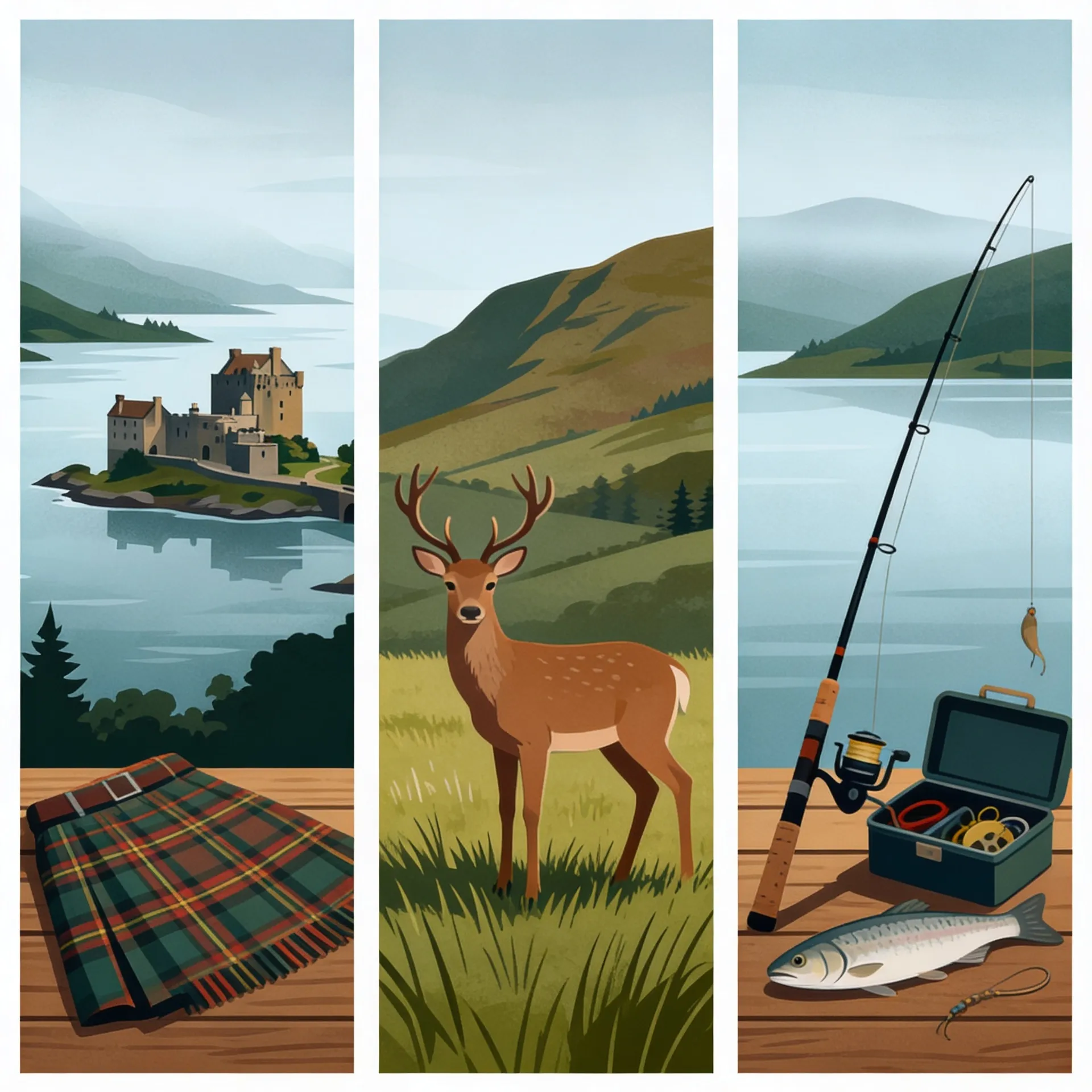
So, you’ve discovered that your great-great-grandmother was part of Scotland's rich tapestry of clans. Perhaps she whispered tales of castles and heroes, or maybe she left only a faint trace - just her name and a hint of mystery. If your search has led you to the Roses of Kilravock, welcome home. This is the beginning of a journey filled with history, resilience and the deep-rooted pride of a clan whose story spans eight centuries.
Clan Rose may not be the most famous Scottish clan, but its legacy is one of quiet strength: a Norman family who found a home in the Highlands, built a castle on the banks of the River Nairn and kept their seat through centuries of conflict and change. Their story is intertwined with Scotland’s history, yet remains uniquely theirs - marked by loyalty, diplomacy and an enduring connection to their ancestral home, Kilravock Castle.
History & Significance
The journey of Clan Rose begins with the Norman de Ros family, who arrived in Scotland during King David I’s reign in the 12th century. Settling initially at Geddes near Nairn, the Roses soon established their roots in the Highlands. It was through marriage that their fortunes truly flourished: Hugh Rose of Geddes married Marie de Bosco in the late 13th century, acquiring the lands of Kilravock. This union laid the foundation for what would become one of the most enduring clan seats in Scotland.
Kilravock Castle, built in 1460 by the 7th chief, Hugh Rose, stands proudly on the banks of the River Nairn in Nairnshire. Unlike many other castles in Scotland, Kilravock has rarely been besieged. Instead, it has served as a symbol of stability and diplomacy through turbulent times. This resilience is mirrored by the clan itself, which has consistently navigated Scotland’s upheavals with a careful balance of loyalty and pragmatism.
During the Wars of Independence, Clan Rose supported Robert the Bruce - a decision that forever aligned them with Scotland’s fight for freedom. Later, during the Jacobite risings, the Roses largely sided with the government, yet their story includes a fascinating twist. On the night before the Battle of Culloden in April 1746, Bonnie Prince Charlie stayed at Kilravock Castle, hosted by Hugh Rose, the 16th Laird. Despite his Hanoverian leanings, Hugh extended Highland hospitality to the Prince, while the Duke of Cumberland lodged in the Rose townhouse in nearby Nairn. This moment encapsulates the clan’s ability to navigate complex loyalties without compromising their values or losing their seat.
It’s worth noting that while some may confuse Clan Rose with Clan Ross or associate them with the Black Isle, their lands were centred in Nairnshire. Early holdings like Geddes and Kilravock are firmly rooted near the River Nairn, distinct from the Black Isle of Ross-shire. If you’re tracing your lineage, it’s important to keep these geographic distinctions in mind.
Visiting Today
For those yearning to connect with their heritage, Kilravock Castle is the heart of Rose country. Located near Croy in Nairnshire (postcode IV12 5QY), the castle offers visitors a chance to step back in time. While the castle is still privately owned, it opens seasonally for tours and events. Be sure to check clanrose.org for specific visiting hours and availability, especially as the site is currently undergoing preservation efforts.
As you explore the grounds, you’ll find yourself swept away by the whispers of history. The River Nairn flows alongside the castle, offering a peaceful backdrop for reflection. Nearby, you can visit other Rose-related sites, including the remnants of Geddes and local markers that celebrate the clan’s legacy. Nairn Museum is an excellent stop for those who want to dive deeper into the local history, although there is no dedicated Clan Rose visitor centre.
Beyond Kilravock, the surrounding area brims with Highland heritage. Just a short drive away is Culloden Battlefield, where you can walk the hallowed ground of Scotland’s final Jacobite conflict. Cawdor Castle, tied to another allied clan, is also nearby and offers fascinating insights into Highland clan life. For those with a broader interest in regional history, the Black Isle provides stunning scenery and connections to other local stories.
Practical details include parking onsite at Kilravock and options for guided tours. If you’re planning a visit, remember that Highland weather can be unpredictable - bring sturdy shoes and a waterproof jacket. Above all, take your time. This is not just a sightseeing trip; it’s a chance to connect with your roots and rediscover the stories that make your family unique.
Key Takeaways
- Clan Rose descends from the Norman de Ros family, settling in Scotland during the 12th century.
- Kilravock Castle was built in 1460 and remains the ancestral seat of the clan, symbolising its resilience.
- Despite favouring the government during Jacobite risings, Hugh Rose hosted Bonnie Prince Charlie at Kilravock the night before Culloden.
- The clan’s lands are centred in Nairnshire, distinct from the Black Isle, with early holdings at Geddes and Kilravock.
- Visitors can explore Kilravock Castle (seasonally open) alongside nearby heritage sites like Culloden Battlefield and Nairn Museum.
For more on this area, see our guide to clan ancestral seats.
Frequently Asked Questions
Where is the Clan Rose seat?
The ancestral seat of Clan Rose is Kilravock Castle, located near Croy in Nairnshire. Built in 1460, it has remained in the family’s possession for centuries, symbolising the clan’s enduring legacy.
Can you visit Kilravock Castle?
Yes, Kilravock Castle is open for tours on a seasonal basis. Visitors are encouraged to check clanrose.org for up-to-date information on opening hours and events.
Did Bonnie Prince Charlie stay at Kilravock?
Yes, Bonnie Prince Charlie stayed at Kilravock Castle on the night before the Battle of Culloden in 1746. Hugh Rose, the 16th Laird, hosted the Prince despite his own Hanoverian sympathies, demonstrating Highland hospitality.
Your journey into Clan Rose’s history is just beginning. Whether you’re tracing family lines or simply exploring Scotland’s clans, Kilravock Castle and its surrounding lands offer more than history - they offer a homecoming. So take that first step, reconnect with your heritage and let the stories of Clan Rose inspire you.
Share this story
Enjoyed this read? Share it with fellow travellers on Facebook, X (Twitter), LinkedIn, or send the link to a friend.