castles
Castle Stuart: Inverness's most haunted castle
Uncover chilling tales and rich history at Castle Stuart, a legendary haunt near Inverness.
By Highland Explorer Editorial, Highland History Expert - - 5 min read
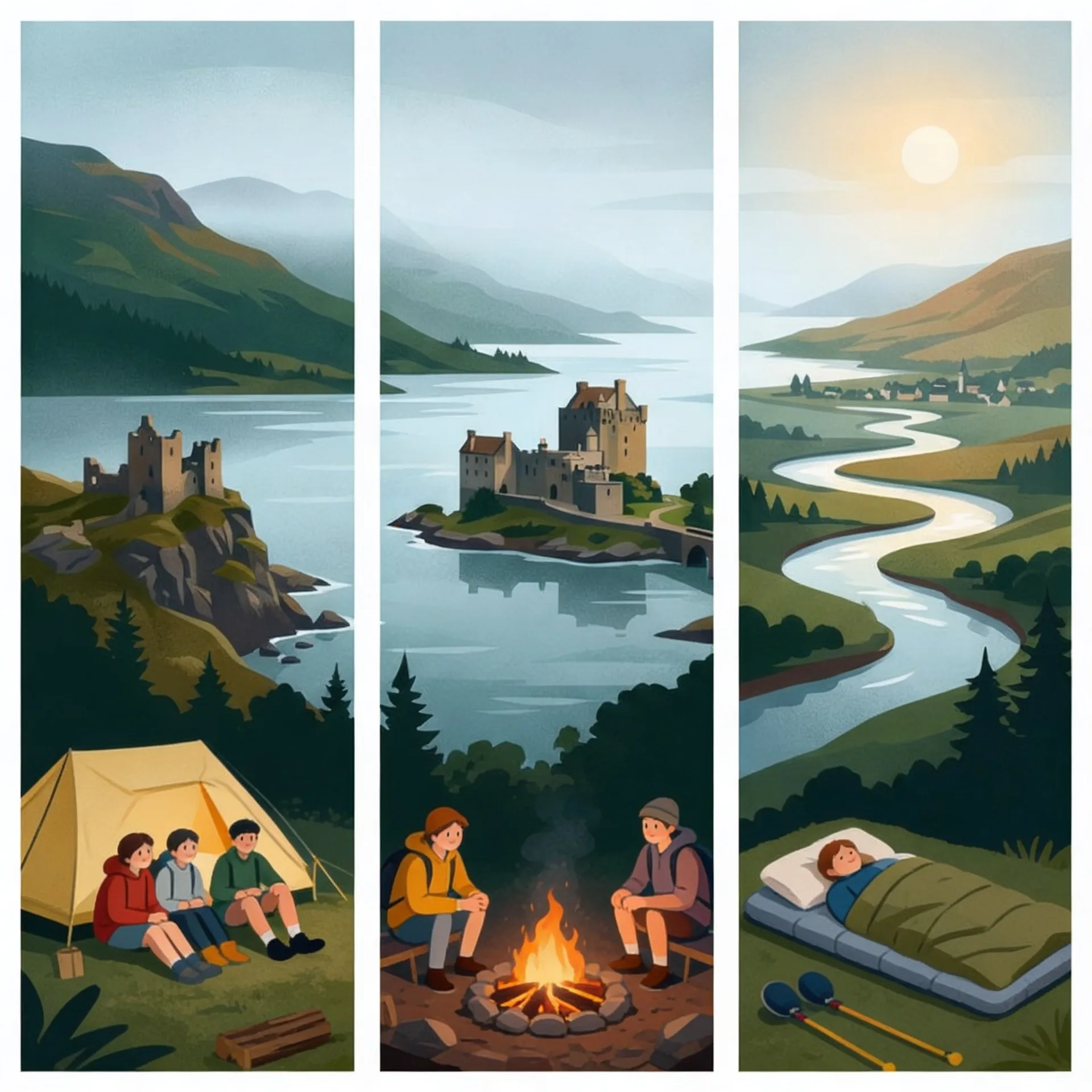
Arriving at Castle Stuart feels like stepping into an ancient painting. Nestled on the banks of the serene Moray Firth, the castle stands proud against the backdrop of rolling hills and sparkling waters. The approach along narrow country roads is lined with leafy trees, and as the castle’s towers rise into view, one feels the weight of history mingling with a sense of mystery. The surrounding landscape seems untouched by time, and the whispers of centuries past linger in the air. It is a place that holds secrets, stories, and perhaps a few spirits.
Just 6.5 miles northeast of Inverness, Castle Stuart is a magnificent example of a restored 17th-century tower house. While currently closed to visitors, its storied history and reputation as one of Scotland’s most haunted castles have made it a must-know destination for history buffs and ghost story enthusiasts alike. Whether you're tracing the tumultuous history of Clan Stuart or seeking other castles near Inverness, Castle Stuart remains a fascinating landmark on the Highland landscape.
History & Significance
The origins of Castle Stuart are steeped in royal drama. In 1561, Mary, Queen of Scots granted the land to her illegitimate half-brother, James Stewart, the 1st Earl of Moray. Tragically, the family line was marred by violence: James was assassinated in 1570, and his son-in-law, the 2nd Earl of Moray, was stabbed 13 times in 1592. The castle itself was completed between 1621 and 1625 by James Stuart, the 3rd Earl of Moray, but its early years were far from peaceful. Shortly after its completion, the castle was attacked and seized by 500 members of the Mackintosh clan due to a land dispute. The Stuarts managed to regain it by paying a hefty ransom, but the event cemented the castle's reputation as a site of conflict and intrigue.
Following the execution of King Charles I in 1649 and the subsequent decline of the Stuart family’s fortunes during the English Civil War, the castle was abandoned. For nearly 300 years, it stood as a haunting ruin, its grand towers slowly crumbling under the weight of time. Then, in the late 20th century, a descendant of the original owners, Richard Charles Stuart, undertook a painstaking 15-year restoration project, transforming the derelict shell into a luxurious hotel while preserving its historic character.
Visiting Today
Currently, Castle Stuart is private property and not open to the public. This means there are no set opening times, ticket prices or on-site parking available at the moment. However, its location and reputation still draw those eager to catch a glimpse of the castle's stately exterior. Situated just off the B9039, about a mile north of its junction with the A96, the castle is easily accessible by car. The postcode for navigation is IV1 2JH, and the nearest towns include Ardersier, Croy, and Culloden. While you cannot enter the castle grounds, the surrounding landscape provides beautiful vantage points for photography and quiet contemplation.
For those particularly interested in its haunted history, keep an eye on updates regarding access or tours. Castle Stuart’s eerie reputation has made it a popular subject of folklore, and its ghostly tales continue to intrigue. If you're planning a trip to other castles in the area, be sure to look into Urquhart Castle, which offers its own stunning views and rich history.
Key Takeaways
- Location: Castle Stuart is located approximately 6.5 miles northeast of Inverness, set against the backdrop of the Moray Firth.
- History: Built in the early 17th century by James Stuart, the 3rd Earl of Moray, the castle has a tumultuous history tied to Clan Stuart.
- Haunted Reputation: Legends of hauntings stem from its violent past, making it one of Scotland’s most famously haunted castles.
- Access: The castle is currently closed to the public, but its exterior can be admired from nearby roads and pathways.
- Restoration: The castle was meticulously restored in the late 20th century by Richard Charles Stuart, transforming it into a luxurious (now closed) hotel.
Frequently Asked Questions
Is Castle Stuart really haunted?
Castle Stuart has a strong reputation as one of Scotland’s most haunted castles, thanks to its violent history and long period of abandonment. The deaths of prominent members of Clan Stuart and the 1629 siege by the Mackintosh clan have fuelled these stories. While no specific ghostly figures have been widely documented, the castle’s eerie atmosphere continues to captivate visitors and ghost enthusiasts alike. For a deeper dive, explore the haunting of Castle Stuart.
Can you stay at Castle Stuart?
Castle Stuart operated as a luxury hotel during the late 20th century following its restoration. Guests who stayed there enjoyed its unique blend of historical charm and modern comfort. However, the castle is no longer open for accommodation. It is currently private property, so overnight stays are not available until further notice.
What are the ghost stories of Castle Stuart?
Legends of hauntings at Castle Stuart are tied to its bloody past. From the assassinations of the 1st and 2nd Earls of Moray to the 1629 siege and subsequent family tragedies, the castle has witnessed its share of sorrow and violence. During its nearly 300 years as a ruin, it was said to be "empty - except for the ghosts." While specific ghost stories remain elusive, its reputation as a haunted site persists in Scottish lore.
Whether you’re drawn to its striking architecture, its turbulent history or its haunted reputation, Castle Stuart remains a captivating Highland landmark. As you plan your journey, remember to explore other nearby sites like Urquhart Castle and the many other castles near Inverness. Each one offers its own unique glimpse into Scotland’s rich and storied past.
Share this story
Enjoyed this read? Share it with fellow travellers on Facebook, X (Twitter), LinkedIn, or send the link to a friend.