castles
Carbisdale Castle: the castle of spite
A historic Highland landmark, steeped in intrigue and built amidst a bitter family feud.
By Highland Explorer Editorial, Highland History Expert - - 5 min read
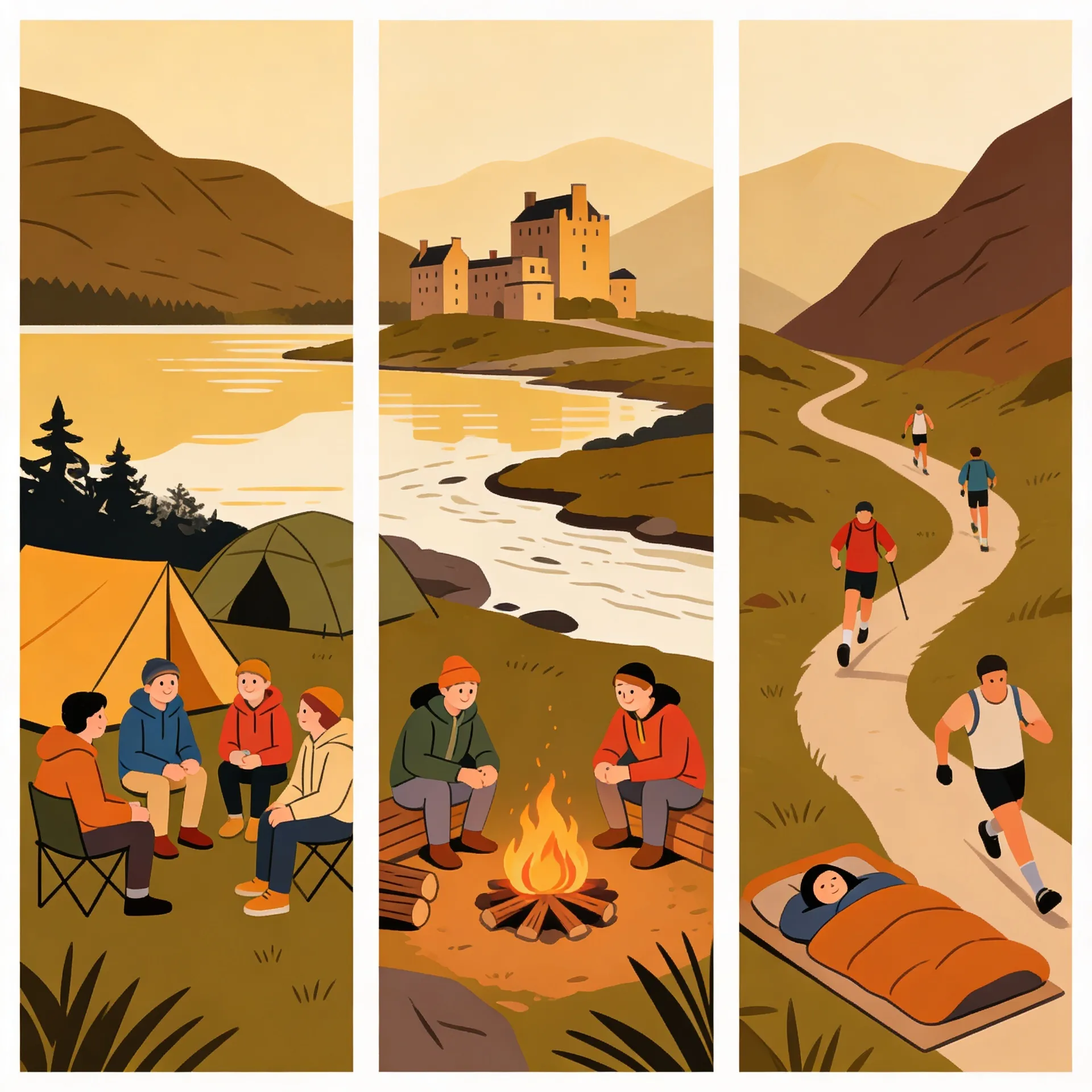
As you ascend the winding roads of the Kyle of Sutherland, Carbisdale Castle rises spectacularly above the lush Highland landscape, its commanding sandstone structure perched on the hilltop like a sentinel of history. The sight is enough to make you pause: turrets reach for the sky, mullioned windows glint in the sunlight, and the castle’s stately presence dominates the horizon. It feels almost mythical, surrounded by dense forests and the glimmering rivers Oykel and Shin below. This is no ordinary castle - this is the “Castle of Spite,” a monument born of personal drama, wartime refuge, and architectural marvel.
Carbisdale Castle is a place that captures the imagination, but visiting requires a bit of background knowledge. While it was once open to the public as a youth hostel, today it remains a private residence and is not accessible for general tours or accommodation. This guide will delve into the history and significance of the castle, provide practical visiting advice for the surrounding area, and offer insight into its fascinating role in Highland history.
History & Significance
Carbisdale Castle’s story is as dramatic as its architecture. Built between 1906 and 1917, its origins lie in a family feud that resulted in one of the most intriguing nicknames of any Scottish castle. Mary Caroline, Duchess of Sutherland, found herself embroiled in a bitter dispute over her late husband’s estate. The Sutherland family agreed to finance a new home for her - but with one stipulation: it had to be built outside their lands. With deliberate theatricality, the Duchess positioned the castle just across the boundary, making it impossible for the family to ignore.
To reinforce her point, the Duchess incorporated a sly architectural flourish. The castle’s clock tower features dials on three of its four sides, but the side facing the Sutherland estate remains blank. This was her way of ensuring her former relatives would never “get the time of day” from her. Thus, Carbisdale Castle earned its infamous nickname, the “Castle of Spite.”
Beyond its contentious beginnings, Carbisdale Castle played an important role during World War II. Norwegian royalty, including King Haakon VII and Crown Prince Olav, sought refuge here after fleeing Nazi-occupied Norway in 1940. The castle became a hub for international negotiations, including the pivotal Carbisdale Conference in 1941, which secured agreements for post-war territorial arrangements. To honour King Haakon’s residency, the castle’s library still bears his name.
After the war, King Haakon gifted the estate to the Scottish Youth Hostel Association (SYHA). It opened in 1945, welcoming visitors from around the globe and becoming one of the most prestigious hostels in the association’s network. Unfortunately, maintenance challenges and the costs associated with preserving its grandeur led to its closure in the early 21st century. Today, the castle is a private luxury residence, lovingly restored by its current owner, Lady Samantha Kane of Carbisdale.
Visiting Today
While Carbisdale Castle itself is not open to visitors, the surrounding area offers ample opportunities to connect with the castle’s history and enjoy the beauty of the Highlands. The castle’s location in Ross-shire makes it a perfect stop for those exploring castles along the NC500 or learning more about the Highland Clearances.
Visitors can admire the castle’s exterior from various vantage points in the Kyle of Sutherland. The nearby forests and rivers provide excellent trails for walking, cycling, and wildlife spotting. Parking is available in the small village of Culrain, from which you can follow local paths to get closer to the castle grounds.
For those eager to explore other historic sites nearby, Dunrobin Castle, the ancestral home of the Sutherland family, is less than an hour’s drive away. Known for its fairy-tale towers and manicured gardens, it provides a fascinating counterpoint to the story of Carbisdale. Additionally, the region’s rich history surrounding the Highland Clearances offers insight into the social changes that shaped Scotland’s landscape and communities.
Key Takeaways
- Carbisdale Castle is famously known as the “Castle of Spite” due to its dramatic origins and the Duchess of Sutherland's architectural snub to her former relatives.
- The castle served as a wartime refuge for King Haakon VII of Norway and played a significant role in World War II negotiations.
- Although it once operated as a youth hostel, Carbisdale Castle is now a private residence and not open to the public.
- The surrounding Kyle of Sutherland boasts stunning natural beauty, perfect for outdoor exploration.
- Nearby attractions such as Dunrobin Castle and historic sites connected to the Highland Clearances enrich the experience of visiting the area.
For more on this area, see our guide to castles along the NC500.
Frequently Asked Questions
Can you visit Carbisdale Castle?
Carbisdale Castle is privately owned and not open to the public for tours or accommodation. Visitors can view the castle’s exterior and explore the surrounding Kyle of Sutherland area, which is rich in natural beauty and history.
Why is it called the castle of spite?
The nickname stems from the circumstances of its construction. Mary Caroline, Duchess of Sutherland, built the castle just outside the Sutherland family’s lands after a bitter dispute over her late husband’s estate. She positioned the castle prominently and even left the clock tower facing their estate blank, earning its reputation as the “Castle of Spite.”
What happened to the youth hostel at Carbisdale?
The castle operated as a youth hostel under the Scottish Youth Hostel Association from 1945 until the early 21st century. Maintenance challenges and the high cost of upkeep led to its closure, and the castle was eventually sold to private owners who restored it as a luxury residence.
Carbisdale Castle may no longer welcome visitors through its doors, but its legacy as a monument of defiance, refuge, and architectural grandeur endures. Whether you’re tracing the historic narratives of Highland castles or simply savouring the stunning landscape, the Kyle of Sutherland provides a window into Scotland’s storied past.
Share this story
Enjoyed this read? Share it with fellow travellers on Facebook, X (Twitter), LinkedIn, or send the link to a friend.