hiking
Best Mountains in Scotland for Photography
Capture breathtaking landscapes: Scotland's most photogenic peaks perfect for hiking and stunning photography.
By Highland Explorer Editorial, Highland Expert - - 6 min read
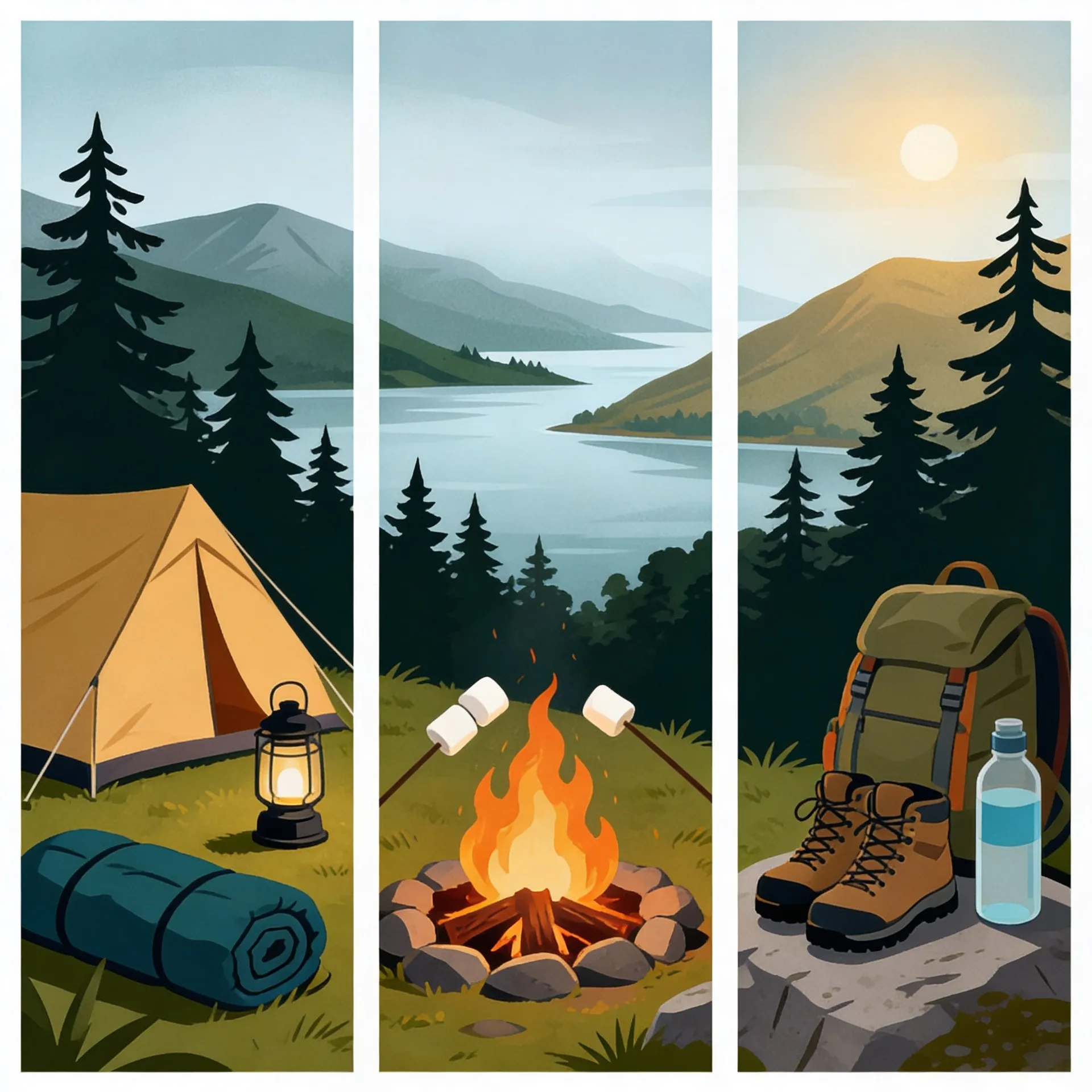
Scotland’s mountains are a dream destination for photographers, offering a wealth of dramatic landscapes, iconic peaks and ever-changing light conditions. Whether you’re capturing reflections in calm loch waters or chasing the golden hour on jagged ridges, the Scottish Highlands provide endless inspiration. With so many breathtaking locations, choosing the right mountain to photograph can transform your portfolio and make your hillwalking adventure unforgettable.
This guide focuses on the best mountains in Scotland for photography. From the famous pyramid of Buachaille Etive Mor to the rugged Cuillin Ridge, these peaks are not only spectacular hiking destinations but also perfect spots for capturing Scotland’s beauty.
Route Overview
Each mountain on this list offers unique photographic opportunities, from sweeping panoramas to isolated profiles against dramatic skies. Distances, ascents and difficulty levels vary, catering to photographers of all abilities. Whether you’re after a short hike to a viewpoint or a challenging summit route, there’s a location here to suit your style.
The Walk
Buachaille Etive Mor
Buachaille Etive Mor, known as the “Great Herdsman of Etive,” is perhaps the most photographed mountain in Scotland. Its iconic pyramid shape rises dramatically from Rannoch Moor, creating an unforgettable focal point for landscape photography. The best viewpoint is from the road bridge at the start of the Glen Etive road, where the River Etive adds leading lines to your composition.
Arrive at dawn during summer, when the rising sun illuminates the mountain’s granite face with soft, golden light. Use a wide-angle lens (16-35mm) to capture foreground detail, such as river rocks or wildflowers, and employ a tripod for long exposures to smooth out water reflections. Scottish weather is unpredictable: pack ND filters for cloudy skies and waterproofs to stay comfortable while waiting for the perfect light.
For more information, read our Buachaille Etive Mor guide.
Suilven
Suilven is a show-stopper in Assynt. Its isolated quartzite ridges rise abruptly from a landscape of lochans and peatland, providing endless opportunities for dramatic compositions. Accessible viewpoints near Lochinver include the Suileag bothy trackhead or coastal locations where the mountain’s silhouette contrasts beautifully with water reflections.
Autumn is ideal for photography, with low-angle light emphasising rugged textures and colourful foliage. Use a telephoto lens (70-200mm) to compress the mountain’s profile, creating a sense of scale. Bracket exposures to balance bright skies with shadowed terrain, and plan for frequent weather changes. Wet paths can be a challenge, so sturdy boots are essential.
Explore more tips in our Suilven guide.
Liathach
Liathach, the serrated Torridon ridge, is an excellent sunrise destination. Loch Clair offers prime reflections of its eastern face, especially in spring and autumn when the water is calm and the foliage vibrant. From the loch’s shore, you can capture symmetrical compositions that showcase the ridge’s dramatic outline.
Use a wide-angle lens (14-24mm) to maximise sharpness across the frame, and experiment with long exposures to create silky textures in reflections. Mist often forms in the early hours, adding atmosphere to your shots. Arrive pre-dawn to set up and catch the golden light before wind ripples the water.
For detailed guidance, visit our Liathach guide.
Cuillin Ridge
The Black Cuillin on Skye is an iconic mountain range, best photographed from Elgol at sunset. Here, the jagged peaks tower over Loch Scavaig, creating dramatic contrasts against warm evening light. Descend to the rocky shore for foreground detail and shoot panoramas to capture the full ridge.
A mid-range zoom lens (24-70mm) is ideal for this location. Stitch multiple frames for expansive views and use filters to manage glare from the loch. Skye’s weather can be unpredictable, with brief spells of clear skies, so arrive prepared for rain and wet rocks.
For more information, explore our Cuillin Ridge guide.
Stac Pollaidh
Stac Pollaidh, a pinnacled sandstone hill in Assynt, offers spectacular sunrise photography opportunities. From the north car park, a short path leads to views over lochans and heather-covered slopes, with the castellated summit dominating the frame.
Use a wide-angle lens (16-35mm) and tripod to manage exposures in low light. Summer provides long days for exploration, while autumn adds rich colours to the landscape. The exposed summit can be windy, so bring sturdy gear and a polariser to cut haze.
Discover more in our Stac Pollaidh guide.
Getting There and Parking
Most mountains in Scotland are easily accessible by car, with parking available at trailheads or designated viewpoints. For Buachaille Etive Mor, park safely off the A82 at the Glen Etive road bridge. Suilven requires a longer hike from Lochinver, while Liathach and Stac Pollaidh offer shorter trails from nearby car parks. Skye’s Cuillin Ridge can be reached via Elgol beach car park, and other mountains like An Teallach and Beinn Eighe are accessible through Torridon and Assynt routes.
Key Takeaways
- Scotland’s mountains are perfect for photography, with varied landscapes and dramatic light.
- Arrive early for the best conditions and avoid crowds, especially during peak seasons.
- Use wide-angle or telephoto lenses depending on the scene, and experiment with filters for creative effects.
- Prepare for unpredictable weather: waterproof gear and layers are essential.
- Respect the environment and follow local guidelines for access and safety.
For more on this area, see our guide to An Teallach.
Frequently Asked Questions
What is the most photographed mountain in Scotland?
Buachaille Etive Mor is the most photographed mountain in Scotland, thanks to its iconic pyramid shape and accessibility from the A82 in Glencoe.
What time of day is best for mountain photography?
Dawn and dusk are ideal for mountain photography, as soft golden light enhances colours and textures, creating dramatic compositions.
What camera gear do I need for Scottish mountains?
A wide-angle lens (16-35mm) for foreground detail, a telephoto lens (70-200mm) for isolated profiles and a tripod for stability are essential. Filters such as ND and polarizers can help manage lighting challenges.
When is the best season for mountain photography in Scotland?
Spring and autumn offer stable weather and vibrant colours, while winter provides dramatic snowy contrasts. Summer is ideal for long daylight hours but can be busy and prone to midges.
Share this story
Enjoyed this read? Share it with fellow travellers on Facebook, X (Twitter), LinkedIn, or send the link to a friend.