hiking
Ben Nevis: What to Wear, What to Bring and What to Expect
Essential tips on gear, packing, and preparation for conquering the UK’s tallest mountain.
By Highland Explorer Editorial, Highland Expert - - 5 min read
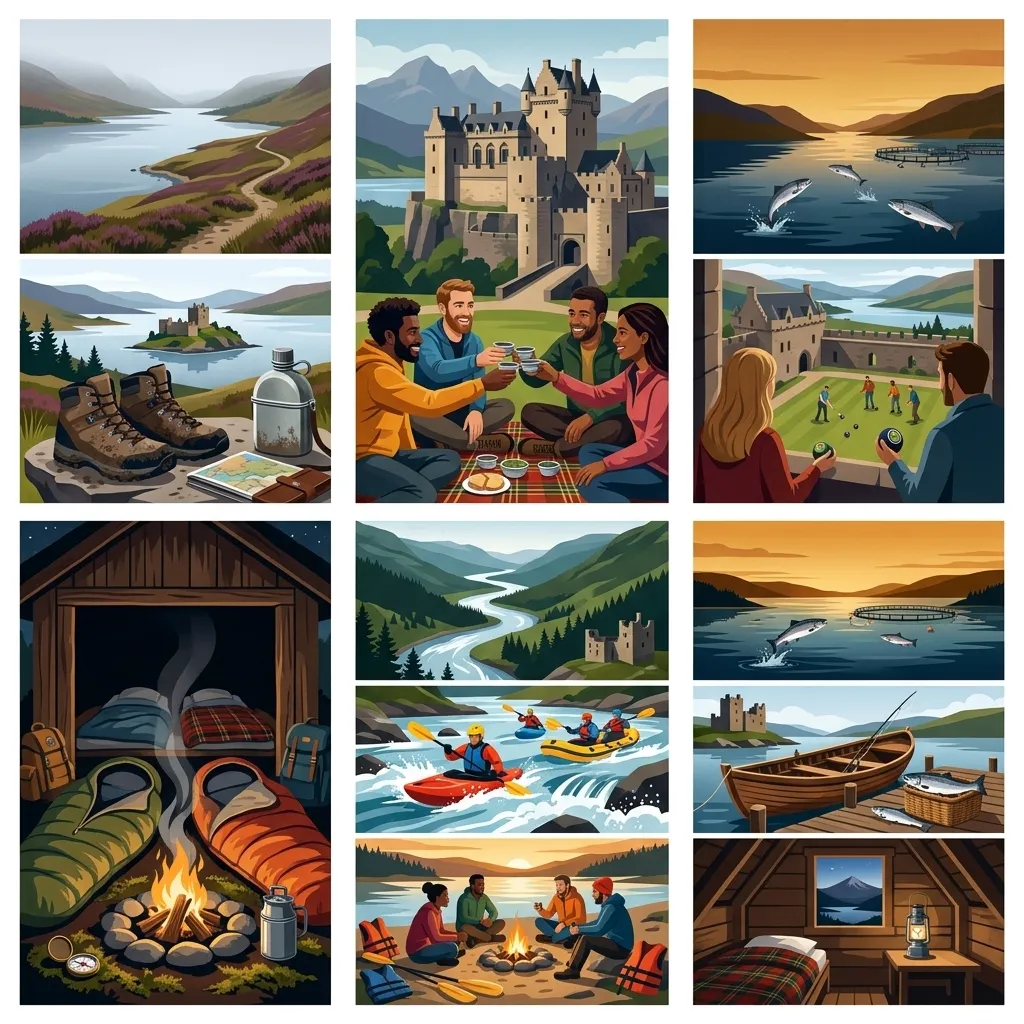
Climbing Ben Nevis, the tallest mountain in the British Isles, is a bucket-list adventure for many hikers. Whether you're a seasoned hillwalker or tackling your first major peak, preparation is key to enjoying the experience safely. Known for its unpredictable weather, challenging terrain, and stunning views, Ben Nevis rewards those who respect its demands. This guide will help you gear up with the right kit, understand what to expect and plan your ascent with confidence.
From choosing appropriate clothing to packing your rucksack, this article breaks down the essentials. We'll also address common questions about climbing Ben Nevis, offer practical tips for beginners, and highlight the importance of preparation. For a detailed look at the route itself, be sure to check out our full guide to the Mountain Track route on Ben Nevis. Let’s get started!
Route Overview
The classic way to ascend Ben Nevis is via the Mountain Track, also known as the Tourist Path. Starting at the Glen Nevis Visitor Centre car park (grid reference NN170728), the round trip covers approximately 16.5 kilometres (10.3 miles) with an ascent of 1,331 metres (4,367 feet). For most hillwalkers, this takes 6-9 hours, depending on fitness levels and weather conditions.
The trail begins with a well-maintained path through lower grasslands before climbing into more rugged terrain. The final section involves loose scree and boulder fields that require care and concentration. While the Mountain Track is non-technical, it presents physical challenges, especially for beginners. Weather conditions, particularly as you approach the summit, can be extreme. For those wondering, whether Ben Nevis is hard for first-timers depends largely on preparation and fitness. Start early to allow plenty of time for breaks and to descend safely in daylight.
The Walk
Stage 1: Glen Nevis Visitor Centre to Halfway Lochan
The walk begins from the Glen Nevis Visitor Centre car park, where you'll find toilet facilities and an information board. The first section follows a gradual incline on a wide, well-trodden path. You'll cross a wooden bridge over the River Nevis before the trail starts to climb steadily. Look out for views of Glen Nevis behind you as you ascend.
After about 2 hours, you'll reach the Halfway Lochan, a small tarn at around 570 metres elevation. This is a natural rest point to refuel and check weather conditions before tackling the more exposed upper slopes. From here, the path becomes rockier and steeper.
Stage 2: Halfway Lochan to the Summit
Leaving the Halfway Lochan, the route zig-zags up the mountainside. The ascent becomes more demanding as you approach the Red Burn scree section. Take your time on this loose and uneven ground, using walking poles if you have them. Sturdy boots with good grip are crucial here.
The final stretch to the summit is often in cloud, with visibility potentially dropping to just a few metres. Navigation skills are essential: carry a map and compass, and know how to use them. Upon reaching the summit plateau, you'll find the ruins of the old observatory and a summit cairn marking the highest point at 1,345 metres.
Stage 3: Descending Safely
Descending is often more challenging than the climb, particularly on tired legs. Take care on the scree section to avoid slipping, and follow the same route back down. Start your descent with plenty of daylight remaining, aiming to return to the Glen Nevis car park well before dark. A head torch is essential in case of delays.
Getting There and Parking
The Glen Nevis Visitor Centre is the main access point for the Mountain Track. It’s located just outside Fort William, easily reached by car or public transport. Parking is available at the visitor centre for a small fee, but spaces fill quickly, especially in summer. Arrive early to secure a spot.
Fort William is well-connected by train and bus, making it a convenient base. From the town, it’s a short taxi ride or a 30-minute walk to the visitor centre. If you’re planning your trip, consider reading about the best time of year to climb to maximise your chances of good conditions.
Key Takeaways
- Dress for variable weather: pack layers, waterproofs and sturdy boots.
- Bring a 30L rucksack with water, food, map, first aid kit, and survival gear.
- Start early to allow plenty of time for the round trip.
- Prepare for summit conditions: expect cold, wind, and possible cloud.
- Practice walking with your kit beforehand to build stamina and confidence.
- Always inform someone of your route and expected return time.
Frequently Asked Questions
What should I wear to climb Ben Nevis?
Wear a layering system: thermal base layers, a fleece or insulated mid-layer, and waterproof jacket and trousers. Sturdy walking boots with ankle support are essential, along with warm gloves, a hat, and thick socks. Avoid cotton clothing, which retains moisture. For more advice, see our guide to general hillwalking kit advice.
Do I need waterproofs for Ben Nevis in summer?
Yes, waterproofs are mandatory even in summer. Weather on Ben Nevis changes rapidly, with rain and strong winds common. A GORE-TEX or similar jacket and trousers will keep you dry and protect against wind chill.
How much water should I bring for Ben Nevis?
Carry at least 2 litres of water per person. Hydration is crucial, especially during the climb. Consider a hydration bladder for easy access and bring a thermal flask with a hot drink for the summit.
Can I climb Ben Nevis in trainers?
No, trainers are not suitable for Ben Nevis. The trail includes rocky, uneven sections that require sturdy walking boots with good grip and ankle support. Wearing trainers increases the risk of injury.
With the right preparation, climbing Ben Nevis can be an unforgettable experience. Remember to respect the mountain, plan thoroughly, and enjoy the journey!
Share this story
Enjoyed this read? Share it with fellow travellers on Facebook, X (Twitter), LinkedIn, or send the link to a friend.