quick-fire
The Scottish Highlands in Numbers
Key figures that put the scale and importance of the Highlands into perspective
By Highland Explorer, Editorial Team - - 4 min read
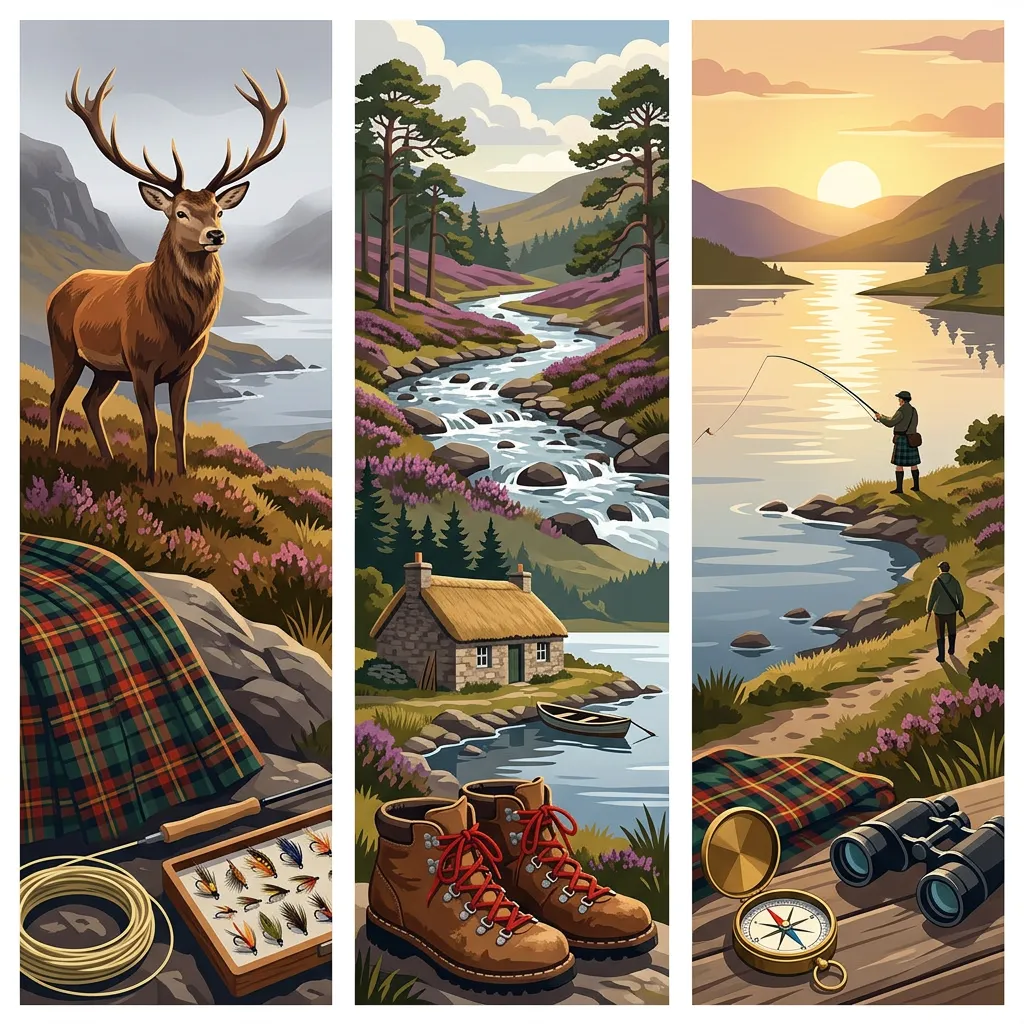
These figures help put the scale, remoteness, and importance of the Highlands into perspective. All numbers are approximate and intended for visitor-facing context.
Land and People
The wider Highlands and Islands region has a population of around 470,000 people, spread across a vast area of mainland Highlands, islands, sea lochs, and remote peninsulas. This results in an average population density of roughly 12 people per square kilometre.
Within this, the Highland Council area—which covers much of the mainland Highlands including Inverness, Fort William, and Caithness—had an estimated 236,330 residents in 2023. This makes it one of the largest local authority areas in Europe by land size, but one of the least densely populated.
Overall, population density in the Highlands and Islands is extremely low by UK standards, at around 9–12 people per square kilometre, compared with over 70 people per square kilometre across Scotland as a whole. Many Highland communities are small, widely spaced, and separated by long distances of open land or water.
Distances and Routes
The famous North Coast 500 (NC500) touring route measures approximately 516 miles (831 kilometres) in total, starting and finishing in Inverness and looping around the far north of mainland Scotland.
At a realistic touring pace of around 40 miles per hour, driving the full NC500 without stops or sightseeing would still take close to 13 hours behind the wheel. In practice, most visitors spread the route over 5 to 7 days or more, allowing time for coastal walks, villages, beaches, and historic sites.
This scale helps explain why journeys in the Highlands often take longer than expected when looking at maps alone.
Whisky and Attractions
Scotland is home to over 130 active whisky distilleries, reflecting whisky's central role in the country's culture and economy.
Of these, around 47 distilleries are commonly grouped within the Highland whisky region, which geographically is the largest and most diverse whisky-producing area in Scotland. Styles range widely due to the region's size and varied landscapes.
Some Highland council-area guides list around 36 notable distilleries that are particularly popular with visitors for tours, tastings, and heritage experiences, making whisky tourism a major draw across the region.
Tourism Numbers
In 2018, the Highlands and Islands region had a resident population of around 469,000, yet welcomed several times that number in visitors each year, underlining tourism's importance to local employment and services.
In 2023, the Highland region attracted approximately 527,000 international visitors, who spent around 2 million nights in the area and contributed roughly £325 million to the local economy.
In the same year, domestic tourism was even more significant, with about 1.7 million UK visitors spending 4.9 million nights in the Highlands and an estimated £437 million in total spend.
Together, these figures highlight how tourism plays a vital role in sustaining Highland communities, particularly in remote areas where other industries are limited.
Share this story
Enjoyed this read? Share it with fellow travellers on Facebook, X (Twitter), LinkedIn, or send the link to a friend.