quick-fire
The Scottish Highlands: Essential Facts at a Glance
Key facts that explain what makes the Highlands unique
By Highland Explorer, Editorial Team - - 5 min read
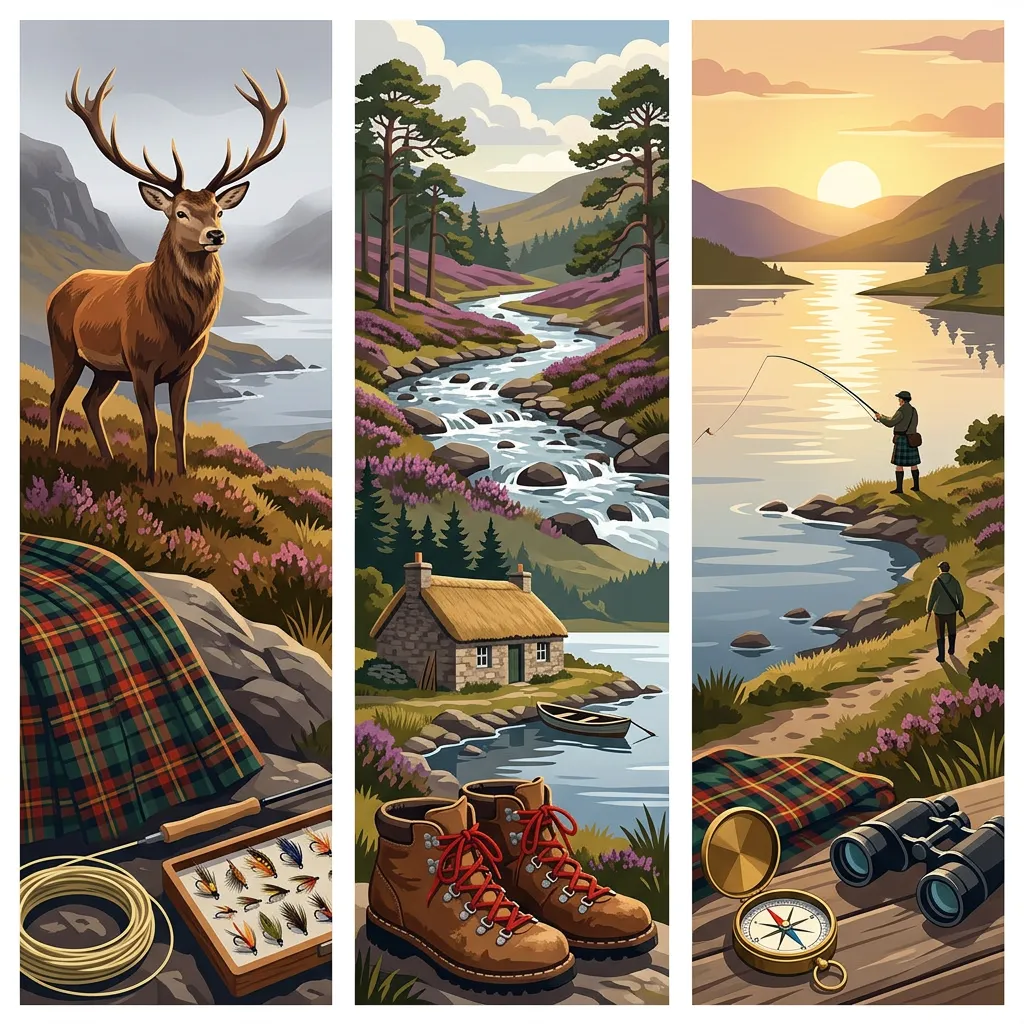
The Scottish Highlands are one of Europe's most distinctive landscapes—vast, dramatic, and deeply shaped by geology, history, and culture. Below are key facts that help explain what makes the Highlands unique. For a practical guide to visiting the region, see our article on how to explore the Scottish Highlands. These facts cover what makes the Highlands unique. For a practical guide to visiting the region, see our article on how to explore the Scottish Highlands. These facts cover what makes the Highlands unique, both on the map and on the ground.
Landscape and Location
The Scottish Highlands cover approximately 26,000 square kilometres, making them the largest geographical region in Scotland and one of the largest continuous rural areas in the UK.
Geographically, the Highlands lie north-west of the Highland Boundary Fault, a major geological line running from Helensburgh on the west coast to Stonehaven on the east. This fault marks a clear shift in landscape—from the rolling Lowlands to the rugged mountains and glens of the Highlands.
This boundary is not just geological; it has historically influenced settlement patterns, land use, and even cultural identity across Scotland.
Mountains, Lochs and Wilderness
The Highlands contain most of Scotland's highest mountains, including Ben Nevis, near Fort William, which at 1,345 metres is the tallest peak in the UK.
The region is equally defined by water. Famous freshwater lochs such as Loch Ness, Loch Lomond, Loch Maree, and Loch Shiel cut deep into the landscape, often following ancient fault lines and glacial valleys.
Beyond the mountains and lochs lie vast areas of moorland, peatland, and remnants of ancient Caledonian pine forest—ecosystems that once covered much of northern Scotland.
Large parts of the northern and north-west Highlands are considered some of Britain's last great wildernesses, offering rare opportunities for long-distance hiking, wildlife watching, and dark-sky stargazing far from artificial light.
People, Culture and History
The Highlands are one of the most sparsely populated regions in Europe, with a population density far below the Scottish average. By contrast, most of Scotland's population lives further south in the Central Belt between Glasgow and Edinburgh.
The area has a strong Gaelic heritage, still visible in place-names, music, storytelling, and local traditions. Gaelic, Pictish, and Norse influences all shaped the region over centuries, particularly along the western and northern coasts.
Historic events such as the Jacobite Risings and the Battle of Culloden in 1746 had lasting impacts on Highland society. The aftermath reshaped clan structures, land ownership, and patterns of emigration, leaving a deep imprint on Highland identity that is still felt today.
Protected Nature and Special Areas
The Highlands include some of the UK's most important protected landscapes, reflecting both their ecological and geological value.
Key areas include:
- Cairngorms National Park, the UK's largest national park
- The North West Highlands Geopark, recognised for its globally significant geology
- The Flow Country, one of the world's largest blanket peatlands
- Wester Ross UNESCO Biosphere, highlighting the balance between nature, culture, and sustainable living
These designations help protect wildlife, landscapes, and traditional ways of life while supporting responsible tourism.
Tourism and Experiences
Today, the Scottish Highlands are one of the country's most popular holiday regions. Visitors are drawn by self-drive road trips, historic sites, whisky distilleries, outdoor sports, and iconic scenic routes.
Well-known highlights include Glencoe, Loch Ness, Skye, and the North Coast 500, but much of the Highlands' appeal lies in quieter glens, small villages, and less-visited coastal stretches that reward slower travel.
Whether exploring by car, on foot, or by bike, the Highlands offer a sense of space and scale that is increasingly rare in modern Europe.
Scottish Highlands FAQs
Where exactly do the Scottish Highlands begin?
There's no single line on the ground, but the Highlands generally begin north of the Highland Boundary Fault, roughly beyond towns like Helensburgh, Callander, and Stonehaven.
Are the Highlands all mountains?
No. While mountains are a major feature, the Highlands also include coastline, islands, forests, farmland, peatlands, and river valleys. Much of the region is rolling moorland rather than steep peaks.
Is the Highlands one single administrative area?
No. "The Highlands" is a geographical and cultural term. Administratively, the region is divided into several council areas and historic counties.
Why does the Highlands feel so empty compared to the rest of Scotland?
Low population density is due to rugged terrain, limited farmland, historical clearances, and long-term migration to urban areas in the south.
Can you see wildlife easily in the Highlands?
Wildlife is present but not guaranteed. Red deer, seals, birds of prey, and dolphins are commonly spotted, but patience and timing matter more than crowds.
Is the Highlands suitable for first-time visitors to Scotland?
Yes. Many routes and towns are well set up for visitors, but distances are larger than they appear on maps, and planning travel time is essential.
Share this story
Enjoyed this read? Share it with fellow travellers on Facebook, X (Twitter), LinkedIn, or send the link to a friend.