hiking
The Lairig Ghru: the Great Pass Through the Cairngorms
A legendary Scottish trail offering rugged beauty, dramatic landscapes, and an unforgettable outdoor adventure.
By Highland Explorer Editorial, Highland Expert - - 7 min read
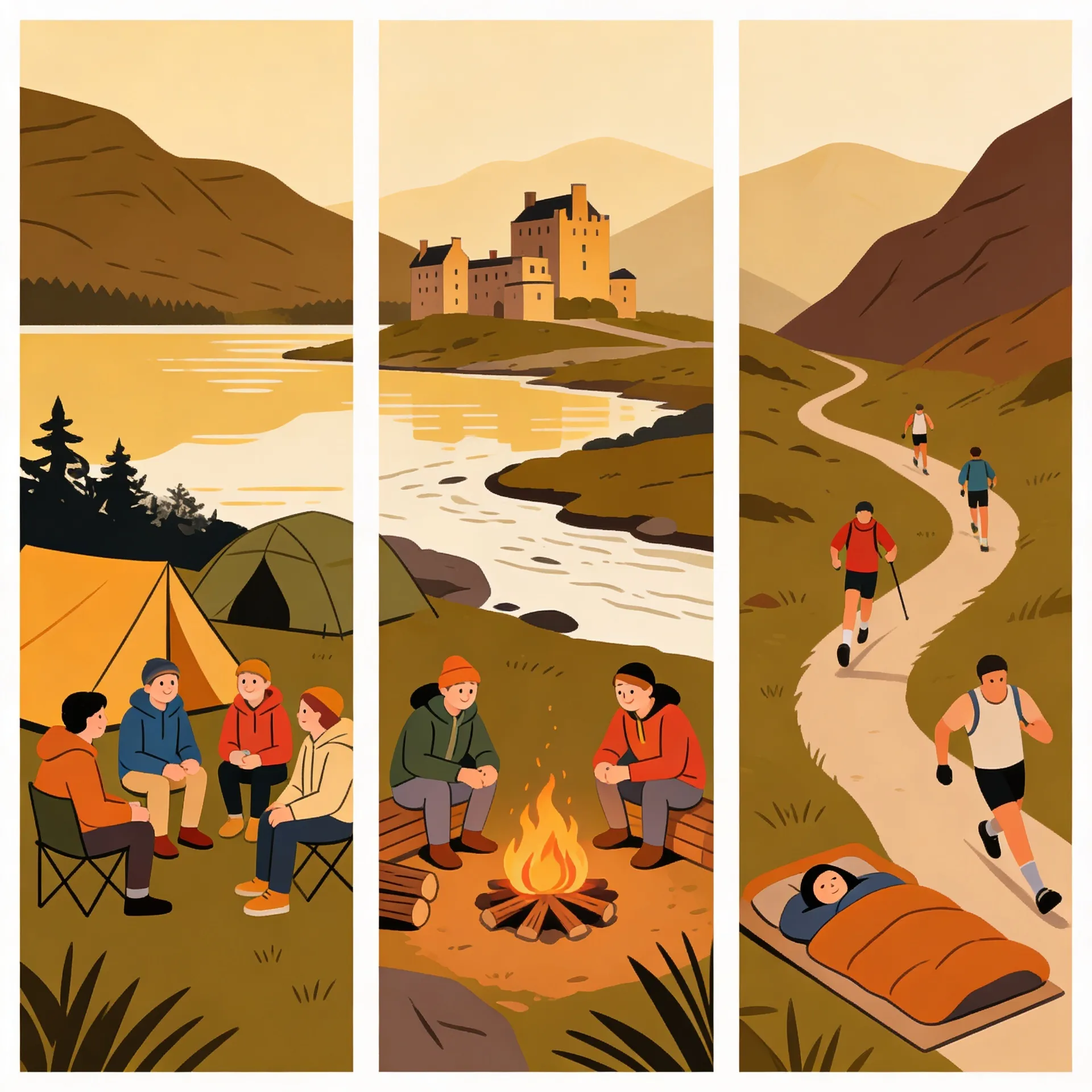
The Lairig Ghru is one of Scotland’s most iconic and demanding hillwalking routes, cutting a dramatic trench through the heart of the Cairngorms National Park. This ancient pass, once used by drovers and travellers, stretches over 32 kilometres between Braemar in the south and Aviemore in the north. Flanked by towering peaks like Braeriach, Ben Macdui, and Cairn Toul, it offers spectacular, ever-changing scenery. The Lairig Ghru is celebrated as one of Scotland’s classic long-distance walks, but its rugged terrain, remoteness and unpredictable weather make it a serious challenge. For adventurous walkers with the right preparation, it’s a journey into the wild that’s truly unforgettable.
Whether you’re drawn by the allure of the high mountain plateau, the remote Pools of Dee, or the chance to test yourself against a true wilderness trek, the Lairig Ghru will not disappoint. This guide will provide everything you need to know about tackling this strenuous through-route, from detailed directions to essential safety advice. Prepare to be inspired as you step into the heart of the Cairngorms.
Route Overview
Distance 32 km (19 miles) one way Ascent Up to 806 m (600-800 m depending on direction) Highest Point Pools of Dee (~835 m) Time 8-12 hours (9-11 hours typical for most walkers) Start Point Linn of Dee car park (near Braemar) or Coylumbridge (near Aviemore) Difficulty StrenuousThe Lairig Ghru is traditionally walked south to north, starting at Linn of Dee and finishing at Coylumbridge. This direction provides a gradual ascent into the pass and a dramatic descent through Rothiemurchus Forest. However, it can also be walked in reverse. The path is well-defined but rough in places, with boulder fields, river crossings, and steep sections that demand focus and stamina.
Getting to the Start
Getting to the start of the Lairig Ghru depends on your chosen direction. For those starting in the south, Linn of Dee is a 15-minute drive from Braemar. There’s a car park at Linn of Dee managed by the National Trust for Scotland, with spaces filling quickly in peak season. If starting in the north, Coylumbridge lies just outside Aviemore, with parking available at the Rothiemurchus Camp & Caravan Site or nearby laybys. A common approach is to leave a car at both ends or arrange a car shuttle, which takes around 1.5 hours each way.
Public transport is also an option, though it requires careful planning. Stagecoach buses connect Aviemore and Braemar, but services can be limited. Use Traveline Scotland to check the latest timetables. Be aware of seasonal reductions in winter, which could limit options, so plan accordingly.
The Walk Step by Step
The Lairig Ghru walk can be divided into four distinct stages, each offering its own highlights and challenges.
Stage 1: Linn of Dee to Glen Dee
The journey begins at Linn of Dee, where a wide track leads through Glen Lui towards Derry Lodge. This section is relatively gentle, winding through ancient pinewoods and heather moorland. After passing Derry Lodge, follow the path toward Luibeg Bridge, crossing the Luibeg Burn. In spate conditions, the burn can be difficult to ford, so consider the nearby bridge as an alternative. As the glen narrows, the imposing Devil’s Point comes into view, marking the entrance to the Lairig Ghru itself.
Stage 2: Glen Dee to Corrour Bothy
From Glen Dee, the path climbs steadily towards Corrour Bothy, a popular rest point maintained by the Mountain Bothies Association. This basic shelter is located in a dramatic setting beneath Cairn Toul and the Devil’s Point. It’s an excellent place to pause, but note that space inside is limited. Nearby, Clach nan Taillear ("The Tailor’s Stone") is a historic landmark associated with a local legend. Beyond the bothy, the path becomes rockier as you enter the heart of the pass.
Stage 3: Corrour Bothy to Pools of Dee
This is the most remote and challenging stretch of the Lairig Ghru. The path climbs steadily to the Pools of Dee, the highest point of the route at roughly 835 metres. These small, crystal-clear pools are fed by mountain springs and offer a brief respite amid the stark, boulder-strewn landscape. Surrounded by towering peaks, including Braeriach to the west and Lurcher’s Crag to the east, this section epitomises the raw beauty of the Cairngorms. Take care navigating the boulder fields here, especially in poor visibility or snow.
Stage 4: Pools of Dee to Coylumbridge
From the Pools of Dee, the path begins its descent toward Coylumbridge. This section includes the Chalamain Gap, a narrow rocky defile that requires careful scrambling. Once through the gap, the trail leads into the lush Rothiemurchus Forest, offering a stark contrast to the barren highlands above. Cross the Cairngorm Club Footbridge over the River Dee and continue through the forest to Coylumbridge, where the walk ends. From here, it’s an easy journey into Aviemore for rest and refreshment.
What You Will Need
Walking the Lairig Ghru requires careful preparation and the right equipment:
- Sturdy, well-broken-in hiking boots with good ankle support
- A waterproof jacket and trousers
- Warm layers, including a hat and gloves
- A detailed map (OS Landranger 403) and compass (or GPS device)
- A first aid kit and headtorch
- Plenty of food and water (or a water filter for burns)
- Emergency shelter or bivvy bag
- Ice axe and crampons in winter conditions
Safety and Hazards
The Lairig Ghru is a serious undertaking and should not be underestimated. Weather can change rapidly, with strong winds, rain, and snow possible even in summer. River crossings, particularly the Luibeg Burn, can become hazardous after heavy rain. The route passes through remote, featureless terrain where navigation skills are essential. Always check the Mountain Weather Information Service (MWIS) forecast before setting out.
In an emergency, call 999 and ask for Mountain Rescue, but ensure you are adequately prepared so you don’t need to rely on their services. Carrying a whistle, mobile phone, and spare battery pack can make a significant difference.
Key Takeaways
- The Lairig Ghru is a 32 km through-route through the Cairngorms, best suited to experienced hillwalkers.
- Allow 8-12 hours to complete the walk and plan for challenging terrain and variable weather.
- Prepare thoroughly with the right kit, navigation tools, and knowledge of river crossings.
- Wild camping is permitted, but follow the Scottish Outdoor Access Code.
- Public transport between Braemar and Aviemore is limited, so plan logistics carefully.
Where to Stay Nearby
If you’re staying near the southern start, Braemar offers cosy accommodation options like the Braemar Lodge Hotel or the Fife Arms. For those starting in the north, Aviemore has a range of choices, from budget-friendly hostels like the Aviemore Youth Hostel to the luxurious Macdonald Aviemore Resort. Wild camping is also an option along the route, particularly in Glen Dee or near Corrour Bothy.
For more on this area, see our guide to Cairn Gorm from the northern end.
Frequently Asked Questions
How long does the Lairig Ghru take?
Most walkers complete the Lairig Ghru in 8-12 hours, depending on fitness, conditions, and the number of rest stops. Experienced hillwalkers typically take 9-11 hours under normal conditions, but allow extra time in poor weather.
Can you do the Lairig Ghru in a day?
Yes, the Lairig Ghru can be done as a single-day walk, though it’s a strenuous undertaking. Start early to allow plenty of daylight and carry a headtorch as a precaution. Multi-day trips are possible with wild camping, but this requires additional equipment.
Is the Lairig Ghru dangerous?
The Lairig Ghru is not inherently dangerous, but it is remote, exposed, and physically demanding. Risks include poor weather, river crossings, and navigation errors. Proper preparation, good equipment, and checking forecasts minimise these risks.
Where do you start the Lairig Ghru?
The Lairig Ghru can be started at Linn of Dee (south) or Coylumbridge (north). Most walkers prefer the south-to-north direction, beginning at Linn of Dee car park and finishing near Aviemore.
Share this story
Enjoyed this read? Share it with fellow travellers on Facebook, X (Twitter), LinkedIn, or send the link to a friend.