castles
Caithness heritage: the county that time forgot
Discover Caithness: a land of ancient castles, rugged coastlines, and timeless Scottish traditions.
By Highland Explorer Editorial, Highland History Expert - - 6 min read
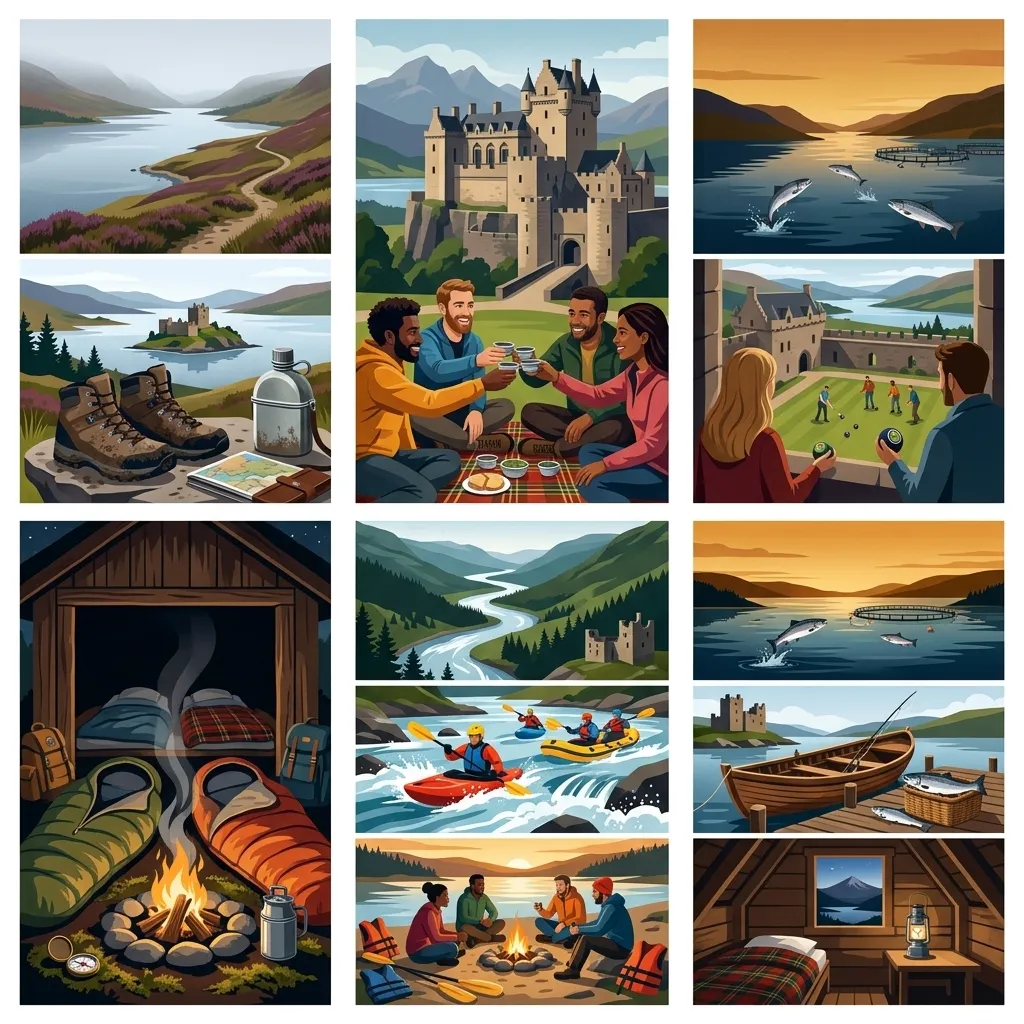
Caithness Heritage: The County That Time Forgot
Caithness, tucked away in the far reaches of northern Scotland, is a land of dramatic coastlines, ancient ruins, and stories that stretch back thousands of years. Known as the "county that time forgot," Caithness is a treasure trove of historical sites that reflect its transition from the Neolithic age to the Norse reign and beyond. For those with a passion for history and archaeology, this guide offers a well-planned route through some of the area's most significant heritage sites. Covering around 120 miles in total, this route allows you to explore Caithness's rich past while enjoying sweeping views of the Highlands.
Starting and ending in Wick, this itinerary is perfect for a day trip or a relaxed two-day excursion. With detailed driving directions, practical tips, and recommended stops, you’ll experience the best of Caithness history, from brochs and cairns to medieval castles and Norse settlements.
History & Significance
Caithness’s history is a layered tapestry of human activity dating back over 5,000 years. The county is renowned for its Neolithic chambered cairns, such as the Grey Cairns of Camster, which offer a glimpse into the lives and burial practices of early settlers. Moving forward in time, the Iron Age brought the iconic brochs - towering, circular stone structures that served as both homes and defensive strongholds. The Pictish and Norse periods left their marks in the form of standing stones, burial sites, and clan traditions.
By the late medieval period, Caithness had become a battleground for clan feuds, particularly involving the powerful Sinclair family. Their legacy is immortalised in Castle Sinclair Girnigoe, a dramatic cliffside ruin that offers a window into the turbulent history of the Scottish far north. Today, Caithness remains a quiet yet captivating corner of Scotland, where history feels alive amidst its windswept landscapes.
Visiting Today
Begin your journey in Wick, a bustling town and central hub for exploring Caithness. Ensure your vehicle is fuelled up, as some stretches of the route traverse remote landscapes with limited facilities. Here’s the step-by-step itinerary:
1. Castle Sinclair Girnigoe
From Wick, head north on the A99 for six miles, a drive that takes approximately 12 minutes. Park in the dedicated lot and prepare for a 10-20 minute walk (2km round trip) along steep paths to this spectacular site perched on the cliffs of Sinclair Bay.
Castle Sinclair Girnigoe, a 15th-century stronghold of Clan Sinclair, offers breathtaking views and a deep dive into Caithness history. Explore its ruins, including the remnants of a gatehouse and drawbridge, and keep an eye out for wildlife in the nearby cove. The site is open year-round with free access, but take care on uneven terrain and near the cliffs. Early morning or late afternoon light is ideal for photography.
2. Grey Cairns of Camster
Next, drive 11 miles northeast via the A99 and B876 to reach the Grey Cairns of Camster, a journey of about 20 minutes. These Neolithic cairns are among Scotland's oldest and most fascinating archaeological sites. The long cairn, measuring 60m in length, and the round cairn are accessible year-round for free. Crawl through the narrow passageways to see their interior chambers, but bring sturdy shoes and windproof clothing as the site is exposed and often windy.
3. Hill o' Many Stanes
From the cairns, travel 22 miles southwest via the B876 and A897 - around 35 minutes of driving - to visit the Hill o' Many Stanes. This site features over 200 small upright stones arranged in parallel rows on a hillside. Dating from the Iron Age or Pictish period, their purpose remains a mystery, though they may have had astronomical or ceremonial significance. The site is free to explore, but the short hike to reach it is steep and the terrain can be boggy, so boots are a must. Visit in the early morning or late evening if you wish to avoid midges during summer months.
4. Caithness Broch Centre
Your next stop is the Caithness Broch Centre in Bettyhill, located 35 miles west of Hill o' Many Stanes along the A897 and A836. The drive takes approximately 50 minutes and follows part of the scenic North Coast 500 route. This modern interpretive centre showcases the history of Caithness’s brochs, including detailed models and artefacts. Open from April to October, admission costs £5 for adults. Plan to spend at least an hour here to fully absorb the exhibits and learn about the region’s Iron Age past.
5. Thurso Heritage
From Bettyhill, head east for 25 miles along the A836 to reach Thurso, a drive of around 40 minutes. This historic town on the Pentland Firth offers a blend of Viking, Pictish, and Victorian heritage. Walk through the Old Town lanes, visit the ruins of Thurso Castle, and explore St Peter’s Kirk, which dates back to the 15th century. The Thurso Heritage Centre, located in the Town Hall, is open Monday to Saturday from 10am to 4pm and offers free exhibits on the area’s fascinating past. Combine your visit with a trip to Dunnet Head, the northernmost point of mainland Britain, for panoramic coastal views.
Return to Wick
Complete your journey by driving 21 miles south along the A9 back to Wick, a trip that takes approximately 30 minutes. Reflect on your day as you enjoy the coastal scenery, then relax with a meal in one of Wick’s welcoming restaurants or pubs.
Key Takeaways
- Caithness boasts a rich heritage spanning over 5,000 years, from Neolithic cairns to Norse ruins.
- Visit Castle Sinclair Girnigoe for breathtaking views and Clan Sinclair history.
- Explore the ancient Grey Cairns of Camster and the enigmatic Hill o' Many Stanes.
- Learn about the region’s Iron Age history at the Caithness Broch Centre in Bettyhill.
- Conclude your journey in Thurso, a town steeped in Viking, Pictish, and medieval history.
For more on this area, see our guide to NC500 castles.
Frequently Asked Questions
What historical sites are in Caithness?
Caithness is home to a wealth of historical sites, including the Neolithic Grey Cairns of Camster, the Iron Age Hill o' Many Stanes, the medieval Castle Sinclair Girnigoe, and the Caithness Broch Centre. Thurso also offers Viking and medieval heritage.
Why is Caithness historically important?
Caithness is significant due to its long history as a crossroads of Neolithic settlers, Pictish tribes, Norse invaders, and Scottish clans. Its archaeological sites and ruins provide a unique insight into Scotland’s ancient and medieval past.
How long do you need in Caithness?
To fully explore Caithness’s key heritage sites, plan for one to two days. This allows time to visit each location, enjoy the scenery, and delve into the region’s fascinating history.
Share this story
Enjoyed this read? Share it with fellow travellers on Facebook, X (Twitter), LinkedIn, or send the link to a friend.