Walk
Ben Nevis: How to Climb Britain's Highest Mountain Safely
Essential tips and expert advice for a safe and unforgettable Ben Nevis adventure.
By Highland Explorer, Editorial Team - - 6 min read
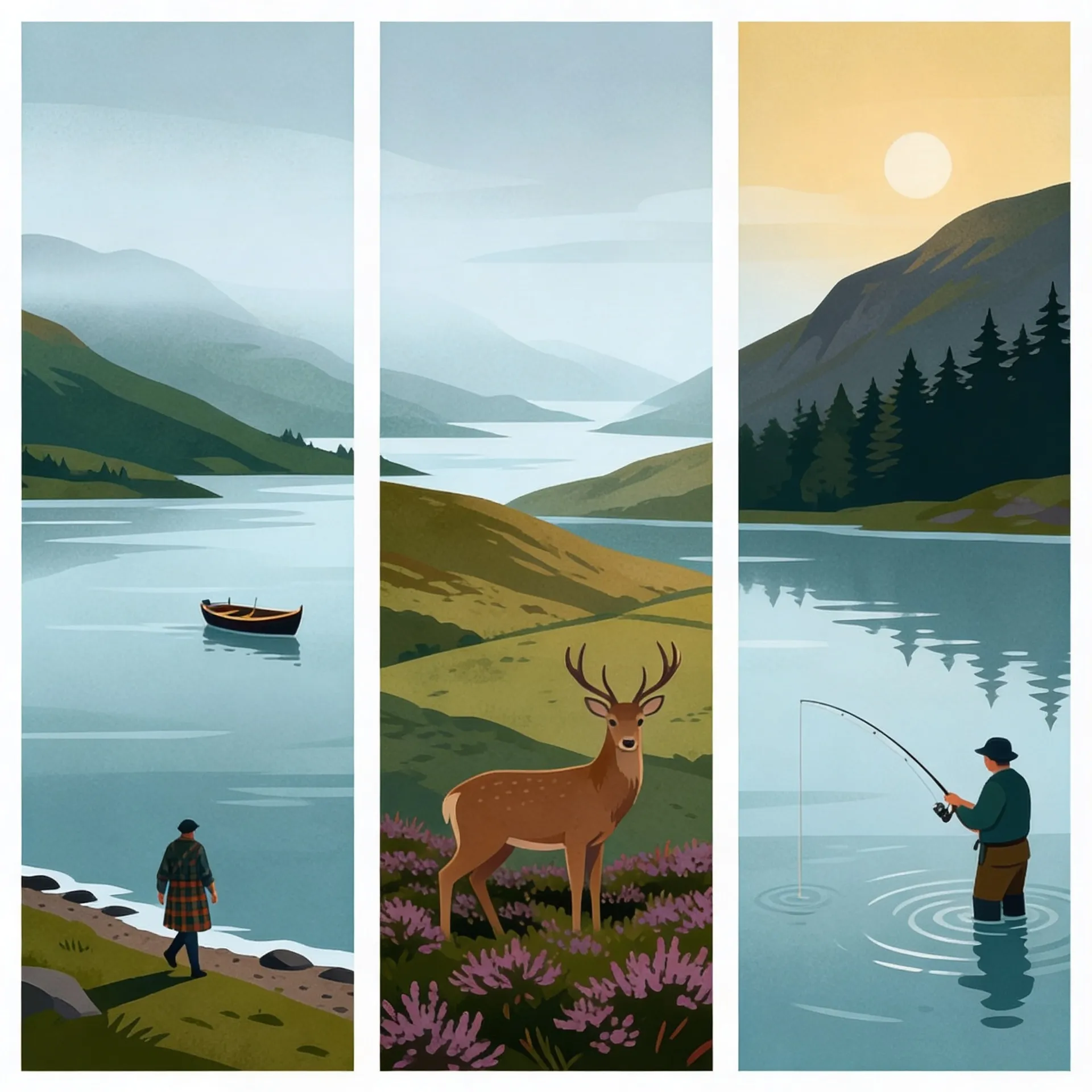
Ben Nevis: How to Climb Britain's Highest Mountain Safely
Climbing Ben Nevis, the tallest mountain in the UK at 1,345m, is a bucket-list challenge for hikers and outdoor adventurers. While the ascent is achievable for fit individuals on the main Mountain Path, proper preparation is essential to ensure safety and an enjoyable experience. This guide will cover everything you need to know, from routes and gear to practical tips and costs.
How Difficult Is the Climb?
Ben Nevis is a strenuous hike, and the difficulty depends largely on the route you choose:
The Mountain Path (Pony Track)
- Terrain: Class 1-2, well-maintained gravel path with steep inclines, loose rocks, and scree near the summit.
- Elevation Gain: 1,345m (equivalent to climbing the Empire State Building four times).
- Distance: 16km (10 miles) round trip.
- Duration: 7-9 hours for fit individuals; slower groups may take 10+ hours.
This is the most accessible route and requires no technical climbing skills, but the steepness and length demand good cardiovascular endurance and leg strength. Conditions near the summit can be harsh, with unpredictable weather, low visibility, and snow even in summer.
Carn Mor Dearg Arête Route
This alternative route is significantly more challenging and involves exposed scrambling along a narrow ridge. It’s only recommended for experienced hikers with technical skills. If you’re interested in routes like this, consider consulting a guide or joining a guided hiking trip in the Scottish Highlands.
How Long Does It Take?
Most hikers complete the Mountain Path in 7-9 hours. Here's a breakdown:
- Ascent: 3-5 hours to reach the summit.
- Descent: 2-4 hours back to the start.
Factors like fitness, weather, breaks, and crowds can affect timing. The descent often feels harder because it works different muscles and requires careful footing on steep, rocky sections. Start early—by 6-7 AM—to avoid afternoon weather changes and crowds.
If you're following a longer itinerary, Ben Nevis pairs well with other West Highlands hikes—check out our 4-day West Highlands itinerary.
What Gear Do You Need?
Proper gear is essential for safety and comfort. Here’s what to pack:
- Footwear: Sturdy hiking boots with ankle support. Gaiters are useful for scree and muddy sections.
- Clothing: Dress in layers—breathable base layer, insulating mid-layer (e.g., fleece), waterproof jacket and trousers. Bring a hat, gloves, and spare warm layers.
- Extras: Sunglasses, trekking poles (reduce knee strain), high-energy snacks, 2-3L of water, and a map/compass or GPS.
Temperatures at the summit can drop below freezing year-round, so prepare for sudden cold. Always check the weather forecast on MWIS (Mountain Weather Information Service) and adjust your gear accordingly.
Can Beginners Climb Ben Nevis?
Yes, but preparation is crucial. The Mountain Path is a straightforward hike requiring no technical skills, but it’s not ideal for complete novices due to the length, steepness, and potential for adverse weather. Most beginners succeed with adequate fitness and preparation.
Preparation Tips for Beginners
- Train on shorter hikes with similar elevation (e.g., 300-400m climbs).
- Practice day hikes carrying a loaded backpack to build stamina.
- Consider joining a guided trip for safety and expert advice, especially in winter.
Guided ascents are available year-round and typically cost £100-150 per person. Popular providers include Abacus Mountain Guides and Wilderness Scotland.
Route Details
The Mountain Path (Pony Track)
This is the primary route and starts at the Glen Nevis Youth Hostel car park (grid ref NN 199 721). Here’s what to expect:
- Follow a gravel path past the Red Burn waterfall and through Meall an t-Suidhe (the halfway lochan).
- The route zigzags steeply up to the summit plateau, where you'll find an emergency shelter and cairn marking the peak.
Navigation can be tricky near the summit in poor visibility due to sheer drops into the North Face gullies. Use OS Landranger 41 map or GPS to avoid disorientation.
Practical Tips for a Safe and Enjoyable Climb
- Start early: Aim for 6-7 AM to beat crowds and afternoon weather. Parking at Glen Nevis is free but fills up quickly—arrive by 8 AM.
- Check the weather: Use MWIS for forecasts. Avoid climbing if winds exceed 30mph or visibility is poor.
- Nourishment: Fuel up with porridge or energy bars and hydrate steadily to avoid cramps.
- Descent safety: Use trekking poles to reduce knee strain and take breaks to avoid fatigue.
- Emergency readiness: Carry a PLB (personal locator beacon) or ensure your phone has offline maps like OS Maps.
Costs, Booking, and Logistics
Parking and Entry
- Entry: Free.
- Parking: Glen Nevis Visitor Centre (£5-7/day) or free lower lots (10-15 min walk).
Accommodation
- Budget: Glen Nevis SYHA Hostel (£25-40/night).
- Mid-range: Ben Nevis Inn (£80+; book ahead).
Transport
- Bus: X25/41 from Fort William (£3-5).
- Train: Fort William station; taxis to Glen Nevis (£15).
- Nearest airport: Inverness (2-hour drive).
Guided tours typically cost £120-200/day for a standard ascent. Winter multi-day trips with CIC Hut stays (~£500 total) are available for experienced climbers.
Seasonal Considerations
- Summer (Jun-Aug): Popular and driest season. Temperatures range from 10-20°C at the base but drop to 5-10°C at the summit.
- Spring/Autumn: Quieter but wetter with stronger winds. Ice axe/crampons may be needed above 1,000m.
- Winter (Nov-Mar): For experts only—conditions include ice, avalanches, and sub-zero temperatures. Guided ascents are strongly recommended.
Common Mistakes and Misconceptions
- Mistake: Starting too late or underestimating fitness/weather risks.
- Misconception: Ben Nevis is "easy" for beginners—it’s tougher than Snowdon’s Llanberis Path (longer and higher).
- Myth: Summer is always safe—snow and gullies remain dangerous year-round.
FAQ
1. Can I climb Ben Nevis without a guide?
Yes, in summer conditions, the Mountain Path is straightforward for fit individuals. In winter, or for routes like Carn Mor Dearg Arête, a guide is strongly advised.
2. What is the best time of year to climb?
Summer (June-August) offers the best weather and visibility, but it’s also the busiest. Spring and autumn are quieter but wetter and windier.
3. Is Ben Nevis suitable for children?
Older, fit children (generally 12+) can attempt the Mountain Path with proper gear and preparation. Younger kids may struggle with the steep inclines and long duration.
4. How dangerous is the summit plateau?
In poor visibility, the summit plateau is hazardous due to sheer drops into gullies. Always use a map/compass or GPS to navigate safely.
5. Are dogs allowed on Ben Nevis?
Yes, but ensure they’re fit for the climb and have adequate water. Avoid bringing dogs in extreme weather or winter conditions.
Key Takeaways
Climbing Ben Nevis is a rewarding challenge for those prepared. Stick to the Mountain Path for the safest and most accessible route, and pack appropriately for Scottish weather. Start early, stay hydrated, and consider a guide if you’re unsure. For more inspiration, check out our guide to Ben Nevis viewpoints or our blog on walking and hiking in the Scottish Highlands.
Share this story
Enjoyed this read? Share it with fellow travellers on Facebook, X (Twitter), LinkedIn, or send the link to a friend.