castles
Scotland's Highlands: the 10 most historically significant sites
Explore ancient castles, battlefields, and landmarks that shaped Scotland's rich and dramatic history.
By Highland Explorer Editorial, Highland History Expert - - 6 min read
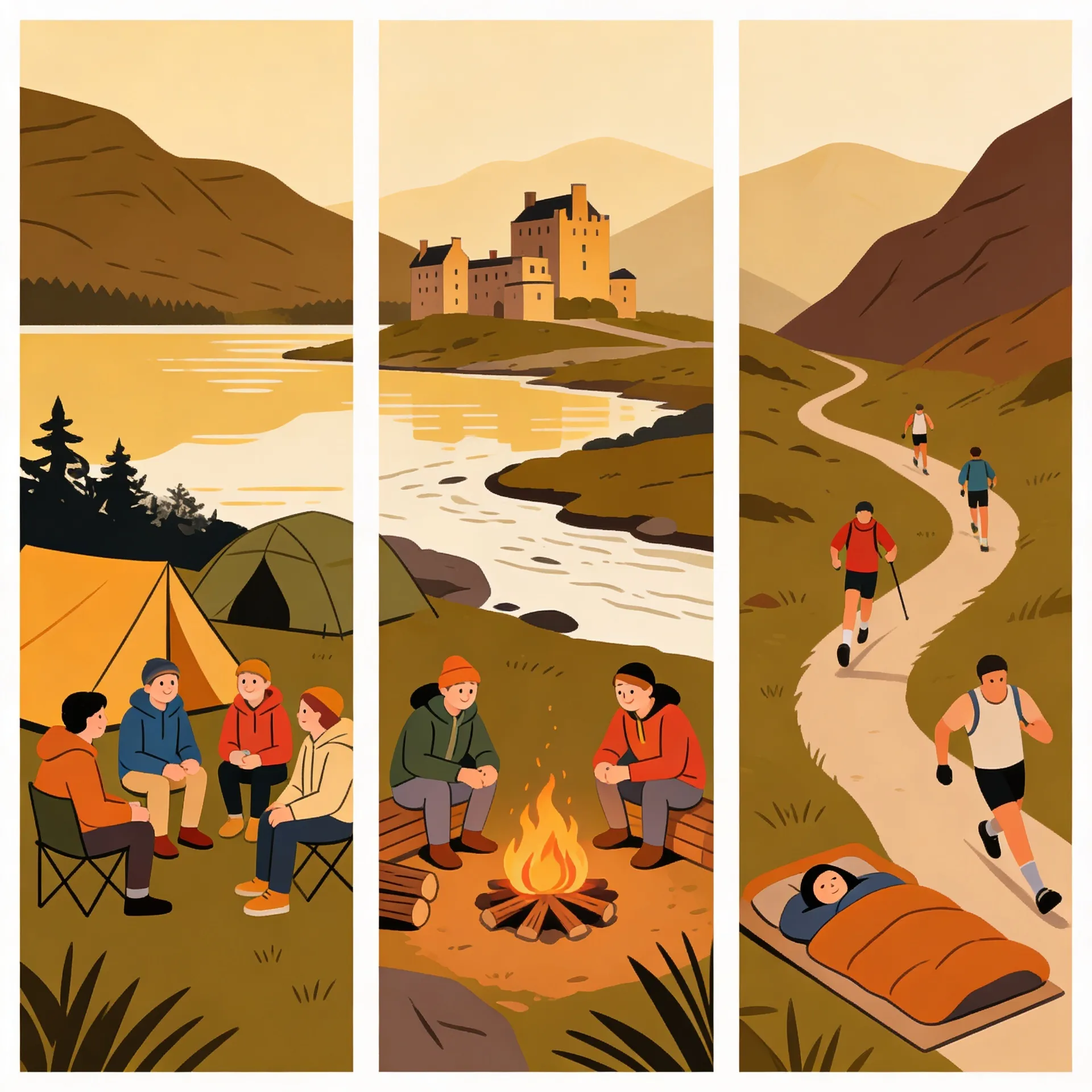
Scotland’s Highlands are brimming with historical treasures that tell the story of a region shaped by battles, clans, and ancient rituals. From prehistoric cairns to the echoes of the Jacobite rebellions, these sites are vital to understanding the identity and evolution of the Highlands. Below, we rank the ten most historically significant locations that embody key eras such as the medieval clan conflicts, Viking influence, and the transformative events of the 18th century.
History & Significance
The Scottish Highlands have witnessed some of the most dramatic chapters in the nation’s history. From the Bronze Age burial sites at Clava Cairns to the 1746 Battle of Culloden, the region has been a stage for events that reshaped both local and national identities. It is here that the Jacobites rose and fell, where clans fought fiercely for dominance, and where early settlers left behind enigmatic monuments. Each site carries its own story, whether tied to resilience, rebellion, or ritual, making the Highlands a living tapestry of Scotland’s past.
Visiting Today
1. Culloden Battlefield
Why it matters: The Battle of Culloden in 1746 was the final confrontation of the Jacobite uprising, marking the end of Highland clan independence and leading to the infamous Highland Clearances. This site is a memorial to the fallen clansmen and a pivotal reminder of Scotland’s turbulent history.
Visiting: Managed by the National Trust for Scotland, Culloden offers a comprehensive visitor centre with exhibits detailing the battle and its aftermath. Battlefield trails and clan memorials provide a solemn yet immersive experience. Open year-round, tickets cost £14 for adults. Guided tours are highly recommended to grasp the full historical context. For further insights, visit our Culloden guide.
2. Glenfinnan
Why it matters: The Glenfinnan Monument commemorates the raising of the Jacobite standard by Bonnie Prince Charlie in 1745, while the nearby viaduct has become an iconic landmark. These locations symbolise the hopes and eventual failure of the Stuart restoration.
Visiting: The monument is operated by the National Trust, with breathtaking views over Loch Shiel. The viaduct, popularised by Harry Potter films, can be explored via walking trails and seasonal steam train rides. Monument entry costs £4. Learn more in our Glenfinnan guide.
3. Urquhart Castle
Why it matters: Perched on the shores of Loch Ness, Urquhart Castle played a central role in Scotland’s medieval clan conflicts and the Wars of Independence. It was ultimately destroyed to prevent its use by Jacobite forces.
Visiting: Operated by Historic Environment Scotland, visitors can explore the ruins, including the Great Hall and tower, with stunning views of Loch Ness. Tickets are £13 for adults, and audio guides enhance the experience. See more in our Urquhart Castle guide.
4. Clava Cairns
Why it matters: These Bronze Age burial chambers date back over 4,000 years and are linked to Pictish rituals. They also served as inspiration for the fictional Craigh na Dun in the *Outlander* series.
Visiting: Free to access, the cairns are located a short drive from Culloden. The site provides a tranquil experience, but it has no facilities, so plan accordingly. Sturdy footwear is recommended for walking paths. For detailed information, explore our Clava Cairns guide.
5. Eilean Donan Castle
Why it matters: This picturesque fortress, rebuilt after its destruction in the 1719 Jacobite uprising, is one of Scotland’s most iconic landmarks. It symbolises the resilience of Highland clans such as the Mackenzies and MacRaes.
Visiting: Open daily, the castle features exhibits on clan history and stunning interiors. Tickets cost £12 for adults. Its photogenic setting makes it a favourite for visitors. Combine your visit with a trip to the Isle of Skye.
6. Glencoe Massacre Site
Why it matters: The infamous 1692 massacre of the MacDonald clan remains a dark chapter in Scottish history. The betrayal and slaughter of the clan left lasting grievances and became a rallying cry for Jacobite patriotism.
Visiting: Located within the dramatic Glencoe National Nature Reserve, trails lead to the massacre site and offer panoramic views of the surrounding glen. Entry is free, but the visitor centre operates seasonally. Prepare for variable weather.
7. Sueno’s Stone
Why it matters: This towering 10th-century Pictish cross-slab is the largest of its kind in Scotland. Its intricate carvings depict battles and biblical scenes, bridging the transition from pagan to Christian traditions.
Visiting: Found near Forres, the stone is protected by a glass shelter with interpretive signage. Access is free, and the site is open year-round. For more, read our Sueno’s Stone guide.
8. Inverlochy Castle
Why it matters: Built in 1275 by Clan Comyn, this fortress was the site of the 1431 Battle of Inverlochy. It is among Scotland’s oldest surviving castles and a testament to medieval clan power struggles.
Visiting: The ruins are freely accessible and offer a fascinating glimpse into medieval fortifications. Pair your visit with nearby Ben Nevis hikes for a full day of exploration.
9. Glen Shiel Battlefield
Why it matters: The 1719 battle marked the last foreign invasion of Britain, with Jacobite and Spanish forces defeated by government troops. It underscores the fragility of Jacobite alliances.
Visiting: Located along the A87, interpretive signs detail the historical significance of this remote glen. Entry is free, and the surrounding mountains are ideal for hiking.
10. Battle of the Spoiling Dyke Site
Why it matters: In 1598, the MacDonald and Campbell clans clashed here, exemplifying the violent feuds that defined Highland clan politics during James VI’s reign.
Visiting: This unmarked site requires some research and navigation, but its remote location offers a quiet yet meaningful historical experience. Combine with a visit to Glencoe.
Key Takeaways
- The Scottish Highlands are home to sites reflecting prehistoric, medieval, and Jacobite history.
- Culloden Battlefield is the most important site for understanding Jacobite culture and its decline.
- Iconic castles like Urquhart Castle and Eilean Donan showcase clan resilience and medieval architecture.
- Prehistoric monuments such as Clava Cairns and Sueno’s Stone highlight early Highland societies.
- Plan ahead for weather and walking conditions, especially for remote battlefield and cairn sites.
Frequently Asked Questions
What is the most historically important site in the Highlands?
Culloden Battlefield is widely regarded as the most historically significant site in the Highlands. It was the location of the decisive 1746 battle that ended the Jacobite uprisings and triggered transformative changes in Highland culture.
How many significant sites can I see in a week?
With careful planning, visitors can comfortably explore six to eight major sites. Focus on Culloden, Glenfinnan, Urquhart Castle, and Clava Cairns for a mix of history and accessibility, while adding remote locations like Inverlochy Castle and Glen Shiel for a deeper dive into Highland heritage.
Share this story
Enjoyed this read? Share it with fellow travellers on Facebook, X (Twitter), LinkedIn, or send the link to a friend.